





Tunisia's 2027 Budget Plan Includes Reduced Tariffs on Solar Panels
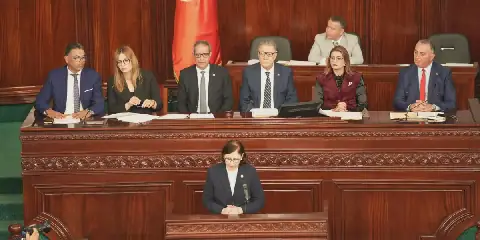
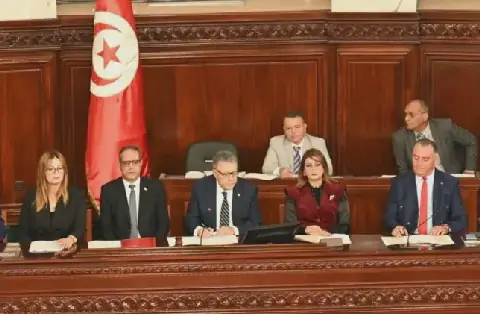
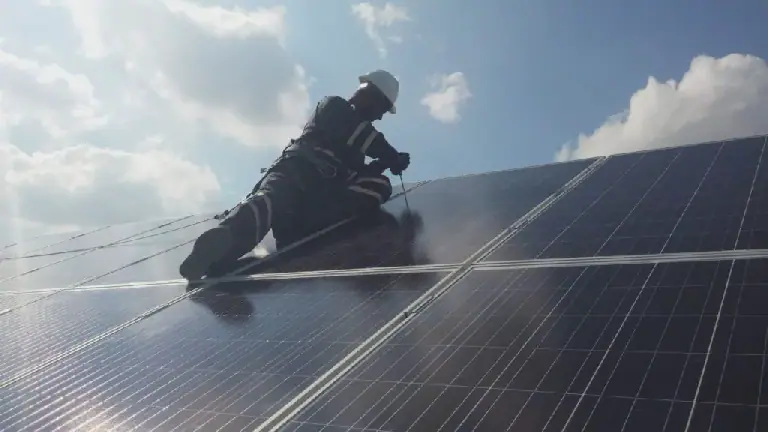
Tunisia plans to reduce tariffs on solar panel imports to 10% as part of its 2027 budget plan, announced by Prime Minister Sarra Zaâfrani Zenzri.
North Africa
Everything SaharaWire has filed out of Tunisia: public affairs, business, technology and culture, in one continuously updated archive.
Elsewhere in North Africa
Tunisia plans to reduce tariffs on solar panel imports to 10% as part of its 2027 budget plan, announced by Prime Minister Sarra Zaâfrani Zenzri.

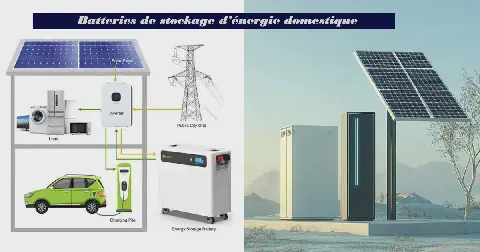
Tunisia plans to cut import duties on batteries, a move that could benefit consumers but threatens the country's local industry.
Tunisia's Ministry of Higher Education and Scientific Research has relaunched efforts to revise the special status of university professors.
Tunisian Prime Minister Sara Al-Zafrani Al-Zanzeri vows to tackle soaring prices and monopolies using all legal means.
Tunisia's economy is forecast to grow 2.7% in 2026, driven by improved indicators, but faces challenges from a widening current deficit and rising energy import costs.
Tunisia's 2027 budget presents two different figures: 68.895 billion and 82.402 billion dinars. The discrepancy arises from how debt repayment and treasury operations are accounted for.
Tunisia's government presents 2027 budget plan with a deficit of 14.6 billion dinars and expected growth of 3.1%.
Tunisia's government, led by Sarra Zaafrani Zenzri, is pushing for an administrative revolution to modernize public services and improve performance.
The 14th National Kidney Disease Conference kicks off in Sousse, Tunisia, from November 19 to 21, 2026, to discuss medical challenges and promote scientific research.
Tunisian Parliament Speaker Ibrahim Boudarbala emphasizes the importance of establishing a social state, promoting investment, and implementing structural reforms.
Tunisian lawmaker Essam Chouchane says 2027 budget plan lacks clear strategy to reduce energy deficit
Economist Mohamed Kou criticizes Tunisia's 2027 budget plan, citing large gaps between reality and proposed projections.