Tunisian Prime Minister Sara Al-Zafrani Al-Zanzeri has announced that her government will take all necessary legal measures to combat the unprecedented rise in prices, particularly of agricultural products. The move aims to protect consumers and small farmers from exploitation by middlemen who take advantage of them. Al-Zanzeri emphasized that citizens should feel the impact of government actions in their daily lives, especially in terms of purchasing power.
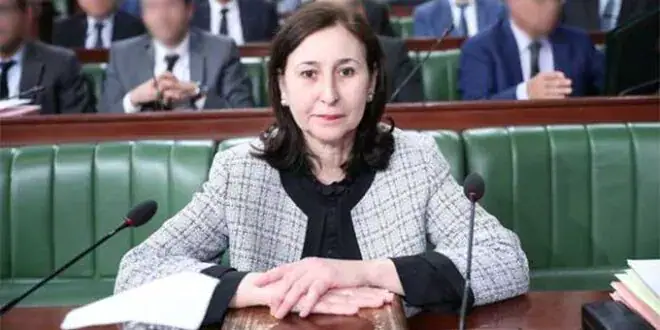
The Prime Minister stressed that safeguarding purchasing power is a vital component of national security. She highlighted that ensuring food, water, energy, and medicine security remains a top priority for the government, along with improving essential services, providing decent jobs, and enhancing living standards. Al-Zanzeri's statements came during a parliamentary session where she presented the government's policy statement.
Al-Zanzeri revealed that the government plans to expand the tax base and improve the efficiency of the tax system in 2027. The goal is to reduce the tax burden on small businesses while simplifying their tax obligations. The 2027 finance bill includes measures to support the right to access information for tax authorities, helping to prevent tax evasion and integrate the informal sector.
The Prime Minister outlined that the 2027 finance bill also aims to gradually integrate the informal sector into the organized economy. This will be achieved by providing facilitated tax frameworks to attract informal sector operators. The plan involves promoting electronic payment methods, digitizing tax services, and streamlining tax transactions.
Al-Zanzeri acknowledged that the government's achievements were made despite significant challenges, both domestically and internationally. She noted that the legacy of past policies has left many public institutions and enterprises in a difficult state. The Prime Minister emphasized that rescuing and structurally reforming these entities require substantial funding and time.
The Prime Minister called for a "thought revolution" to continue reforms with a new vision focused on work, discipline, production, and anti-corruption efforts. She emphasized that Tunisia will continue to build its future based on national choices, independent of external dictates or interference in its internal affairs.
Al-Zanzeri asserted that Tunisia rejects external tutelage and instead engages on an equal footing with other nations. She emphasized that the country will not accept a subordinate role and will not be dictated to. The Prime Minister's statements reflect the government's commitment to addressing pressing economic issues and promoting national sovereignty.
Key points
- The Tunisian government aims to tackle soaring prices and monopolies using all legal means.
- The government plans to expand the tax base and improve tax efficiency in 2027.
- Tunisia will continue to build its future based on national choices, independent of external interference.