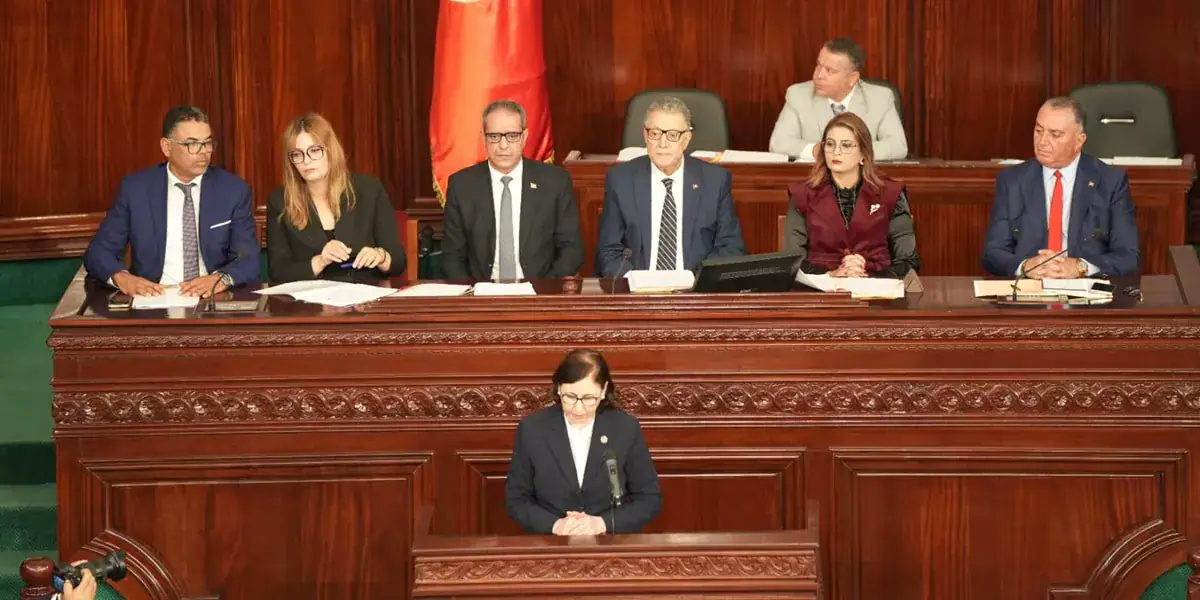
Tunisia's economy is expected to grow 2.7% in 2026, according to forecasts presented by Prime Minister Sarra Zaâfrani Zenzri to parliament. This growth follows a 2.4% increase in the first half of 2026. Despite facing internal and external pressures, the economy has shown resilience. The government's budget plans for 2027 aim to sustain this recovery. Several economic indicators have improved, but external imbalances persist.
Improved economic indicators include a decrease in the unemployment rate to 14.9% in the second quarter from 15% in the first quarter. Inflation has also decreased, with a cumulative rate of 5.3% by the end of September, down from 5.5% in the same period of 2025. The underlying inflation rate remained stable at 4.9%. These improvements suggest a gradual recovery, but challenges remain.
Export growth has been a positive factor, with an 8% increase by the end of August, driven by refined energy products, agricultural and agri-food products, and mechanical and electrical industries. Tourism revenues have also risen, reaching nearly 6.3 billion dinars by September 30, a 4.5% increase. Additionally, transfers from Tunisians living abroad have grown by 5% to approximately 6.9 billion dinars.
Despite these positive trends, external imbalances remain a concern. The current deficit is expected to widen to 3.9% of GDP in 2026, up from 2.5% in 2025. This increase is largely due to higher energy import costs and ongoing commercial pressures. The government's forecasts indicate that the investment rate will reach 15.5% of GDP, slightly up from 15.4% the previous year.
Prime Minister Sarra Zaâfrani Zenzri highlighted the challenges posed by the international environment, including geopolitical tensions, fluctuating hydrocarbon and raw material prices, and supply chain disruptions. Climate and water constraints, along with increased energy demand during summer heatwaves, have further complicated the economic outlook.
The government's economic plans are based on careful consideration of these factors. The prime minister noted that foreign exchange reserves stood at the equivalent of 93 days of imports as of October 23. The dinar has generally maintained its stability against major currencies up to the end of September. These factors will be crucial in navigating the economic challenges ahead.
Overall, Tunisia's economy is expected to continue its recovery in 2026, driven by improved indicators and resilience in the face of challenges. However, addressing external imbalances and managing the impact of global economic trends will be essential for sustaining growth. The government's budget plans for 2027 will be critical in this regard.
Key points
- Tunisia's economy is forecast to grow 2.7% in 2026.
- The current deficit is expected to widen to 3.9% of GDP in 2026.
- Improved economic indicators include decreased unemployment and inflation rates.