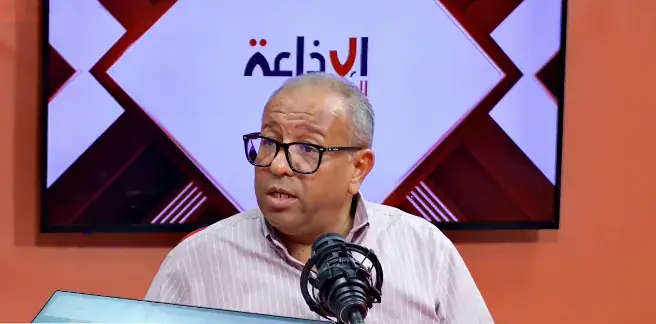
Tunisian economist Mohamed Kou has expressed concerns over the country's 2027 budget plan, stating that there is a significant gap between the actual situation and the proposed projections. In a statement on November 9, 2026, Kou criticized some aspects of the plan, particularly regarding the growth rate, unemployment, and inflation. He emphasized the need for a more realistic approach in presenting assumptions.
Kou's comments were made during a live broadcast on Radio Tunis, where he highlighted the need for a more cautious and realistic approach in presenting economic assumptions. He questioned how the country plans to bridge the gaps between the current reality and the proposed projections. Kou stressed that the assumptions presented in the budget plan are influenced by global geopolitical situations.
The economist also expressed concerns about the current state of Tunisia's economy, describing it as fragile and depleted. He noted that the economy has suffered from a decline in the country's purchasing power. Kou called for a shift from a mere survival strategy to a more comprehensive plan aimed at reviving the economy and transforming the economic landscape in Tunisia.
Kou's criticism of the budget plan is not isolated, as other experts have also raised concerns about the country's economic situation. For instance, economist Essam Shoushan recently stated that there is no clear strategy to address the energy deficit in the 2027 budget plan. These concerns highlight the challenges facing Tunisia's economy and the need for a more effective and comprehensive plan.
Despite these challenges, Tunisia's economy has shown some positive signs. According to recent data, the country has exported 399.3 thousand tons of olive oil to over 97 countries as of September 2026. This represents a significant achievement for the country's agricultural sector.
The Tunisian government has also provided an update on the country's economic indicators for 2026. The Prime Minister presented the main economic indicators, highlighting the country's efforts to address economic challenges. However, Kou's comments suggest that more needs to be done to address the country's economic woes.
The registration process for the "Siziam" competition is set to begin on November 10, 2026. This competition is expected to attract many participants, and its outcome may have implications for the country's economic development. As Tunisia navigates its economic challenges, the government's budget plan and economic strategies will be closely watched by experts and citizens alike.
Key points
- Mohamed Kou criticizes Tunisia's 2027 budget plan for its unrealistic projections.
Reporting sources
- Radio Tunis · Radio Tunis