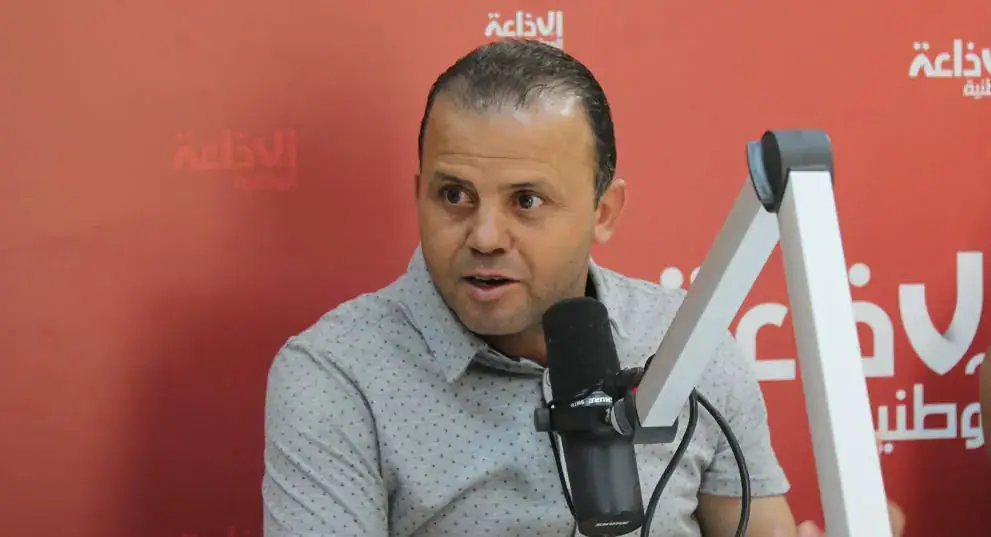
Tunisian lawmaker Essam Chouchane has expressed concerns over the 2027 budget plan, citing a lack of clear strategy to reduce the country's energy deficit. In a statement on November 9, 2026, Chouchane, a member of the Finance Committee in the Chamber of Deputies, presented an initial reading of the 2027 budget plan. He noted that the assumptions presented in the plan are unclear and do not provide a clear explanation of how the state intends to ensure food and energy security.
Chouchane's comments come after Prime Minister Sarah El-Zafrani El-Znari outlined the government's key priorities for the 2027 budget plan. The lawmaker criticized the plan for failing to provide practical solutions to combat the parallel economy, neither through digitalization nor through mechanisms. He also expressed concerns that the plan does not provide a clear strategy to address the energy deficit.
The 2027 budget plan has been met with skepticism by some lawmakers and experts, who argue that it does not accurately reflect the country's economic realities. Chouchane's comments are echoed by those of Mohamed Al-Kaw, who noted that there is a significant gap between the reality on the ground and the projections presented in the budget plan.
The Tunisian government has been working to address the country's economic challenges, including a significant energy deficit. The country's energy sector has been under strain, with imports of energy products placing a significant burden on the state's finances. The government has been exploring ways to reduce the deficit, including increasing energy production and promoting energy efficiency.
Chouchane's criticism of the 2027 budget plan highlights the challenges facing the Tunisian government in addressing the country's economic challenges. The government must balance the need to reduce the energy deficit with the need to promote economic growth and ensure food and energy security. The budget plan is expected to be debated in the coming weeks, with lawmakers pushing for greater clarity and transparency.
The Tunisian economy has been facing significant challenges in recent years, including a decline in economic growth and a rise in unemployment. The government has been working to implement reforms to address these challenges, including measures to promote private sector growth and improve the business climate.
The 2027 budget plan is a critical document that will shape the country's economic trajectory for the coming year. Lawmakers and experts will be closely watching the plan's implementation, with a focus on ensuring that it addresses the country's key economic challenges, including the energy deficit.
Key points
- Essam Chouchane criticizes 2027 budget plan for lack of clear strategy to reduce energy deficit.