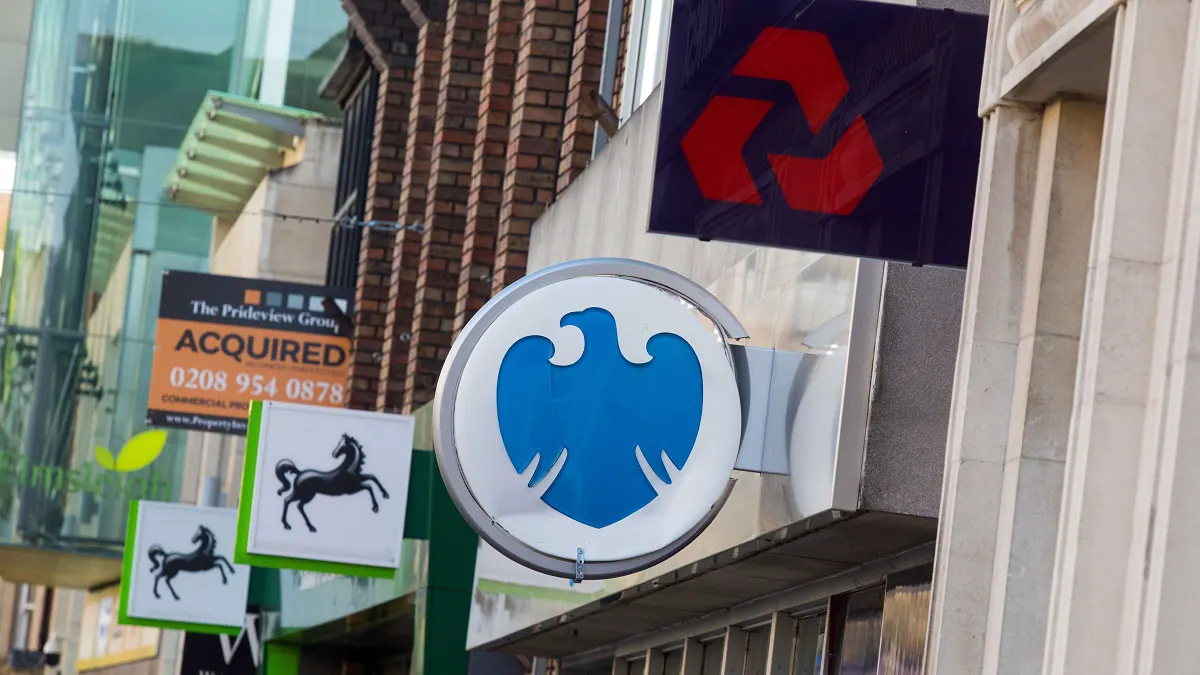
British banks have successfully tested a new system to address the 'pay first' problem in online shopping. The system, known as tokenised deposits, uses digital representations of commercial bank deposits that can execute payments when specified conditions are satisfied. In a simulated marketplace purchase, funds were locked in the buyer's account and released to the seller when the delivery condition was met. This test was conducted by a group of banks, including Barclays, Lloyds, and NatWest.
The tokenised deposit system aims to provide assurance for both buyers and sellers in online transactions. By locking funds in the buyer's account until delivery confirmation is received, the system ensures that payment is released only when the goods are delivered as agreed. This approach has the potential to reduce fraud and increase customer confidence in online shopping. According to UK Finance, the system retains conventional bank money's regulatory protections.
The pilot project involved real money moving between accounts, although no goods changed hands. The test was conducted in a simulated marketplace, which leaves some aspects of the system untested. One of the challenges that remains to be addressed is disputed deliveries, where the buyer and seller may have different accounts of the transaction. For example, if a courier marks a package as delivered but the buyer claims it contains the wrong product, the system will need to have clear rules for resolving such disputes.
The UK banking pilot is part of a larger initiative to explore the use of tokenised deposits in financial transactions. Participants plan to establish a governing entity and rulebook before moving into full production. The system is expected to be used for trading and settlement of digital bonds, with three such bonds planned for the first quarter of 2027. This development has implications for Nigerian banks and payment providers, who may be considering similar systems.
One of the key challenges in implementing the tokenised deposit system is ensuring that the rules governing evidence, inspection periods, and disputes are clear and effective. If the system is to be used in Nigeria, for example, it will need to take into account local laws and regulations regarding online transactions. Additionally, the system will need to be able to handle disputed deliveries and other issues that may arise.
The tokenised deposit system has the potential to increase efficiency and reduce costs in online transactions. By automating the payment process and reducing the need for intermediaries, the system can make transactions faster and cheaper. However, it also raises questions about the role of banks and other financial institutions in the payment process. As the system develops, it will be important to consider these issues and ensure that the benefits of the system are shared fairly among all parties.
The development of the tokenised deposit system is a significant step forward in the evolution of online payments. As the system is tested and refined, it is likely to have implications for online shopping and other financial transactions. Key points include:
Key points
- The system uses digital representations of commercial bank deposits that can execute payments when specified conditions are satisfied.
- The system has the potential to reduce fraud and increase customer confidence in online shopping.
- The system will need to have clear rules for resolving disputed deliveries and other issues that may arise.