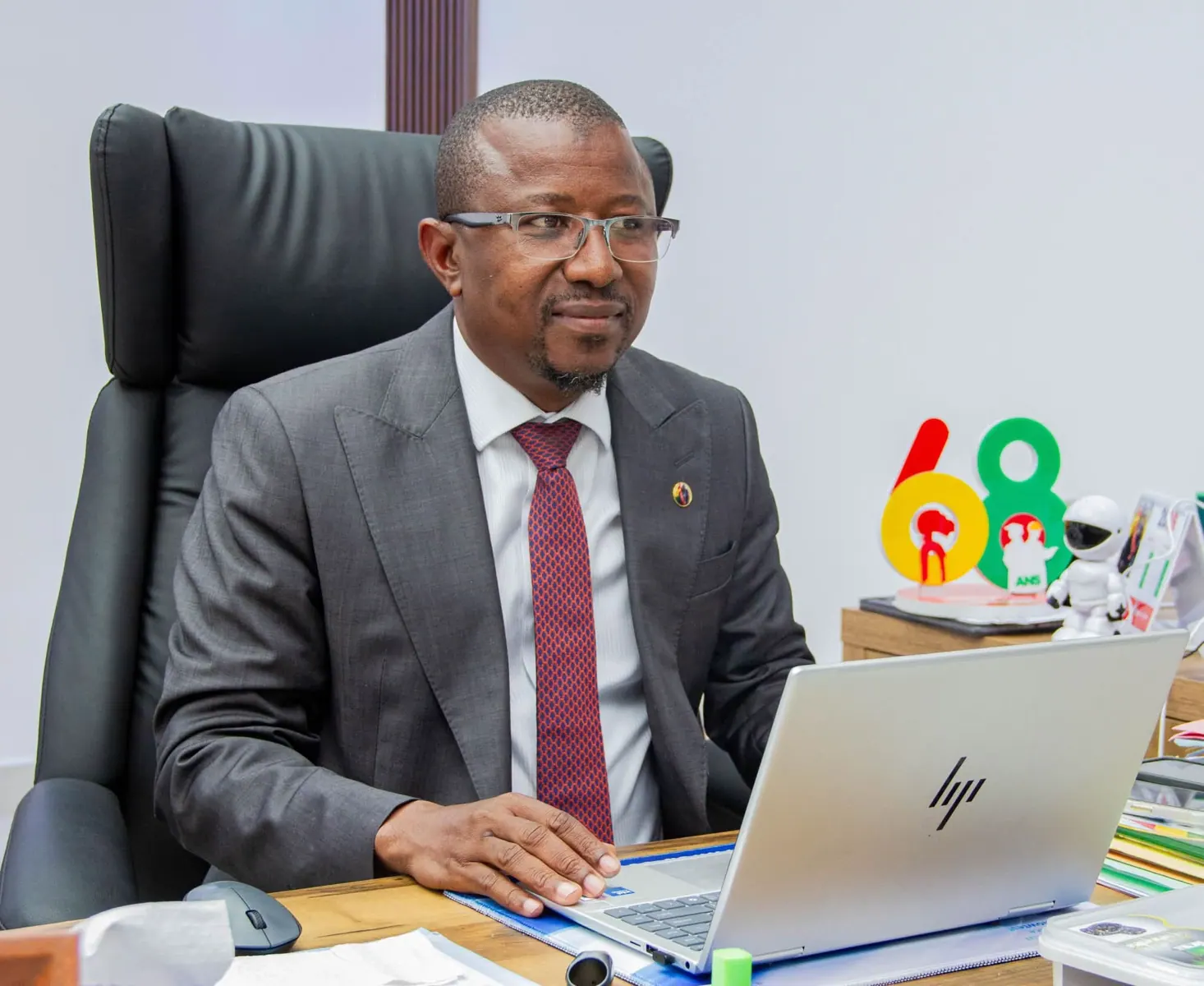
Guinean Minister of Urbanism, Housing, and Territorial Planning, Lamine Sy Savané, recently participated in the United Nations General Assembly in New York. During his address, he stressed the importance of urban resilience, climate adaptation, and reducing territorial inequalities. Minister Savané emphasized that governing effectively means refusing to let poverty condemn certain populations to suffer from perils that others can protect themselves from.
Minister Savané highlighted the critical role of resilience in urban governance, particularly for countries undergoing significant economic and territorial transformations. He questioned how countries can drive economic transformation without increasing their vulnerability to climate change and territorial inequalities. According to him, adaptation must be integrated into territorial planning, investment allocation, and housing access.
The Minister underscored the need for action in both urban areas already exposed to risks and new urbanization spaces. He warned that today's decisions on land use and infrastructure will determine the exposure to risk for several generations. Minister Savané emphasized the strategic challenge of reducing vulnerability in existing neighborhoods and preventing its reproduction in new urban areas.
Minister Savané linked the challenges of resilience to the territorial transformations expected under the Simandou 2040 program, aligned with President Mamadi Doumbouya's vision. He expressed Guinea's ambition to articulate investments with preventive urban planning, ensuring that wealth creation is accompanied by inclusive and resilient territorial development.
The Minister praised Kenya's leadership in implementing the Building Climate Resilience for Urban Poor (BCRUP) program. He advocated for a cooperative approach aligned with national priorities, involving states and local governments. This approach should include a coherent chain from risk assessment to investment preparation, financing, and maintenance.
Minister Savané called for a financial architecture that recognizes the economic value of prevention. He argued that avoided losses, protected livelihoods, and continued services constitute collective benefits that justify mobilizing subsidies and concessional resources. The Minister proposed that the BCRUP structure cooperation around national investment portfolios with a financing calendar, precise institutional responsibilities, and common indicators.
The Guinean Minister concluded by emphasizing the importance of measuring cooperation success by its ability to sustainably transform people's living conditions. He expressed Guinea's ambition to make resilience a principle of planning, investment discipline, and a result obligation, which the country aims to pursue with its partners.
Key points
- Minister Lamine Sy Savané emphasizes the importance of integrating adaptation into territorial planning to address climate change and territorial inequalities.
- The Minister advocates for a cooperative approach to building climate resilience, involving states and local governments.
- Guinea proposes structuring cooperation around national investment portfolios with a financing calendar and precise institutional responsibilities.