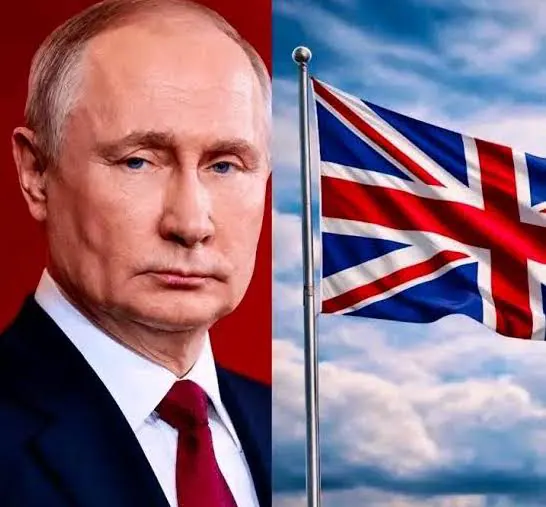
The United Kingdom has advised households to keep stocks of food and drinking water at home in preparation for severe national disruption, including the possibility of war, cyberattacks, and extreme weather. This advice is part of a wider national resilience campaign to ensure households can cope during major emergencies. The campaign comes amid mounting concerns across Europe over Russia's confrontation with the West.
The UK government has also begun work on a new version of its so-called "war book", a contingency planning document that had not been substantially updated for decades. This move is part of a broader effort to enhance national preparedness. Poland's Prime Minister, Donald Tusk, has warned that Russia may test NATO with "accidental" drone and missile strikes, citing intelligence from NATO allies, Ukraine, and Polish sources.
Germany's defence leadership has called for a faster expansion of the country's armed forces in response to the perceived Russian threat. They allege that Moscow is increasing its military capacity and using hybrid methods to destabilize Western societies. Although the British government did not say that war with Russia was imminent, the preparation for emergencies was due to serious warnings from European officials about Russian military activity.
Britain's Chief of the Defence Staff, Sir Richard Knighton, described the current security environment as the "most dangerous" period of his 35-year military career. The UK government's preparedness campaign is designed to cover a range of emergencies, not war alone. However, explicitly including conflict, alongside cyberattacks and hostile-state activity, brought renewed public attention to the possibility that Britain could be affected by a wider European conflict.
Western intelligence officials have warned that Russia could be laying administrative groundwork for a new troop mobilisation following its parliamentary elections. Ukrainian President Volodymyr Zelenskyy claimed that Russia could seek to add hundreds of thousands of troops to its military after the election. Russian President Vladimir Putin dismissed speculation about a new mobilisation as "nonsense".
The concerns have been compounded by a series of alleged Russian-linked cyber, sabotage, and other hybrid operations across Europe. In Poland, Prime Minister Donald Tusk told lawmakers that intelligence from NATO allies indicated that Russia could attempt hybrid drone and missile attacks against countries supporting Ukraine. This has heightened concerns about the potential for conflict.
The UK's advice to households to stockpile food and water is a precautionary measure to ensure national resilience in the face of potential disruptions. Key points include:
Key points
- The UK advises households to stockpile food and water for emergencies.
- European officials warn of potential Russian military activity and hybrid operations.
- Germany calls for faster expansion of its armed forces amid Russian threat.