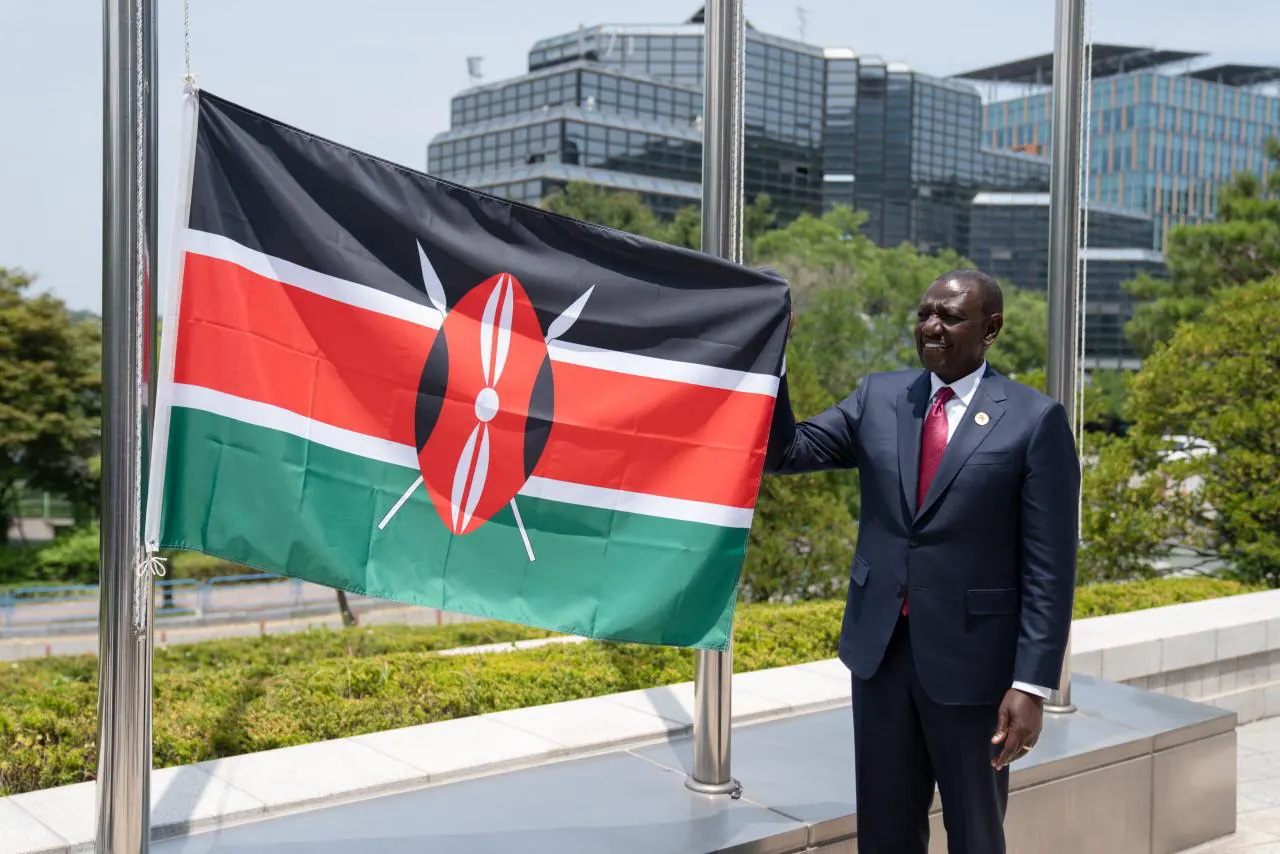
Kenya has dropped to 132nd in the 2026 Global Peace Index, a decline of five places from its 127th position in 2025. The country's peace score also worsened, rising from 2.392 to 2.447. This places Kenya 33rd out of 44 countries in sub-Saharan Africa. The Institute for Economics and Peace, which prepares the index, notes that Kenya's deterioration in peace is part of a broader regional trend.
The Horn of Africa is experiencing increasingly interconnected conflicts, with the Institute for Economics and Peace describing the region as "no longer a set of separate conflicts." The report highlights the connections between conflicts in Sudan, Ethiopia, Eritrea, Somalia, and South Sudan through refugee movements, the flow of weapons and fighters, and proxy warfare. For Kenya, the security situation in Somalia remains a major concern, particularly with AlShabaab's continued attacks across the border.
AlShabaab, an al-Qaeda-affiliated armed group based in Somalia, raises significant revenue through charcoal exports, taxation, and extortion. The group is estimated to earn between $100 million and $150 million annually, giving it a financial base to sustain its activities. Kenya's role in regional security has also led to its involvement in multiple external conflicts between 2020 and 2024. The country is listed alongside the US, Niger, France, and Chad as countries involved in eight or more external conflicts during this period.
The decline in Kenya's ranking comes as sub-Saharan Africa records worsening levels of peacefulness. The region deteriorated by 0.2 percent and remains the third least peaceful of the eight regions measured by the index. Eight countries from the region are now among the world's 20 least peaceful, compared to five in 2008. The conflict in Sudan is a significant source of instability, with over 12 million people displaced since the war began.
The Sudan conflict has affected neighboring countries through refugee movements, weapons flows, and economic disruption. Countries such as Kenya, Ethiopia, South Sudan, Uganda, and the Central African Republic are believed to have supported the Rapid Support Forces at various points. South Sudan has taken in over one million people from Sudan since the conflict started in April 2023, including South Sudanese returnees who had previously escaped their own country's conflict.
The report also notes that Ethiopia's push for independent access to the Red Sea has added to tensions involving Somalia and Eritrea. Ethiopia depends on Djibouti for about 95 percent of its international trade, making access to the Red Sea an issue with both economic and strategic importance. Kenya could feel the effects of wider disruptions to trade and supply chains, particularly given its reliance on wheat imports.
Kenya faces significant financial pressures, with $900 million in external debt maturities due in November and December 2026. The country must also navigate reviews under its International Monetary Fund programme. The combination of debt refinancing, harvest results, and IMF reviews during the second half of 2026 is described as an "unprecedented concentration of risk."
Key points
- Kenya's worsening peace position is linked to domestic and regional security concerns, conflicts across the Horn of Africa, and economic vulnerabilities.