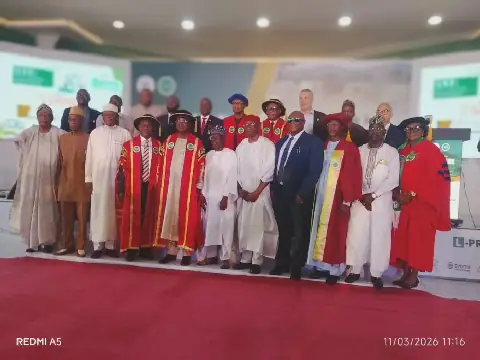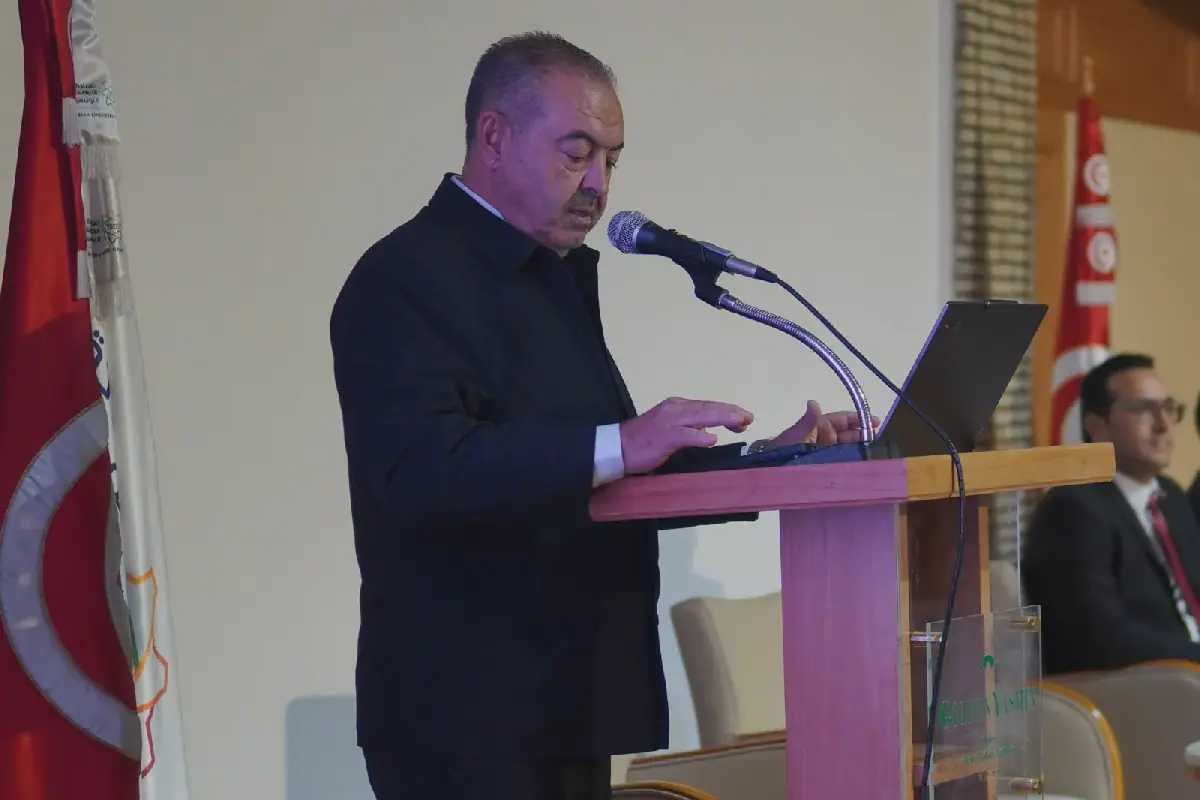
The Council of the Tunisian Order of Engineers (OIT) held its session at the Ras El Aïn hotel in Tozeur from October 30 to November 1, 2026. Under the slogan "The Engineer, Hope of Tunisia," the meeting brought together members of the Council, major voters, general secretaries of regional and sectoral sections, and representatives of the Council.
The meeting aimed to consolidate the unity of the engineering community and reflect on the profession's prospects. Participants emphasized the engineer's central role in building Tunisia's future, highlighting the country's rich skills and potential. They discussed ways to enhance the engineering profession and its contributions to national strategies.
The Council affirmed the availability of engineering skills to contribute to national strategies, particularly in addressing climate change, water security, energy transition, and sustainable development. It endorsed the recommendations of the Order's study on energy transition, considering it a concrete contribution to energy sovereignty and the valorization of renewable energies and national know-how.
On the professional front, the Council recommended completing the establishment of a quality system meeting international standards and strengthening profession protection. It decided to create a legal watchdog committee tasked with drafting a "Legal Guide to Engineering and Engineers" and monitoring the application of texts to defend the engineer's place and dignity.
The Council validated strategic orientations aimed at making the Order a strong, independent, and proactive institution. These orientations focus on financial autonomy, reforming the contribution system, settling the public sector deduction file, and better valorizing the real estate heritage. The Order also intends to encourage innovation and engineering entrepreneurship to open new investment, employment, and wealth creation perspectives.
Mohsen Gharsi, Dean of the Order, presided over the meeting, which brought together various stakeholders from the engineering community. The Council's decisions reflect a commitment to enhancing the role of engineers in Tunisia's development and addressing key national challenges.
The Council's strategic plans and recommendations are set to be implemented in the coming months, with a focus on promoting the engineering profession and contributing to Tunisia's sustainable development. The Order's efforts aim to harness the potential of Tunisian engineers to drive growth and innovation.
Key points
- The Council emphasized the importance of engineering skills in addressing national challenges such as climate change and water security.
- The Order aims to encourage innovation and entrepreneurship among engineers to create new investment and employment opportunities.
- The Council validated strategic orientations to make the Order a strong, independent, and proactive institution.