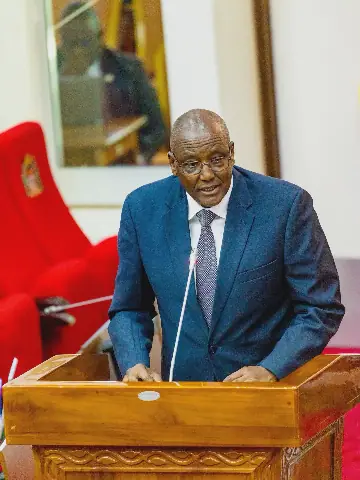
The Federal Government of Nigeria has initiated a move to put an end to the practice of transporting live animals over long distances for slaughter. This practice, according to the government, results in significant economic losses, waste of valuable livestock by-products, and denial of employment opportunities to millions of Nigerians. The Minister of Livestock Development, Idi Mukhtar Maiha, emphasized that Nigeria can no longer sustain a livestock system where animals are transported up to 1,200 kilometres to major consumption centres like Abuja and Lagos.
Maiha, speaking at the 2026 Animal Science Meeting in Abuja, called for a transition to modern livestock production, processing, and marketing systems. This, he believes, will unlock the sector's economic potential. He advocates for livestock to be processed closer to production centres, with finished products then transported to consumers. This approach aims to address the inefficiencies and losses associated with the current system, improve animal welfare, and harness valuable materials that could generate additional income.
The existing livestock transportation system has been criticized for its inefficiency and the resultant losses. Maiha pointed out that the practice leads to the waste of valuable materials such as blood, solid waste, bones, and hooves, which are currently scattered and not utilized. He warned that if Nigeria does not restructure its livestock industry, the country will continue to miss out on significant economic opportunities in areas like meat processing, dairy production, and leather manufacturing.
The Federal Government has started engaging with livestock producers and other stakeholders to facilitate this transition. Maiha disclosed that groundbreaking ceremonies have been conducted for two projects in Plateau and Edo states. He also urged researchers and animal scientists to focus on translating scientific discoveries into practical solutions for farmers, particularly in addressing challenges such as high feed costs, low productivity, and disease outbreaks.
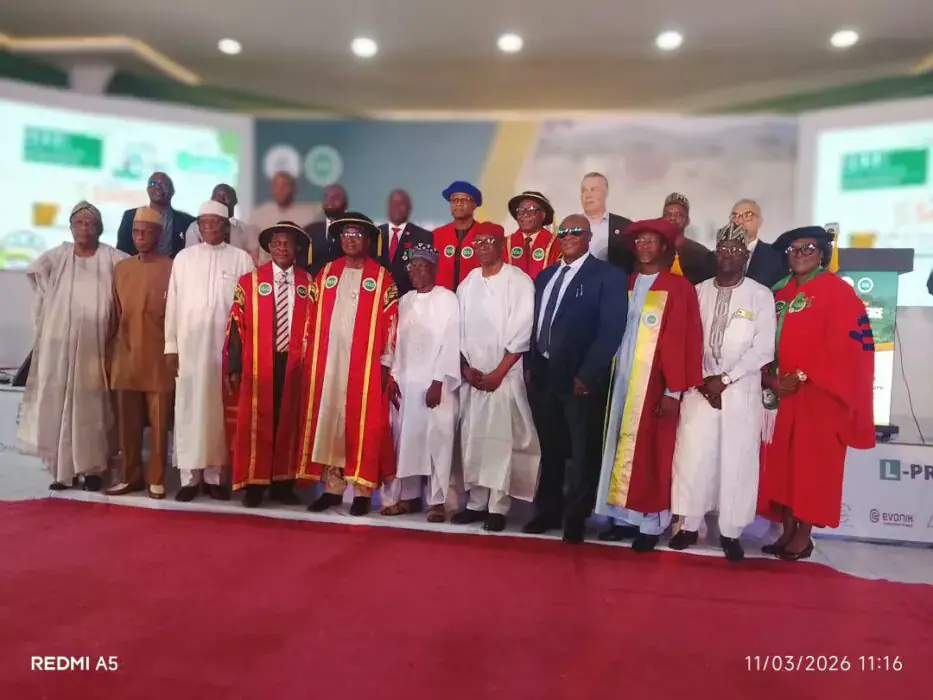
The President of the Nigerian Institute of Animal Science (NIAS), Simeon A. Ohwofa, highlighted the importance of repositioning livestock as a major contributor to national economic growth. He noted that animal agriculture can create an integrated value chain that connects farmers, processors, manufacturers, and exporters, thereby generating employment, wealth, and industrial development. Ohwofa emphasized that the conference theme reflects the need for innovation in animal agriculture as a catalyst for Nigeria's non-oil economic development.
Ohwofa identified key areas of focus for the conference, including feed and fodder production, value-chain development, entrepreneurship, digital technologies, innovation, policy, and institutional frameworks. He stressed the need for stronger policies and institutional support to sustain investments in animal agriculture over the long term. This, he believes, will ensure that the sector's potential for employment and wealth generation is fully realized.
The move to end long-distance livestock transportation and modernize the livestock industry is seen as a step towards harnessing Nigeria's agricultural potential. With the right policies and institutional support, the sector could become a significant contributor to the country's economic growth. The government's efforts to engage stakeholders and implement new projects are expected to pave the way for a more efficient and productive livestock industry.
Key points
- The Federal Government aims to end long-distance livestock transportation to reduce economic losses and improve animal welfare.
- The government is promoting a transition to modern livestock production, processing, and marketing systems.
- The Nigerian Institute of Animal Science emphasizes the need for innovation in animal agriculture to drive non-oil economic development.