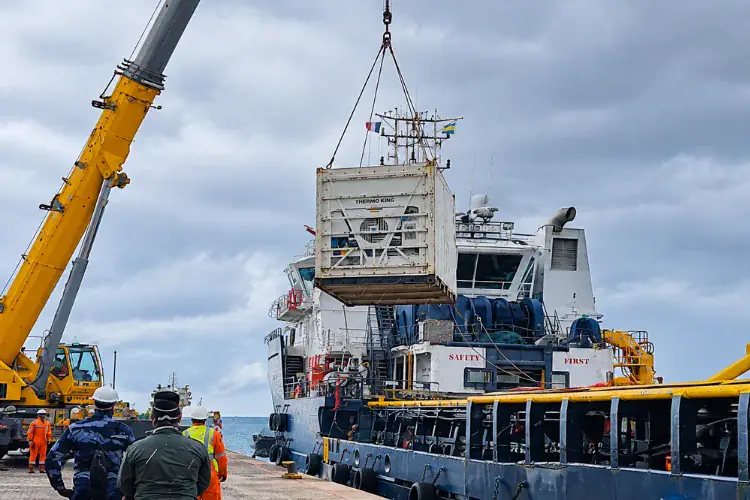
A somber mood has gripped Gabon, particularly Port-Gentil, following the recent accident involving the Prospector 5 offshore platform located approximately 60 kilometers off the coast of Mayumba. The incident resulted in multiple fatalities, with the remains of the victims being returned to their families. As the nation grapples with the emotional aftermath, there is a growing emphasis on determining the cause of the accident and ensuring that those affected receive the necessary support.
Authorities have initiated a technical and judicial investigation into the accident, which is expected to scrutinize various factors, including data from the platform, recordings, weather conditions, and the state of the seabed. Experts stress that a thorough examination of these elements will be crucial in establishing the cause of the incident. According to initial reports, the accident may have been triggered by the collapse of one of the platform's supports during pre-loading operations.
In addition to establishing the cause of the accident, there is an urgent need for the fair and transparent compensation of the families of the victims, regardless of their nationality or status. The Gabonese government has been urged to ensure that the support provided to the families is equitable and comprehensive. This effort aims to address the immediate needs of those affected and provide a measure of solace during this difficult period.
The accident has also raised significant environmental concerns, with approximately 280 cubic meters of gasoil reported to be trapped within the wreckage. This has sparked fears of potential pollution in a sensitive marine area known for turtle breeding. Specialists have emphasized the need for a well-planned and closely monitored cleanup operation to mitigate the potential environmental impact.
Beyond the immediate response, there is a growing recognition of the need for a more comprehensive approach to enhancing safety measures for offshore operations in Gabon. This includes revising and strengthening regulations governing the use of jack-up platforms along the Atlantic coast. Industry experts are advocating for more stringent safety protocols, including more extensive geotechnical studies before pre-loading operations and stricter guidelines for nighttime operations or those conducted in rough seas.
The incident has prompted calls for more robust safety measures, including the potential deployment of standby rescue vessels during offshore operations. There is also a suggestion that certain operations may need to be restricted or prohibited under specific conditions, such as during nighttime or in high seas. These proposed measures aim to minimize the risk of similar accidents occurring in the future.
As the investigation continues and the nation mourns, there is a clear recognition of the importance of balancing economic activities with the imperative of protecting human life and the environment. The Gabonese government faces the challenge of ensuring that the country's offshore oil and gas sector can operate safely and sustainably, without exposing workers to undue risks. The outcome of the investigation and the implementation of enhanced safety measures will be closely watched, both domestically and internationally.
Key points
- Authorities have initiated a technical and judicial investigation into the accident.
- There is an urgent need for the fair and transparent compensation of the families of the victims.
- The incident has raised significant environmental concerns, with approximately 280 cubic meters of gasoil reported to be trapped within the wreckage.