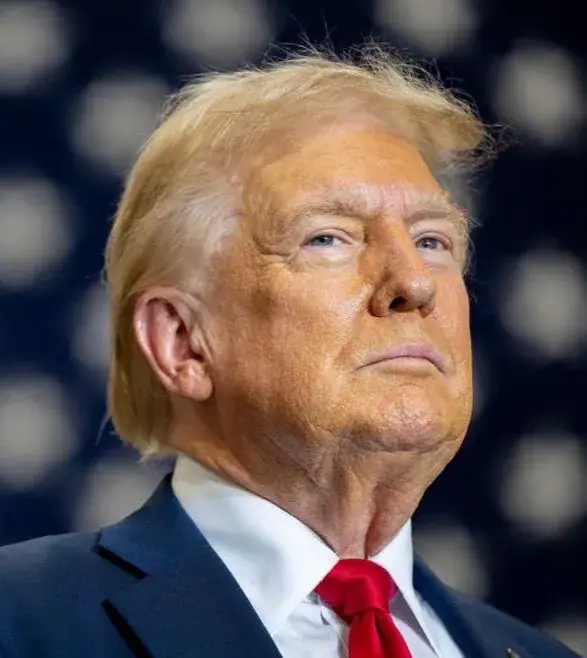
US President Donald Trump has congratulated Democrats on their victories in the 2018 midterm elections but dismissed suggestions that the results represent a rejection of his leadership. In a statement, Trump acknowledged the Democratic Party's strong performance and commended them on their efforts. He emphasized that the outcome should not be interpreted as a personal setback. Trump's remarks come after Democrats recorded significant gains in the House of Representatives and Senate.
The Democratic Party's strong performance in the midterm elections was marked by victories in traditionally Republican strongholds, including Texas, Ohio, and South Carolina. The party defeated Republican candidates in key Senate races and made significant gains in the House of Representatives, flipping several Republican-held seats. These results represent a major political challenge for Trump, whose Republican Party had entered the midterm elections controlling both the Senate and House.
According to exit polls conducted for a consortium of US media organisations, half of voters viewed the elections as an opportunity to rebuke Trump, while three-quarters expressed anger or dissatisfaction with the direction of the country. The Democratic gains have been widely linked to voter dissatisfaction with the economy, rising living costs, and Trump's decision to launch military action against Iran in February. This military action contributed to a sharp increase in petrol prices.
Despite the Democratic gains, Trump insisted that his administration had recorded unprecedented achievements during its first two years in office. He stated that he believed his administration had "done ... We've had the greatest two years in the history of the presidency." Trump also emphasized that the Democrats had been working towards these electoral gains for 11 years.
In response to the midterm election results, Trump has signalled his readiness for a potentially hostile relationship with a Democratic-controlled Congress. In an interview with Fox News presenter Bret Baier, the president vowed to use his constitutional veto powers to block legislation he considers unacceptable. Trump stated that he would veto bills that he deemed "insane" and was prepared to reject legislation until both parties found common ground.
Under the US Constitution, the president can veto legislation passed by Congress, although lawmakers can override the decision with a two-thirds majority in both chambers. Trump's latest comments suggest that he is determined to defend his record while preparing for possible legislative confrontations with Democrats during the remainder of his presidency. This development sets the stage for a potentially contentious relationship between the White House and Congress.
The midterm election results have significant implications for Trump's presidency, as he faces a Democratic-controlled Congress for the remainder of his term. The results also reflect a shift in the US political landscape, with Democrats gaining momentum in key states and Congressional districts. As Trump prepares for a potentially hostile relationship with Congress, his administration will need to navigate these new political realities.
Key points
- Trump congratulated Democrats on their midterm election victories but dismissed suggestions that the results represent a rejection of his leadership.
- The Democratic Party's strong performance in the midterm elections was marked by victories in traditionally Republican strongholds.
- Trump signalled his readiness for a potentially hostile relationship with a Democratic-controlled Congress, vowing to use his constitutional veto powers to block legislation he considers unacceptable.