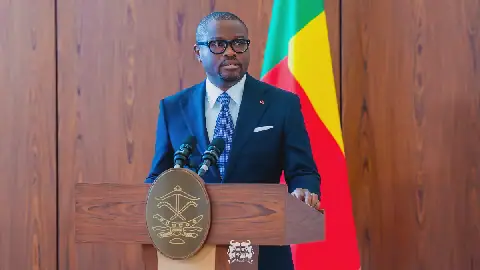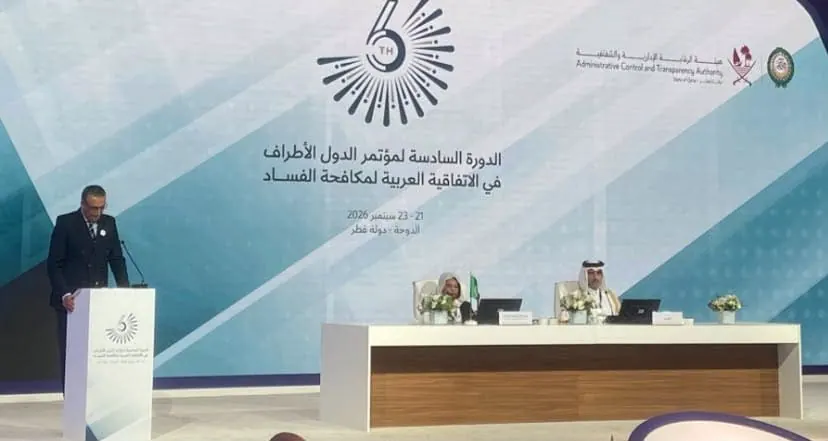
Tunisia's commitment to fighting corruption was highlighted at the 6th Arab Convention conference against corruption in Doha. Imed Hazgui, president of the Higher Commission for Administrative Control and Anti-Corruption (HCCAF), outlined Tunisia's strategy, which is based on three pillars: strict adherence to the law, massive digitalization of public services, and promotion of a culture of transparency. This approach aims to reform institutions and strengthen administrative control.
Hazgui emphasized the importance of international cooperation in effectively combating corruption. He called on the international community to respect its UN commitments, particularly regarding the repatriation of embezzled funds. This appeal was made during a session at the conference, where Tunisia sought to share its experience and best practices in anti-corruption efforts with other Arab countries.
The conference provided a platform for Tunisia to showcase its progress in institutional reform and anti-corruption measures. Hazgui highlighted the country's efforts to modernize its mechanisms for monitoring and financial control through the integration of new technologies and artificial intelligence. These efforts aim to enhance transparency and accountability in public administration.
On the sidelines of the conference, Hazgui engaged in discussions with leaders of Arab anti-corruption agencies. The talks focused on strategies for enhancing cooperation and sharing expertise in combating corruption. These exchanges underscored the importance of regional collaboration in addressing the complex challenges of corruption.
Tunisia's participation in the conference reflects its commitment to regional and international cooperation in the fight against corruption. By sharing its experiences and strategies, Tunisia aims to contribute to the development of effective anti-corruption measures across the Arab world. The country's efforts have been recognized as a model for institutional reform and anti-corruption initiatives.
The 6th Arab Convention conference against corruption brought together representatives from various Arab countries to discuss strategies and best practices in combating corruption. The event provided a valuable opportunity for countries to share their experiences and expertise, with a focus on promoting transparency and accountability. Tunisia's participation was seen as a significant contribution to these efforts.
The conference concluded with a renewed commitment to combating corruption and promoting transparency in the Arab region. Tunisia's strategy, as outlined by Hazgui, serves as a model for institutional reform and anti-corruption initiatives. The country's efforts to strengthen international cooperation and enhance its anti-corruption mechanisms are expected to have a positive impact on the region.
Key points
- Tunisia emphasizes international cooperation in fighting corruption.
- The country is reforming institutions and strengthening administrative control.
- New technologies and artificial intelligence are being integrated to modernize anti-corruption mechanisms.