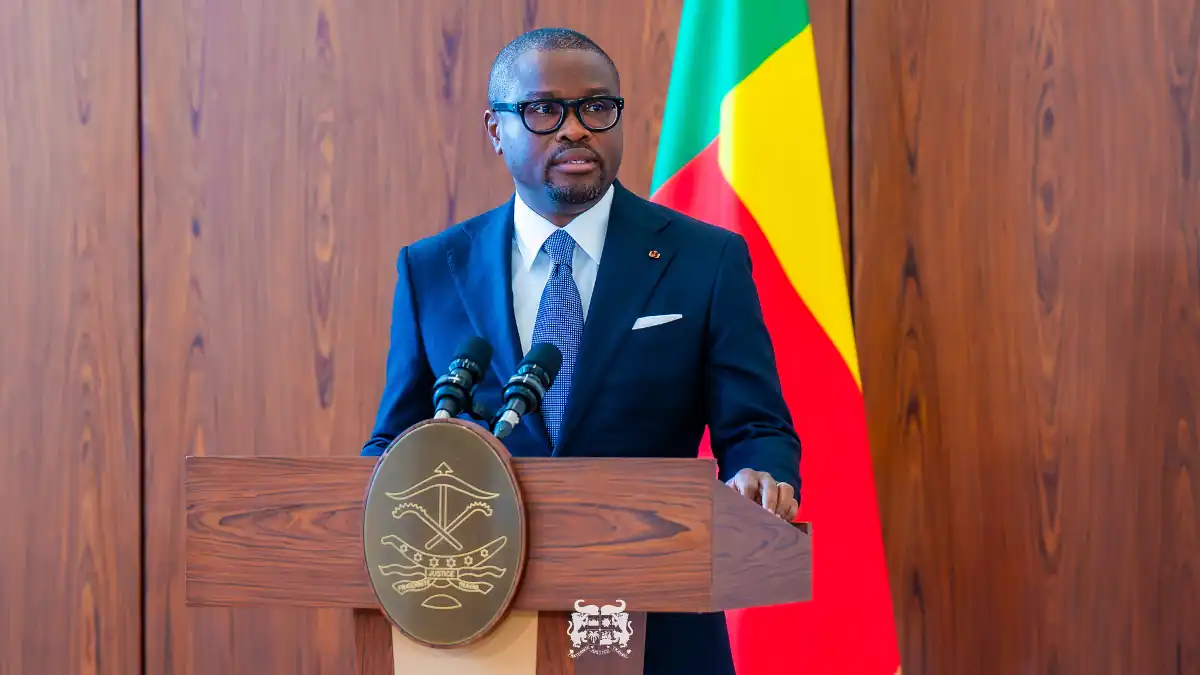
Benin's President Romuald Wadagni has announced plans to deploy six territorial poles, led by delegates general, to drive development in the country's 77 communes. The new system was presented at the Palais de la Marina on September 23, 2026, in the presence of 12 prefects and mayors of the communes. The poles aim to create an intermediate level of management between the central government and local authorities.
Each territorial pole will be led by a delegate general responsible for monitoring progress on the ground. These delegates will be required to reside in their area of intervention, conduct regular site visits, and report directly to central authorities on any challenges or successes. The delegates' performance will be evaluated after one year, based on predetermined indicators.
The project, a key initiative of the current government's seven-year term, has three main objectives: reducing extreme poverty, strengthening human capital, and stimulating local wealth creation. Particular attention will be given to farmers, livestock breeders, and fish farmers, who are considered most vulnerable to poverty. President Wadagni has urged officials and civil servants from different regions to invest more in the development of their localities of origin.
The president has also called on local authorities to enforce stricter rules on cleanliness, waste management, and public space maintenance, focusing on exemplarity rather than constraint. This move aims to promote a culture of responsibility and ownership among local communities. The government's plan is to create a more effective and efficient system of local governance.
Benin's decentralization process began in 1999, with the establishment of the first elected communal councils in 2002 and 2003. The six territorial poles will complement the existing communal and departmental structures, without replacing them. The government has not yet announced the names of the future delegates general or their exact start date.
The new system is expected to improve the delivery of public services and promote local economic development. By creating an intermediate level of management, the government aims to address the needs of local communities more effectively. The plan is part of a broader effort to promote sustainable development and improve living standards in Benin.
The government is expected to provide further details on the implementation of the territorial poles in the coming weeks. The system will be rolled out in the 12 departments of the country, with a focus on promoting local development and improving the lives of Benin's citizens. The success of the project will depend on effective coordination and collaboration between the central government, local authorities, and the delegates general.
Key points
- The six territorial poles will be led by delegates general responsible for monitoring progress on the ground and reporting directly to central authorities.
- The project aims to reduce extreme poverty, strengthen human capital, and stimulate local wealth creation.
- The new system complements existing communal and departmental structures, without replacing them.