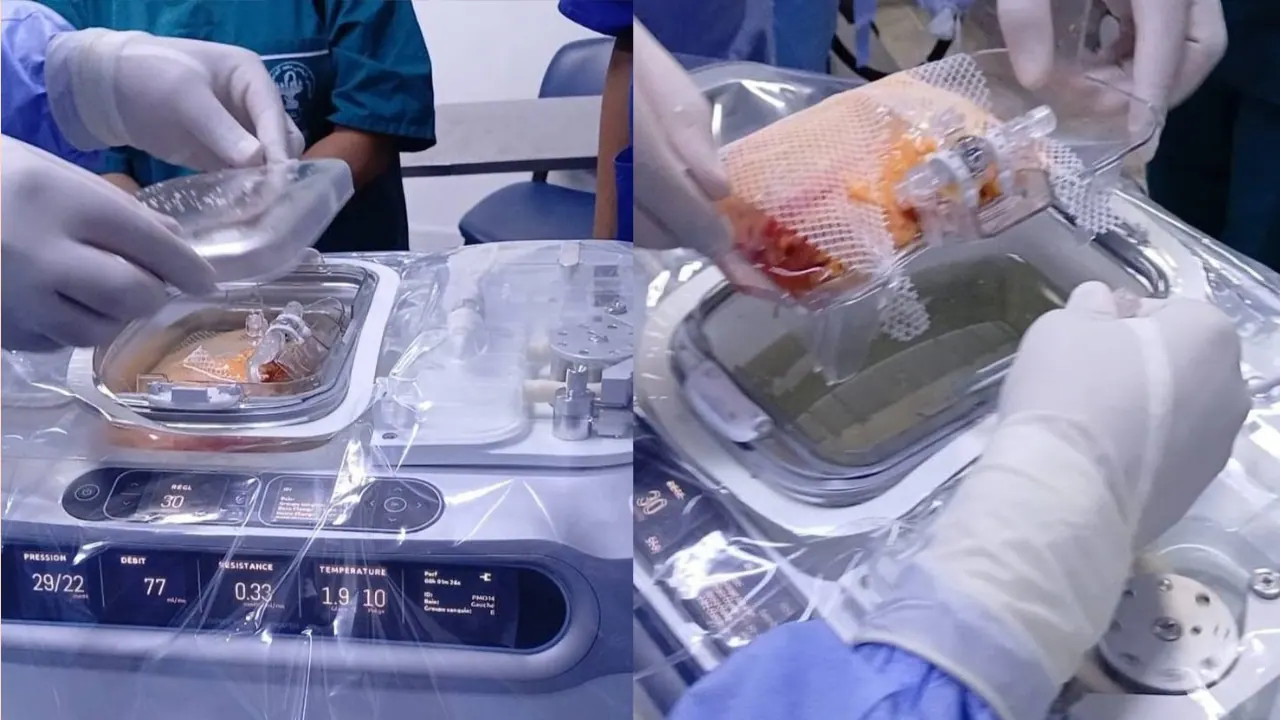
Tunisia's medical field has witnessed a significant milestone with the successful implementation of LifePort technology for preserving kidneys intended for transplant. The National Center for Organ Transplantation achieved this breakthrough at Charles Nicolle Hospital in the capital city. A team of Tunisian medical professionals oversaw the procedure, marking a new era in organ transplantation in the country. This advanced technology ensures that donated kidneys are preserved in optimal conditions, enhancing the likelihood of successful transplant surgeries.
The LifePort technology utilizes a sophisticated method known as hypothermic machine perfusion. This technique provides a dynamic and closely monitored environment for preserving donated kidneys from the time they are removed to when they are transplanted into patients. By maintaining optimal preservation conditions, this technology significantly improves the quality of organs prepared for transplant. Consequently, it extends the viable preservation period, directly impacting the success rates of surgical procedures.
The implementation of LifePort technology in Tunisia is a direct result of the collaborative efforts between various medical and paramedical teams. These teams played crucial roles in all stages of the organ donation and transplantation process. The National Center for Organ Transplantation has expressed its appreciation for the dedication and hard work of all involved. This achievement not only highlights the advancements in medical technology but also underscores the commitment to improving healthcare services in Tunisia.
The successful use of LifePort technology in Tunisia is expected to have a profound impact on the country's organ transplantation landscape. It opens up new possibilities for the development of organ transplantation, providing better opportunities for patients awaiting transplants. The technology is poised to significantly enhance the outcomes of transplant surgeries, thereby improving the quality of life for recipients.
The National Center for Organ Transplantation emphasized that this technological advancement represents a substantial leap forward for organ transplantation in Tunisia. It reflects the center's ongoing efforts to adopt cutting-edge technologies and innovative practices. These efforts aim to elevate the standards of medical care and to address the needs of patients requiring organ transplants.
The introduction of LifePort technology in Tunisia is part of a broader strategy to enhance the country's healthcare infrastructure. By integrating advanced medical technologies, Tunisia aims to improve its medical tourism sector and to provide high-quality healthcare services to its citizens. This breakthrough is a testament to the country's commitment to medical innovation and excellence.
Moving forward, the focus will be on continuing to develop and refine organ transplantation capabilities in Tunisia. The successful implementation of LifePort technology serves as a foundation for future advancements in the field. With ongoing investment in medical technology and training, Tunisia is poised to become a leading destination for organ transplantation in the region.
Key points
- The use of LifePort technology marks a significant advancement in organ preservation and transplantation in Tunisia.
- This technology improves the quality and viability of donated kidneys, enhancing the success rates of transplant surgeries.
- The breakthrough opens new avenues for the development of organ transplantation in Tunisia, offering better prospects for patients in need of transplants.