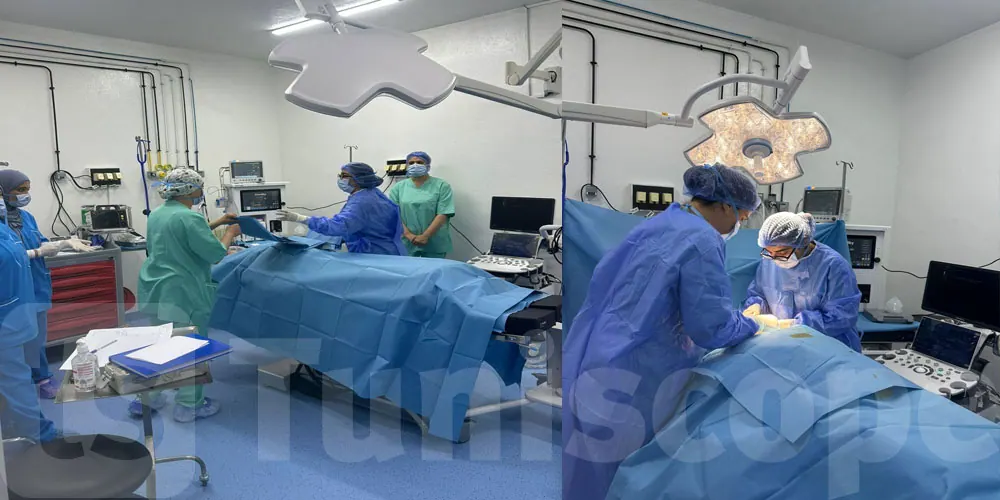
Tunisia's medical field has reached a new milestone with the successful use of the LifePort device for a kidney transplant at Charles-Nicolle hospital. The procedure, performed by a Tunisian medical team on Friday, September 25, 2026, marks a significant advancement in organ transplantation in the country. The LifePort device is a technology that preserves donated organs through hypothermic perfusion, allowing for dynamic and controlled preservation during the period between organ retrieval and transplantation.
The LifePort device is designed to improve the quality of donated organs, which is crucial for the success of transplant operations. By maintaining the organs in optimal condition, the device increases the chances of successful transplantation and reduces the risk of complications. The use of this technology is expected to enhance the development of organ transplantation in Tunisia, offering new hope for patients in need of transplants.
The National Center for the Promotion of Organ Transplantation, which oversaw the procedure, released a statement on Saturday, September 26, 2026, highlighting the significance of this achievement. The center emphasized that the use of the LifePort device represents a major breakthrough in the field of organ transplantation in Tunisia. This technology has the potential to improve outcomes for patients undergoing kidney transplants and could pave the way for further advancements in organ transplantation.
The successful use of the LifePort device is a testament to the expertise and capabilities of Tunisia's medical professionals. The team at Charles-Nicolle hospital demonstrated their proficiency in utilizing this advanced technology to perform a complex transplant procedure. This achievement showcases the country's growing capabilities in the field of organ transplantation and its commitment to providing high-quality medical care.
The introduction of the LifePort device in Tunisia is expected to have a positive impact on the country's transplant program. By improving the preservation of donated organs, the device can help increase the success rate of transplant operations and expand the pool of potential donors. This, in turn, can lead to more patients receiving life-saving transplants and improved health outcomes.
The use of the LifePort device in Tunisia also highlights the country's efforts to stay at the forefront of medical innovation. By adopting cutting-edge technologies, Tunisia's medical community can provide patients with access to advanced treatments and therapies. This commitment to innovation is essential for improving healthcare outcomes and enhancing the overall quality of life for Tunisian citizens.
As Tunisia continues to develop its organ transplantation program, the successful use of the LifePort device serves as a significant milestone. The country's medical professionals have demonstrated their ability to adapt and utilize new technologies, paving the way for further advancements in the field. With this achievement, Tunisia takes a major step forward in its efforts to provide high-quality medical care and improve health outcomes for its citizens.
Key points
- Tunisia's Charles-Nicolle hospital performs first kidney transplant using LifePort device
- LifePort device preserves donated organs through hypothermic perfusion
- Successful transplant expected to improve organ transplantation outcomes in Tunisia