Tunisian theater artists Jalila Baccar and Fadhel Jaïbi have collaborated on a new piece titled "Rêve(s)… Comédie noire", presented at the Théâtre des Régions in Tunis. This latest work from Familia Production is more than just a new creation; it is a diagnostic analysis of a society that has lost its ability to distinguish between reality and nightmare. The piece is part of a larger body of work by the duo, who have been exploring the passions and anxieties of Tunisian society through their theater company, founded in 1993.
Baccar and Jaïbi's work is known for its unflinching examination of the human condition. Their previous pieces, such as "Junun" (2001), "Yahia Yaïch-Amnesia" (2010), and "Tsunami" (2013), have tackled topics like madness, forgetfulness, and post-revolutionary anxiety. "Rêve(s)" continues this tradition, delving into the intimate territory of dreams and the fragmentation of experiences in a society in crisis. The piece features a cast of characters, including those played by Jalila Baccar, Jamel Madani, Mohamed Châabane, Mounir Khazri, and Meriem Ben Hamida.
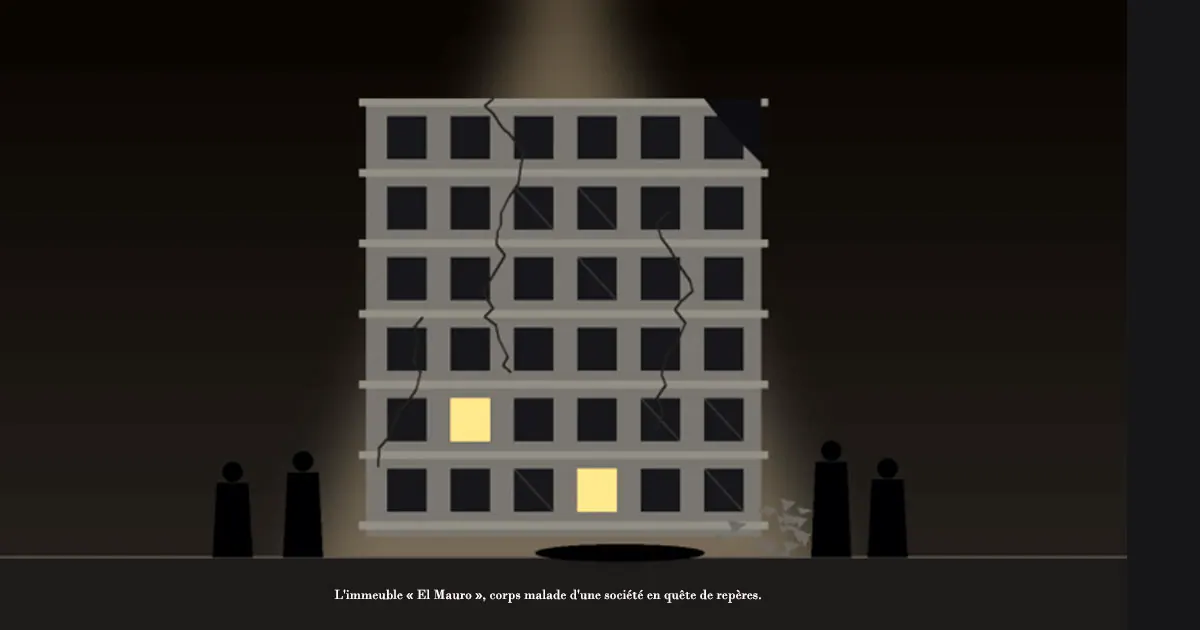
The set design for "Rêve(s)" is a key element of the production, featuring a dilapidated building called "El Mauro". This structure serves as a metaphor for the social and institutional decay that plagues Tunisian society. The building's crumbling walls and treacherous staircases represent the failures of institutions and the disintegration of social bonds. The characters that inhabit this space are not heroes or victims, but ordinary people struggling to cope with their circumstances.
The discovery of a corpse in the building sets off a chain of events that exposes the inadequacies of the authorities. The police response is to classify, interrogate, and suspect, rather than to understand or provide comfort. This portrayal of a society in which administrative rationality is unable to respond to human distress is a scathing critique of the current state of affairs. The piece suggests that the state's primary response to social problems is to impose order, rather than to engage with the complexities of human experience.
Despite the dark themes and tone of the piece, "Rêve(s)" also incorporates elements of comedy and satire. The use of black comedy allows the artists to tackle difficult subjects in a way that is both uncomfortable and thought-provoking. This approach is in line with a long tradition of Tunisian satire, which has often used humor to critique those in power and to cope with hardship. The laughter that "Rêve(s)" elicits is not cathartic or escapist, but rather a form of engagement with the absurdity of the situation.
At its core, "Rêve(s)" poses a fundamental question about the nature of society and the human experience. What happens when even the realm of dreams is invaded by anxiety and fear? When the last refuge of freedom and imagination is lost, what remains? The piece does not provide easy answers, but rather presents a mirror to society, forcing it to confront its own flaws and weaknesses. By doing so, "Rêve(s)" offers a form of social commentary that is both urgent and necessary.
Historian and professor Abdelhamid Larguèche has noted that "Rêve(s)" is not just a work of art, but an act of public health. In a society that is struggling on multiple fronts, a piece like "Rêve(s)" serves as a wake-up call, forcing audiences to confront the reality of their situation. By presenting a stark and unvarnished portrayal of Tunisian society, Baccar and Jaïbi are offering a form of therapy, one that challenges audiences to think critically about their world and their place in it.
Key points
- The theater piece "Rêve(s)" offers a scathing critique of Tunisian society, tackling topics like social decay, institutional failure, and the erosion of human freedom.