According to Thomas Warrick, a senior researcher at the Atlantic Council, US President Donald Trump's primary concern regarding Iran is ending its nuclear program. Warrick mentioned that American officials have discussed reducing the amount of uranium enriched to 60% currently stored in Iran, following airstrikes that began last year. This development has significant implications for the region and global security.
Warrick highlighted that the issue of the Strait of Hormuz is separate from the nuclear program. He noted that Trump appears less interested in negotiating the opening of the strait, but is more focused on ensuring the safe passage of ships through the region. This includes providing military escorts for vessels, allowing them to enter and exit the Gulf safely. The Strait of Hormuz is a critical waterway for global oil exports.
The situation may become clearer after the US midterm elections scheduled for November 3. Warrick suggested that after the elections, Trump will face fewer constraints on his actions, and his priorities will be guided by his own thinking and preferences. This could lead to a shift in US policy towards Iran, with potential implications for the nuclear program and the Strait of Hormuz.
Warrick predicted that the post-election period may see continued economic sanctions and pressure on Iran, or an escalation in the use of military force. He emphasized that Trump currently prioritizes pressuring Iran to agree to a deal on its nuclear program over the issue of the Strait of Hormuz. The US has been critical of Iran's nuclear program and has imposed significant sanctions on the country.
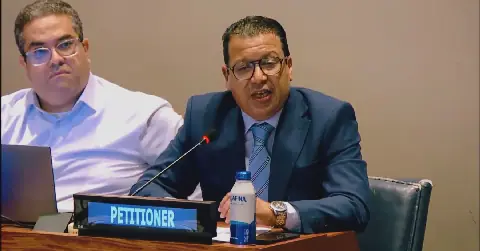
The Atlantic Council researcher made these comments during an interview with Egyptian journalist Nihal Derwish, host of the program "Min Nohro El Nahar" on Cairo News Channel. Warrick's insights provide valuable context for understanding Trump's priorities and potential next steps in the region. The interview was reported by Egyptian media outlet Al-Masry Al-Youm.
Warrick's comments come amid heightened tensions between the US and Iran. The US has been critical of Iran's nuclear program and has imposed significant sanctions on the country. Iran, in turn, has faced significant economic challenges as a result of the sanctions. The situation remains complex, with multiple factors at play.
The issue of Iran's nuclear program and the Strait of Hormuz remains a pressing concern for global leaders. Warrick's analysis highlights the complexities of the situation and the need for continued diplomatic efforts to address these challenges. The international community remains engaged on these issues, seeking a peaceful resolution to the tensions between the US and Iran.
Key points
- Trump prioritizes ending Iran's nuclear program over the issue of the Strait of Hormuz.