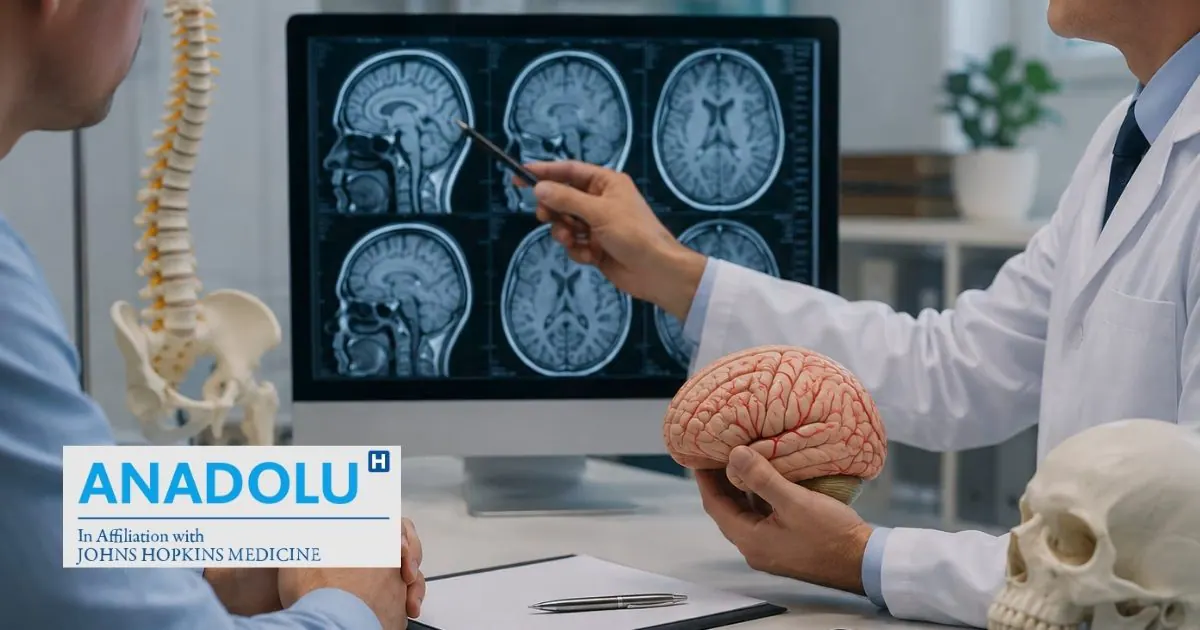
In Algeria, patients facing neurosurgery decisions are seeking second opinions to confirm their diagnoses and treatment plans. A recent article by Algérie 360 highlights the importance of a second opinion in neurosurgery, where a decision can impact daily life for years to come. With mobility, sensitivity, memory, and language at stake, many patients are unsure if they should seek a second medical opinion before consenting to surgery.
According to a review of 14 studies on spine surgery, approximately 40% of consultations are already second opinions. This trend is not unique to neurosurgery, as patients in oncology, cardiology, orthopedics, urology, and gynecology also seek second opinions. A second opinion in neurosurgery involves an independent specialist reviewing the diagnosis and treatment plan, re-examining the patient's file, and sometimes suggesting alternative approaches.
The second opinion process involves a thorough review of the patient's file, including imaging tests such as MRI or CT scans, laboratory results, and medical history. The specialist will also conduct a clinical examination to assess muscle strength, reflexes, sensitivity, and mobility. This process aims to complement the first opinion, not disqualify it, and to provide patients with a more informed decision.
Certain situations justify seeking a second opinion, particularly when the surgery is major or irreversible, the diagnosis is uncertain, or the patient is unsure about the treatment plan. In neurosurgery, operations that trigger more requests for second opinions include tumor removal, vascular malformation treatment, and epilepsy surgery. Patients should not hesitate to seek a second opinion, especially if they are unsure or feel unprepared to make a decision.
A study by the Mayo Clinic found that 21% of patients received a completely different diagnosis, 66% had a refined or redefined diagnosis, and 12% had their initial diagnosis confirmed. In spine surgery, a review of 14 studies reported that 61.3% of second opinions diverged from the first, with three out of four recommending conservative treatment. While the second opinion does not necessarily hold the truth, it provides patients with a more informed decision.
To prepare for a second opinion, patients should gather a complete file, including imaging tests, laboratory results, and medical history. They should also write down their symptoms, including triggers and alleviating factors, and prepare questions to ask the specialist. Key questions to ask include the exact diagnosis, the necessity of surgery, alternative treatments, risks, and expected outcomes.
Patients should not hesitate to ask questions or seek clarification on any points they do not understand. By seeking a second opinion, patients can make a more informed decision about their treatment plan and approach surgery with greater confidence. Ultimately, the goal of a second opinion is to provide patients with a more comprehensive understanding of their condition and treatment options.
Key points
- Algerian patients are increasingly seeking second opinions on neurosurgery diagnoses to confirm their diagnoses and treatment plans.
- A second opinion in neurosurgery involves an independent specialist reviewing the diagnosis and treatment plan, re-examining the patient's file, and sometimes suggesting alternative approaches.
- Patients should prepare for a second opinion by gathering a complete file, including imaging tests, laboratory results, and medical history, and by writing down their symptoms and questions to ask the specialist.