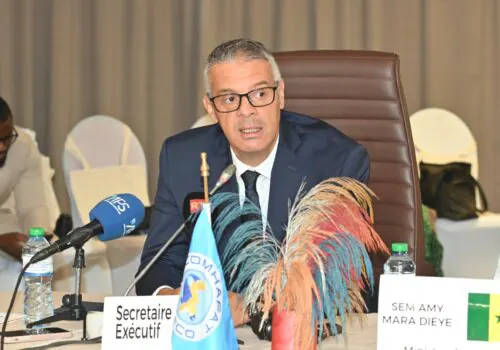
Africa may have to rely more heavily on aquaculture to meet demand for fish, create jobs, and protect marine resources as catches decline and population growth pressures traditional capture fisheries. This was a key message from a high-level meeting on aquaculture development held in Dakar, Senegal, from October 7 to 8, 2026. The meeting examined the role fish farming could play in securing Africa's food future and expanding economic opportunities.
The meeting, themed "What contribution can aquaculture make to inclusive growth, sustainable development, and job creation in Africa?", was jointly organised by the African Network of Institutions for Aquaculture Development and Promotion (RAFAQUA) and the African Network of Fisheries Research and Marine Science Institutes (RAFISMER). Representatives from 22 member states of the Ministerial Conference on Fisheries Cooperation among African States Bordering the Atlantic Ocean (COMHAFAT) participated, alongside institutions and organisations including the Sub-Regional Fisheries Commission (CSRP) and Portugal's AIR Centre.
The gathering provided a platform for countries to exchange experiences, identify common challenges, and promote cooperation among COMHAFAT member states through RAFAQUA and RAFISMER networks. A growing concern was that Africa cannot continue to rely on capture fisheries to satisfy the needs of an expanding population. Declining fish catches and rapid population growth have created an urgent need for alternative and sustainable sources of fish production.
Mr. Baba Ndiaye, Chief of Staff to Senegal's Minister of Fisheries and the Maritime Economy, welcomed the meeting and linked aquaculture development to pressing food and socio-economic challenges. He said aquaculture had emerged as a credible option for helping African countries bridge the gap between fish supply and demand while contributing to food security, employment, and income generation.
The proposal for a gradual transition from excessive dependence on capture fisheries to a more diversified system has significant implications for a continent where fish remains an important source of food, nutrition, and livelihood for millions. As populations expand and urbanisation accelerates, demand for affordable animal protein is expected to remain strong. Pressure on wild fish stocks and environmental challenges could make it difficult for traditional fishing alone to satisfy future demand.
Achieving the potential of aquaculture would require far more than encouraging people to establish fish ponds. President of RAFISMER, Mohamed Najih, said the transition would require countries to abandon isolated approaches and strengthen partnerships among policymakers, research institutions, private investors, and development partners. He stressed the role of government in creating an environment capable of attracting investment and supporting sustainable production.
Stakeholders stressed the need for an integrated aquaculture value chain rather than an approach focused solely on increasing the number of fish farms. Research institutions will have an important role to play in developing production systems adapted to local conditions, improving fish breeds, and providing technical support to farmers. Stronger regional networks could allow countries to share technologies, research findings, and practical experiences.
Key points
- African countries are turning to aquaculture to meet rising demand for fish and protect dwindling marine resources.
- A high-level meeting in Dakar, Senegal, examined the role fish farming could play in securing Africa's food future and expanding economic opportunities.
- Achieving the potential of aquaculture will require partnerships among policymakers, research institutions, private investors, and development partners.