The city of Tizi Ouzou in Algeria's Kabylie region woke up to a somber atmosphere on December 13, a day after violent clashes broke out between protesters and police. The city's residents found themselves under a cloudy and chilly weather, reflecting the uncertainty that hung in the air. The previous day had seen intense confrontations between protesters and security forces, resulting in numerous injuries and damage to public property.
The protests were sparked by the recent presidential election, which saw Abdelmadjid Tebboune emerge as the winner. However, many in the Kabylie region, a stronghold of the Berber community, rejected the election results, citing irregularities and expressing discontent with the current government's policies. The city's residents had taken to the streets to voice their opposition, leading to clashes with police and the eventual closure of polling stations.
The aftermath of the clashes left visible scars on the city's infrastructure, with debris, broken glass, and remnants of burned-out tires littering the streets. Several buildings, including institutions and public facilities, bore the marks of the violence, with shattered windows and damaged facades. Emergency services were quick to respond, with firefighters and paramedics working to contain the damage and treat the injured.
As the city began to return to a sense of normalcy, residents and volunteers came together to clean up the streets and restore order. The effort was seen as a gesture of goodwill and a desire to move forward, with many expressing hope that the violence would subside and a path forward could be found. However, the underlying tensions and concerns about the election results remained, with many calling for continued vigilance and action.
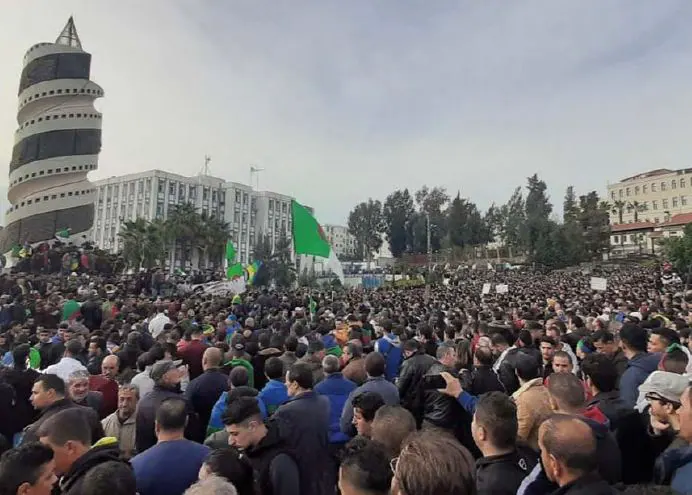
On Friday, the city witnessed a massive turnout for a march and mobilization event, with tens of thousands of people taking to the streets to express their discontent with the election results. The protesters, many of whom were draped in national and Berber flags, converged on the city center, creating a sea of color and energy. The event was marked by a sense of festivity and determination, with participants calling for their voices to be heard and their concerns addressed.
The protests in Tizi Ouzou were part of a larger wave of demonstrations that swept across Algeria in recent weeks, with citizens expressing frustration with the government's handling of various issues, including the economy, corruption, and social inequality. The Kabylie region, with its distinct cultural and linguistic identity, has been at the forefront of these protests, with many residents demanding greater autonomy and recognition of their rights.
As the situation in Tizi Ouzou continues to unfold, concerns about the potential for further violence and instability remain. However, the resilience and determination of the city's residents, as well as their commitment to peaceful protest, offer a glimmer of hope for a positive and constructive way forward. The government's response to the protests, and its willingness to engage with citizens and address their concerns, will likely play a critical role in shaping the future of the region.
Key points
- The protests in Tizi Ouzou were sparked by the recent presidential election, which saw Abdelmadjid Tebboune emerge as the winner, but many in the Kabylie region rejected the results, citing irregularities and expressing discontent with the current government's policies.