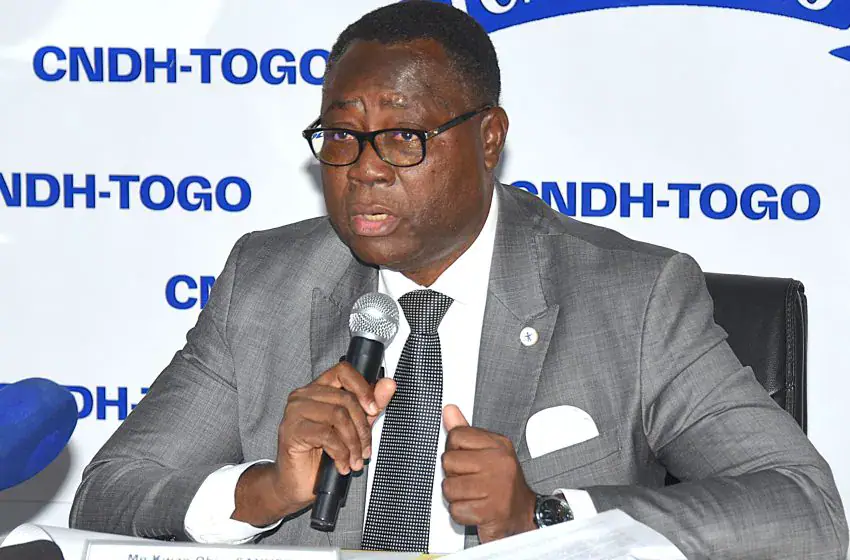
The Commission Nationale des Droits de l'Homme (CNDH) in Togo organized a meeting on November 5, 2026, at its headquarters in Lomé with representative organizations of the elderly. This event was part of the delayed celebration of the International Day of Older Persons, observed annually on October 1. The meeting aimed to create a platform for dialogue and listening, enabling the elderly to understand the CNDH's mission and functioning.
The International Day of Older Persons, established by the United Nations General Assembly in 1990, was celebrated globally on October 1, 2026. The theme for that year, "Longevity: Rethinking Systems for Longer Lives," encouraged a new perspective on aging. It emphasized that living longer should mean living better, with good health, dignity, security, and respect for one's rights.
The CNDH, tasked with promoting and protecting human rights, organized the discussion to engage with elderly organizations. The objective was to educate them about the CNDH, its roles, and operations, while allowing the elderly to express their challenges, concerns, and expectations freely. The discussions focused on identifying actions to improve their living conditions, enhance protection, and promote active and healthy aging.
The debates centered on two sub-themes: "Longevity: Rethinking Systems for Longer Lives" and "The Role of Geriatricians and Families: Accompanying Aging." The first sub-theme highlighted the fundamental rights of the elderly and government measures to promote active aging. The second sub-theme addressed when to consult a geriatrician and coordinated care among healthcare professionals.
Me Kwao Ohini Sanvee, President of the CNDH, stated that protecting the rights of the elderly is both a moral and social requirement and a legal obligation. He outlined the national and African legal frameworks that enshrine fundamental principles for all citizens, regardless of age. The elderly have the right to health, security, social protection, food, housing, property, access to justice, and participation in social life.
Me Sanvee emphasized that the elderly should not be viewed solely as recipients of assistance but as full citizens, development actors, and bearers of valuable knowledge and experience. He reaffirmed the CNDH's commitment to continuing its actions to promote and protect the rights of the elderly in collaboration with public authorities, civil society organizations, and concerned actors.
In Togo and Africa, elderly individuals play a significant role in families and communities as custodians of history, traditions, and cultural values. However, they face challenges such as economic precariousness, insufficient income and pensions, limited access to adapted healthcare, isolation, family abandonment, violence, and age-based discrimination.
Key points
- The CNDH in Togo held a meeting with elderly representatives to discuss their rights and challenges.
- The meeting was part of the celebration of the International Day of Older Persons.
- The elderly in Togo face challenges such as economic precariousness, insufficient income, and limited access to healthcare.