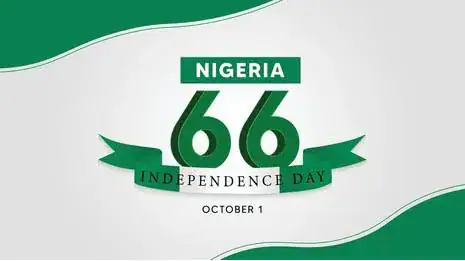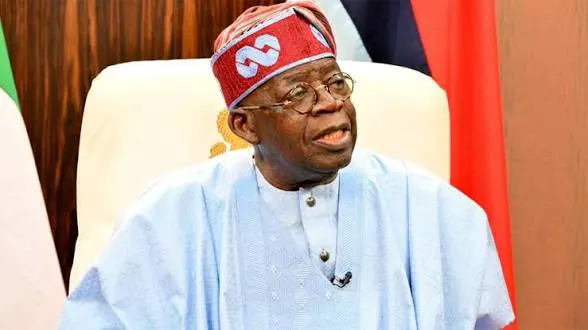
On October 1, 2026, President Bola Ahmed Tinubu addressed the nation on the 66th anniversary of Nigeria's independence, reflecting on the country's progress and the challenges it has faced. Tinubu emphasized that Nigeria's journey has not always been easy, with periods of war, military rule, economic crises, insecurity, and political upheaval. Despite these difficulties, the nation has endured, driven by the resilience and determination of its people.
Tinubu noted that Nigeria's founding fathers did not struggle solely for independence but for the freedom to shape their own destiny and build a nation that provides opportunity, dignity, and a better life for its citizens. He acknowledged that, for too long, the promise of Nigeria was undermined by choices that postponed difficult decisions, allowing deep economic distortions to grow. By 2023, poverty was rising, and hope was dwindling.
The President highlighted that his administration chose to confront the country's economic challenges rather than hide from them. He likened Nigeria's situation to a patient with cancer, who must decide between undergoing painful treatment or succumbing to the disease. Tinubu stated that his government opted for the difficult but necessary reforms, which have led to a 4% growth in the economy, with both oil and non-oil sectors contributing to the renewed period of stable growth.
Tinubu cited several indicators of Nigeria's improved economic outlook, including a decline in oil theft, a substantial fall in inflation, and rebuilt foreign reserves. He also noted that the country's foreign exchange market has stabilized, and non-oil exports reached a record $6 billion in 2025. These achievements, Tinubu said, are a testament to the success of the government's reforms.
The President emphasized that the emergency treatment phase is over, and the focus has shifted to achieving shared and widespread prosperity. He envisioned a Nigeria where farmers can cultivate their land safely, businesses have access to credit, and young people can find productive work. Tinubu's priority is to bring down the cost of living by lowering the cost of producing and moving goods.
To achieve this goal, Tinubu's government is focused on expanding mechanized irrigation and dry-season farming, improving access to seeds and fertilizer, and investing in storage and transportation. The administration is also building and completing roads, railways, and ports to connect farms and factories to markets. This, Tinubu believes, will enable farmers to produce more cheaply and reduce crop losses.
As Nigeria looks to the future, Tinubu urged citizens to resist the siren song of regressive voices that advocate for a return to addictive subsidies. He emphasized that the country has come too far to abandon the reforms that have strengthened Nigeria's economic stability and resilience. With a renewed focus on prosperity, Tinubu expressed confidence that Nigeria can fulfill its promise and provide a better life for its citizens.
Key points
- President Tinubu marks 66 years of Nigeria's independence, highlighting the country's progress and challenges.
- The President outlines his vision for Nigeria's future, focusing on shared prosperity and economic growth.
- Tinubu emphasizes the importance of sustaining reforms to achieve widespread prosperity.