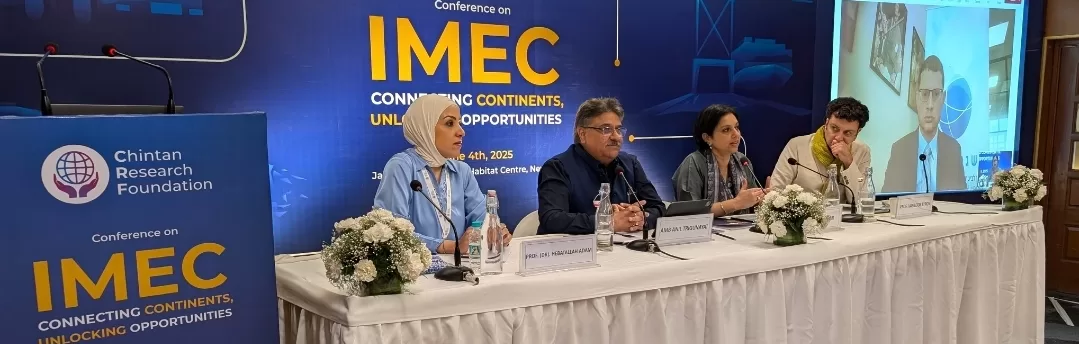
The global landscape is witnessing a significant shift from multilateralism to regionalism, particularly in the Global South. This change is driven by the need for nations to address common challenges and strengthen their socio-economic development trajectories. According to Dr. Hebatallah Adam, a professor of economics and founder of the Jindal Centre for the Global South, this evolution is characterized by nations prioritizing cooperation with neighboring countries. This approach allows them to enhance their autonomy while responding to shared challenges.
The decline of multilateralism is attributed to rising nationalist sentiments and waning trust in global governance institutions. The policies of major powers, including the "America First" approach under Donald Trump's presidency, have contributed to this shift. This stance has weakened international cooperation mechanisms, such as the World Trade Organization (WTO), and stalled several significant international agreements. As a result, many countries, especially in the Global South, are seeking alternative cooperation frameworks, with regional mechanisms gaining prominence.
The stagnation of commercial negotiations and the rise of protectionism further illustrate the challenges facing multilateralism. As major actors disengage from multilateral commitments, many Global South countries remain on the periphery of global governance decisions. This situation highlights the importance of strengthening regional cooperation to amplify their influence and better defend their interests in an increasingly competitive international environment.
Regionalism offers the Global South an opportunity to pool their negotiating power and enhance socio-economic resilience. By adopting a regional approach, nations can address the limitations of globalization, which often fail to account for the diverse realities and needs of various countries. Regional groupings, such as the BRICS, can play a crucial role in shaping a more inclusive and genuinely global international order.
The shift towards regionalism is also driven by the need for more effective and responsive governance structures. Regional mechanisms can provide a more agile and adaptable framework for addressing common challenges, such as trade, security, and sustainable development. By leveraging regional cooperation, Global South countries can develop more targeted and context-specific solutions to their socio-economic challenges.
Egypt, as a key player in the Global South, is well-positioned to champion regional cooperation initiatives. The country's strategic location and economic influence make it an important actor in regional dynamics. By engaging in regional cooperation frameworks, Egypt can help shape a more favorable international environment and promote its socio-economic development goals.
The future of global governance will likely be characterized by a mix of multilateral and regional approaches. As the Global South continues to navigate the challenges of a rapidly changing international landscape, regionalism is likely to play an increasingly important role. By embracing regional cooperation, nations can develop more effective and responsive governance structures that better address their diverse needs and priorities.
Key points
- The decline of multilateralism is driving the Global South towards regionalism as nations seek to address shared challenges and boost socio-economic development.
- Regionalism offers the Global South an opportunity to pool their negotiating power and enhance socio-economic resilience.
- The shift towards regionalism is driven by the need for more effective and responsive governance structures that can address common challenges and promote sustainable development.