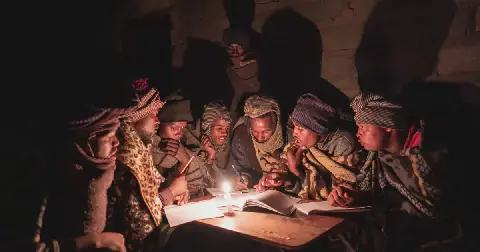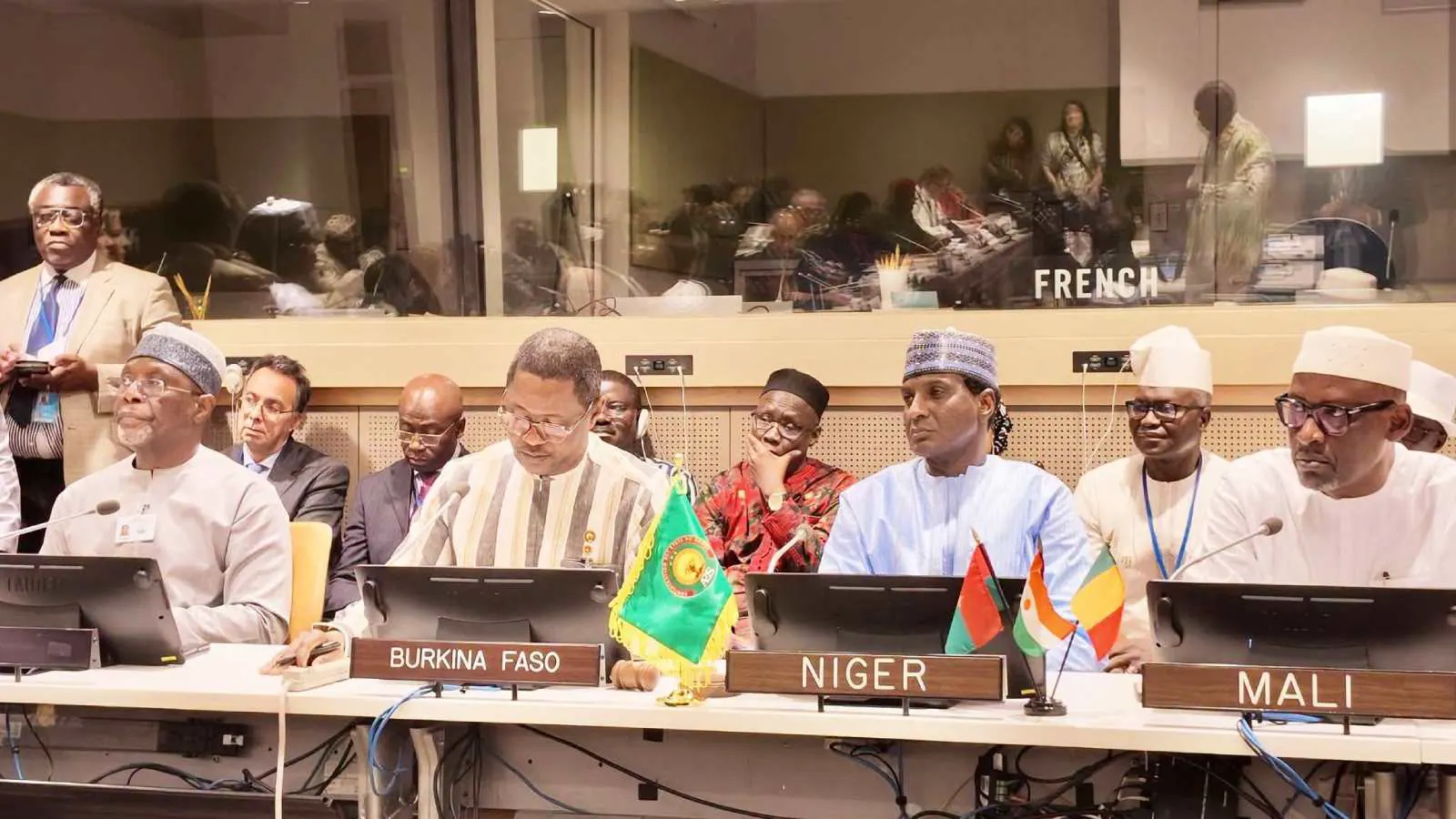
In a side event at the 81st United Nations General Assembly, the Alliance of Sahel States (AES), consisting of Burkina Faso, Mali, and Niger, presented its perspectives on the security and economic challenges facing the Sahel region. The event, chaired by Nigerien Prime Minister Ali Mahaman Lamine Zeine, was attended by representatives of various countries and international organizations. A film showcasing the development and counter-terrorism efforts of the three countries was screened before the discussions.
The AES representatives emphasized the need for a cooperative approach based on the priorities defined by the three countries. Burkina Faso's Foreign Minister, Karamoko Jean-Marie Traoré, highlighted the importance of understanding the realities on the ground in the Sahel, stressing that a durable response to the region's challenges requires a common comprehension of the crisis and its solutions. He called on international partners to give more weight to the voices of Sahelian states in analyzing the crisis and finding solutions.
Mali's Foreign Minister and Minister of International Cooperation, Abdoulaye Diop, clarified that the AES was not created against the Economic Community of West African States (ECOWAS). He reaffirmed the willingness of the three countries to maintain cooperative relations and good neighborliness with other African states, in a pan-African spirit. This statement aimed to dispel concerns about the AES's intentions and reassure regional partners of its commitment to cooperation.
The event also heard from Togo's Foreign Minister, Professor Robert Dussey, who expressed his country's support for the Sahelian states. He emphasized that the security situation in the Sahel has implications for coastal West African countries, which are exposed to the repercussions of instability in the region. Representatives from other countries, including Morocco, Congo, Algeria, and Russia, were also in attendance, underscoring the international interest in the AES's initiatives.
On the economic front, Karamoko Jean-Marie Traoré highlighted the growth achievements of the three countries despite security challenges. He stressed that partnerships in the AES space must take into account the common vision of the three states and their national policies. This approach is aimed at ensuring that cooperation is aligned with the AES's priorities and goals, while also respecting the sovereignty of its member states.
The AES's presentation to international partners is part of a broader effort to articulate a common voice on the Sahel region. The alliance's foreign ministers had previously consulted before their interventions at the UN General Assembly, demonstrating their commitment to a coordinated approach. By engaging directly with international partners, the AES seeks to promote its vision and priorities, while remaining open to cooperation with countries willing to work with the alliance.
The side event at the UN General Assembly provided a platform for the AES to engage with various international stakeholders and promote its agenda. The alliance's efforts to present its positions and priorities directly to international partners reflect its determination to shape the narrative on the Sahel region and influence the response to its challenges. The AES's initiative has sparked interest and attention from the international community, which is closely watching the developments in the region.
Key points
- The AES seeks to promote a common voice on the Sahel region and engage directly with international partners to shape the response to its challenges.
- The alliance emphasizes the need for a cooperative approach based on the priorities defined by its member states.
- The AES's initiatives have sparked interest and attention from the international community, which is closely watching the developments in the region.