In the coastal fishing town of Kayar, Senegal, the dangers of migration are painfully familiar. Families have lost loved ones at sea, yet poverty and a lack of opportunities continue to push young people towards the perilous journey to Europe. Falla Dionne, 24, has not heard from her husband since he left in July 2022. He was later reported to have boarded a boat bound for Spain. Their son was just three months old at the time.
Despite the loss, others in Kayar remain determined to try their luck. Twenty-three-year-old fisherman Baye Coura Diop has attempted the crossing three times, once spending 15 days at sea. His determination is driven by the desire to support his family, a sentiment echoed by many young people in Kayar. The town's struggling fishing industry, rising living costs, and limited job opportunities are among the factors driving departures.
Baye Coura Diop's mother, Sally Ndiaye, says she no longer tries to stop him from leaving. She prays to God that he guides him safely on his way so that they might support one another. According to Ndiaye, it is poverty that drives this. Out of compassion for their parents, young people want to help, and that is why they risk their lives.
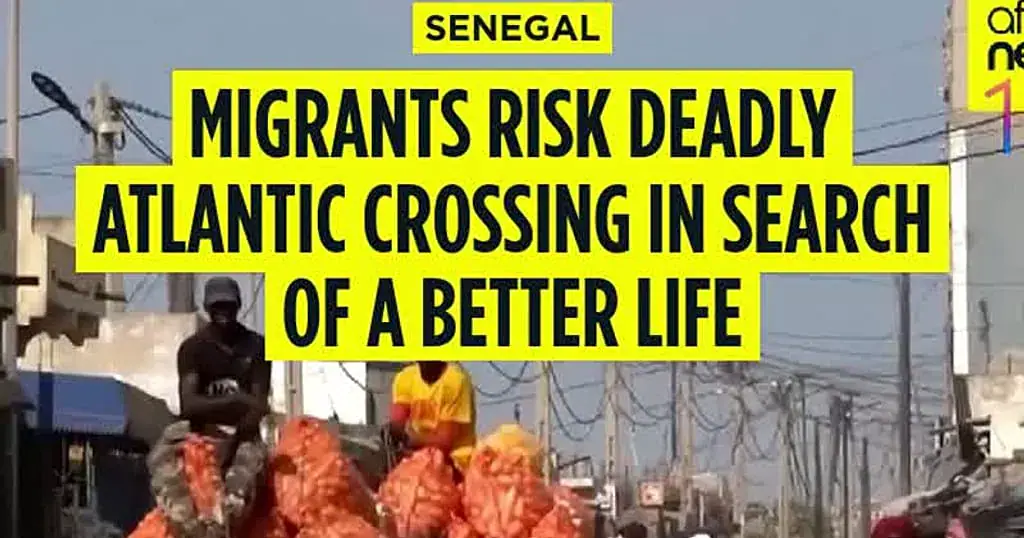
Senegal's economic challenges have led to an increase in migrants risking the dangerous Atlantic crossing to Spain's Canary Islands. Despite increased European funding for border surveillance and efforts to intercept migrant boats, thousands continue to embark on the journey. For many families in Kayar, the choice is increasingly between staying without prospects and risking everything in search of a better future.
The perilous journey has claimed lives, and families have been left with no news of their loved ones. Falla Dionne waited for ten days, nearly twenty, up to a month, asking for news and spreading the word, only to be told that the boat had never reached the shore. The loss has not deterred others, who remain determined to try their luck.
The situation in Kayar highlights the complexities of migration and the need for sustainable solutions. While European funding has increased for border surveillance, more needs to be done to address the root causes of migration. The struggling fishing industry, rising living costs, and limited job opportunities must be addressed to reduce the incentive for young people to embark on the perilous journey.
As the situation in Kayar continues to unfold, it is clear that the risks associated with migration will persist. The desire for a better life will continue to drive young people to embark on the journey, and it is up to governments and international organizations to work together to find sustainable solutions to address the root causes of migration.
Key points
- Senegal's struggling fishing industry, rising living costs, and limited job opportunities are driving departures.