The Spanish legislative elections are set to conclude, with the campaigns of the three main parties heavily focused on their candidates' digital presence. According to politologist Cristina Monge, these elections are essentially ideological, pitting the left against the right. The voters, she notes, are not evaluating the current government's performance but rather showing adherence to an ideological bloc.
The campaigns have seen a significant increase in "useful votes" for both the right and left, with high participation expected, possibly surpassing 75%, one of the highest in Spain's legislative elections. Professor Carlos Barrera of the University of Navarra notes that the results will be read in terms of blocs, with the Partido Popular (PP) and Vox on one side, and the Partido Socialista (PSOE) and Frente Ampla (FA) on the other.
The PP/Vox bloc appears to be in the lead, according to recent polls, but the PSOE has been gaining ground, reducing the gap with the PP to 3.5 percentage points. Carlos Barrera believes the PSOE, led by Prime Minister Pedro Sánchez, has had some success with its campaign strategy, convincing previous socialist voters who were initially abstentionist.
The PSOE focused on an ideological campaign, warning of a potential PP government with the far-right Vox, framing them as the same and promising a return to the past in terms of freedoms and rights. This strategy, used in the 2023 elections, resulted in Sánchez being reinstated with the support of eight left and right parties.
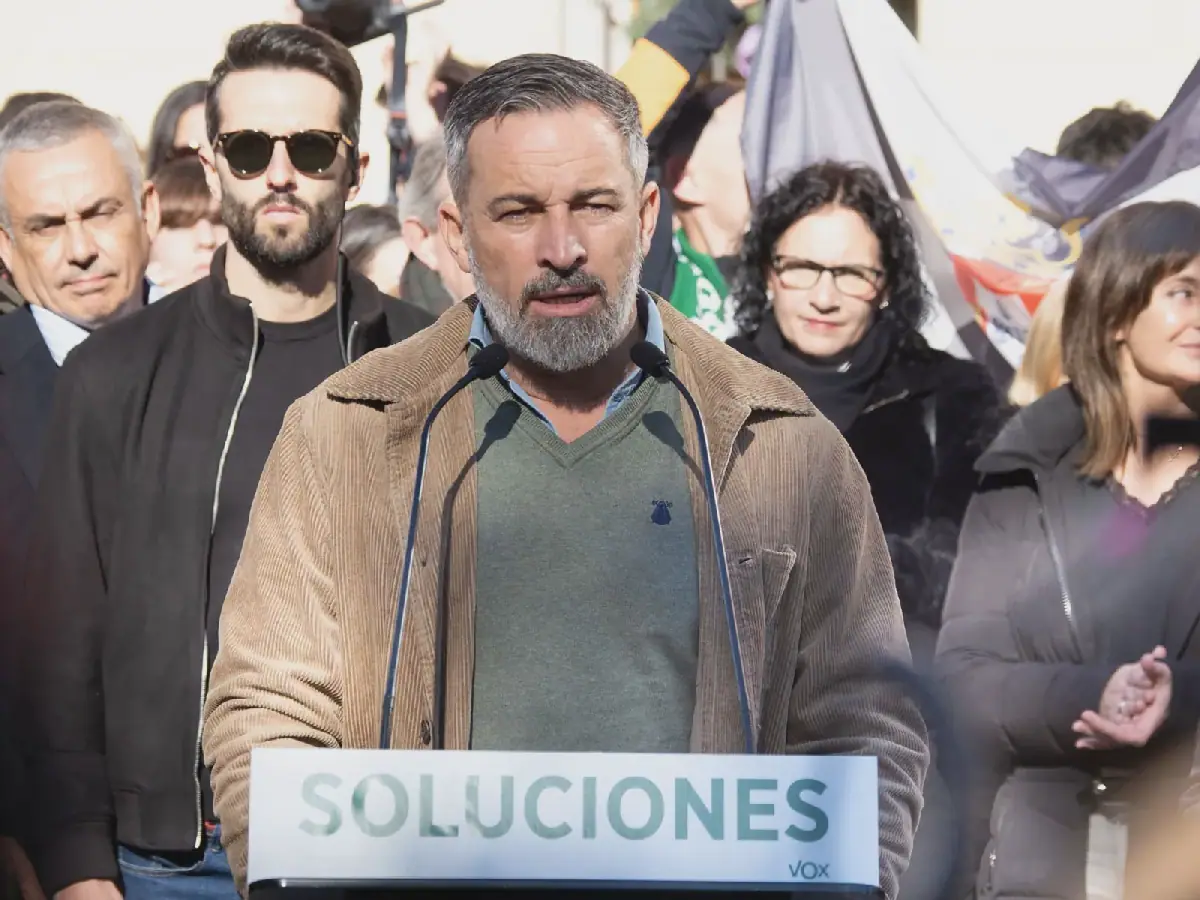
In contrast, the PP's campaign centered on a message of "management and decency," with leader Alberto Núñez Feijóo highlighting his decades-long experience as a public administrator without corruption allegations. Vox's campaign, meanwhile, focused on anti-immigration rhetoric but did not present anything particularly new.
The Frente Ampla, according to polls, is expected to lose the most compared to 2023, after an "erratic" campaign that failed to effectively communicate its messages. Despite a strong performance in a TV debate, it may be too late for a recovery. The parties primarily targeted voters within their own ideological blocs, with little voter transfer between the right and left.
A notable aspect of this campaign was the widespread use of new communication channels by all candidates, including podcasts and interviews with YouTubers of diverse profiles. This shift indicates a changing approach to political campaigning in Spain, with a greater emphasis on digital engagement and reaching voters through non-traditional media.
Key points
- The Spanish legislative elections are characterized by an ideological divide between the left and right blocs.
- High voter participation is expected, possibly surpassing 75%.
- The campaigns have heavily focused on digital presence and new communication channels.
Reporting sources
- Esquerda contra direita: O que marcou a campanha eleitoral em Espanha · RecordTV Cabo Verde