Across Africa, mineral-producing countries are seeking to capture more of the value generated by their natural resources. Nigeria is pressing for greater domestic processing, while major transport investments such as the Lobito Corridor are improving connections between mineral-producing regions and international markets. However, moving minerals more efficiently is not the same as building an industrial value chain. The real challenge is creating the conditions that make processing commercially viable within the continent.
Nigeria's mining sector offers an important starting point for mineral beneficiation. Solid minerals revenue reached ₦101.11 billion in the first nine months of 2026, compared with ₦51.79 billion during the corresponding period in 2025. The increase reflects stronger government collections, particularly from mineral royalties. However, revenue growth measures receipts from mining activities, not the expansion of domestic refining or manufacturing capacity.
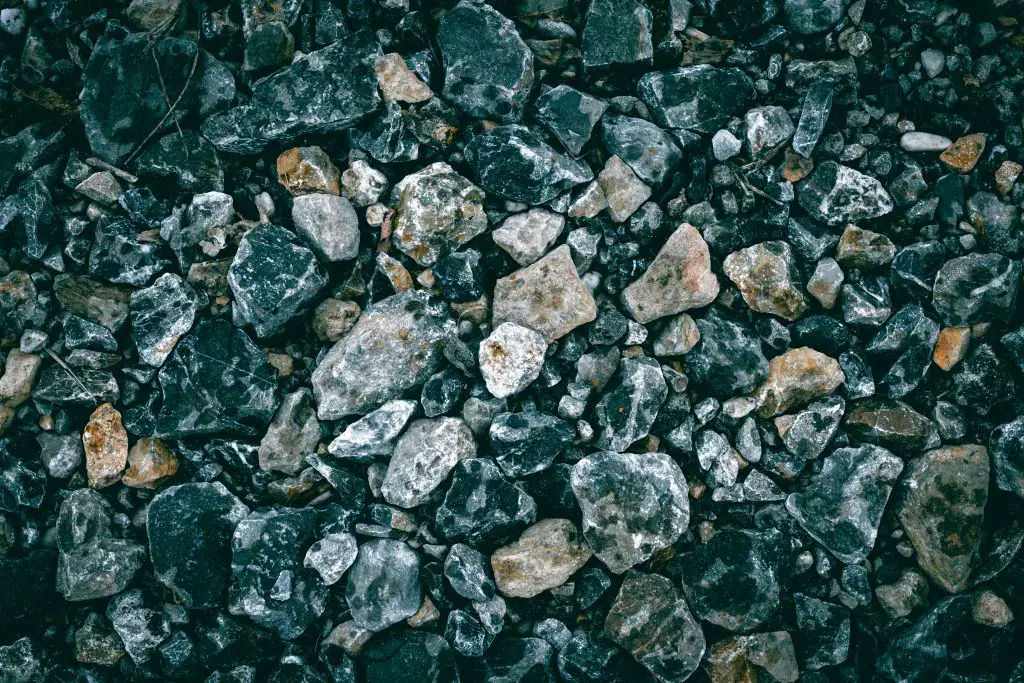
Beneficiation—the process of improving the quality of minerals through sorting, crushing, concentrating, refining or further manufacturing—can retain more skilled employment, supplier contracts, technical expertise and industrial income within producing economies. However, processing plants require dependable mineral supplies, affordable electricity, efficient transport, skilled workers, access to capital and reliable buyers. Where these conditions are absent, domestic processing requirements can increase operating costs without creating sustainable industries.
The experience of West Africa illustrates the challenge of implementing mineral beneficiation. Governments are increasingly emphasising local processing and domestic participation in mineral value chains, but infrastructure limitations, financing constraints and gaps in regulatory implementation continue to complicate the transition. Industrial policy must therefore be supported by the institutional capacity and investment conditions needed to translate commitments into operating businesses.
The Lobito Corridor demonstrates the importance of transport infrastructure in this wider effort. The existing Angolan railway connects the Atlantic port of Lobito with Luau near the Democratic Republic of the Congo border. However, the planned Zambia–Lobito Railway is a separate development that would extend the network towards Zambia’s Copperbelt. In October 2026, the Africa Finance Corporation announced preferred bidders for the 830-kilometre greenfield railway project.
Electricity remains one of the most decisive constraints for mineral beneficiation. At the African Mining Week discussions in October, a Guinean government adviser said the country generated approximately 1,000 megawatts but would require between 5,000 and 10,000 megawatts to support its wider industrialisation ambitions, including aluminium smelting. Guinea’s substantial bauxite resources offer significant industrial potential, but converting them into higher-value products requires a dependable and affordable energy supply.
Capital and policy predictability are equally important for mineral-processing investments. Mineral-processing investments require substantial upfront expenditure and long planning horizons. Investors need clear regulations, realistic production forecasts, reliable access to raw materials and confidence that government requirements will remain consistent. Zimbabwe’s lithium sector illustrates both the opportunities and the difficulties in implementing mineral beneficiation policies.
Key points
- African countries need to create conditions that make mineral processing commercially viable.
- Mineral beneficiation requires dependable mineral supplies, affordable electricity, efficient transport, skilled workers, access to capital and reliable buyers.
- Industrial policy must be supported by institutional capacity and investment conditions to translate commitments into operating businesses.
Reporting sources
- From Ore Exports to African Industry: What Mineral Beneficiation Requires · African Leadership Magazine