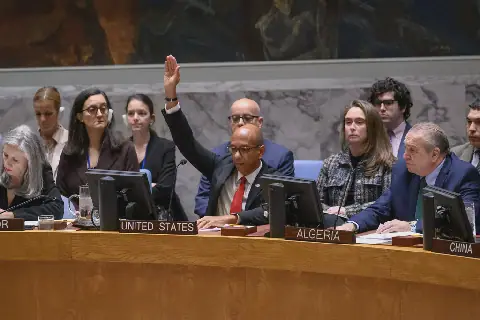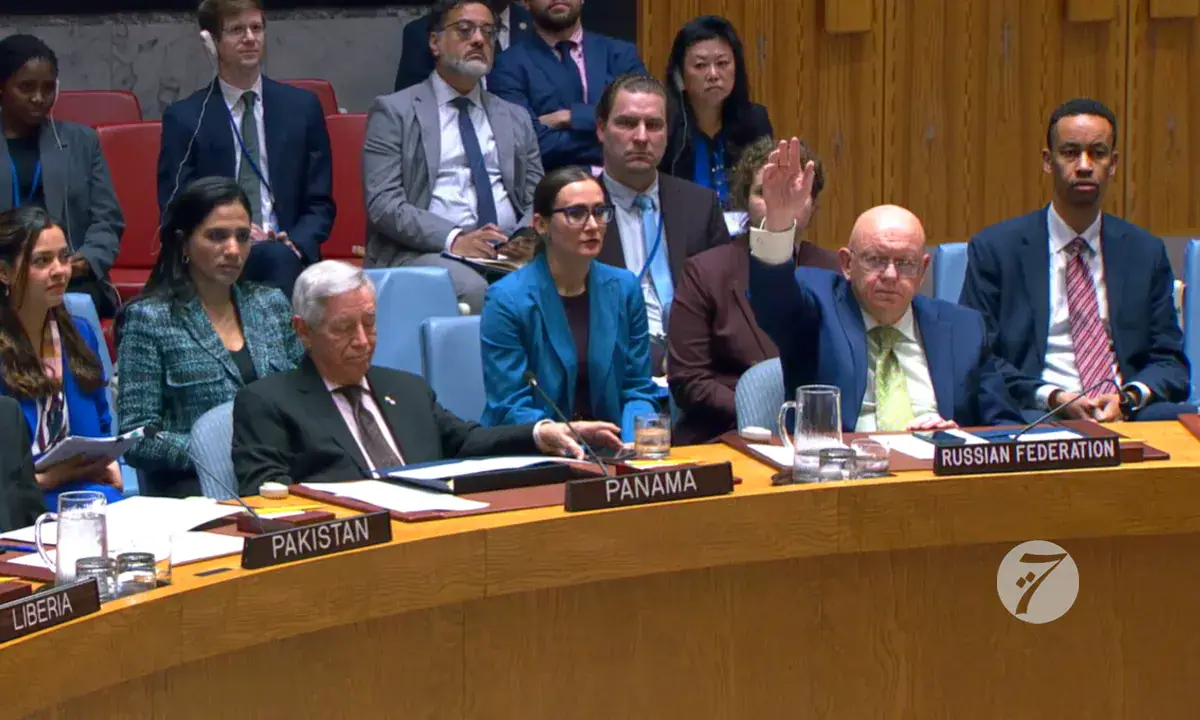
The Russian Federation has vetoed a US-drafted resolution on Western Sahara at the UN Security Council, effectively blocking the adoption of a plan that would have endorsed Moroccan autonomy proposal for the disputed territory. The vote took place on October 30, 2026, with Russia casting the sole dissenting vote. The resolution had aimed to endorse Morocco's autonomy plan as the sole basis for negotiations.
The vetoed resolution would have also modified the mandate of the UN's peacekeeping mission in Western Sahara, known as MINURSO. The mission's current mandate is set to expire soon, and the Russian veto has raised concerns about the future of the mission and the prospects for a peaceful resolution to the Western Sahara conflict. The conflict has been ongoing for decades, with Morocco and the Polisario Front vying for control of the territory.
The US had hoped to gain international support for Morocco's autonomy plan, which would grant Western Sahara a degree of self-governance under Moroccan sovereignty. However, the plan has been met with skepticism by many countries, and the Russian veto has dealt a significant blow to US efforts to gain international backing for the proposal. The veto has also highlighted the deepening divisions between Russia and the West on various international issues.
The Western Sahara conflict has been a longstanding issue at the UN, with the Security Council repeatedly calling for a peaceful resolution. The conflict began in the 1970s, when Morocco annexed the territory, leading to a decades-long dispute with the Polisario Front, which seeks independence for Western Sahara. The situation remains complex, with many countries and international organizations calling for a negotiated solution.
The Russian veto has sparked concerns about the potential consequences for the region. The veto has also raised questions about the future of the UN's peacekeeping mission in Western Sahara and the prospects for a peaceful resolution to the conflict. The situation is likely to remain a key issue at the UN, with many countries and international organizations pushing for a negotiated solution.
Morocco has long maintained that its autonomy plan is the only viable solution to the conflict, while the Polisario Front and many African countries have called for a referendum to determine the territory's future. The international community has repeatedly urged the parties to engage in negotiations to find a peaceful solution. The situation remains complex, with many countries and international organizations involved.
The US and Morocco have a long-standing strategic partnership, and the US has often supported Morocco's position on Western Sahara. However, the Russian veto has highlighted the challenges facing the US in gaining international support for its position on the issue. The situation is likely to remain a key challenge for the US and other countries seeking a peaceful resolution to the conflict.
Key points
- Russia vetoes US resolution on Western Sahara, blocking adoption of plan that would have endorsed Moroccan autonomy proposal.
- The vetoed resolution would have modified the mandate of the UN's peacekeeping mission in Western Sahara.
- The Western Sahara conflict has been a longstanding issue at the UN, with the Security Council repeatedly calling for a peaceful resolution.