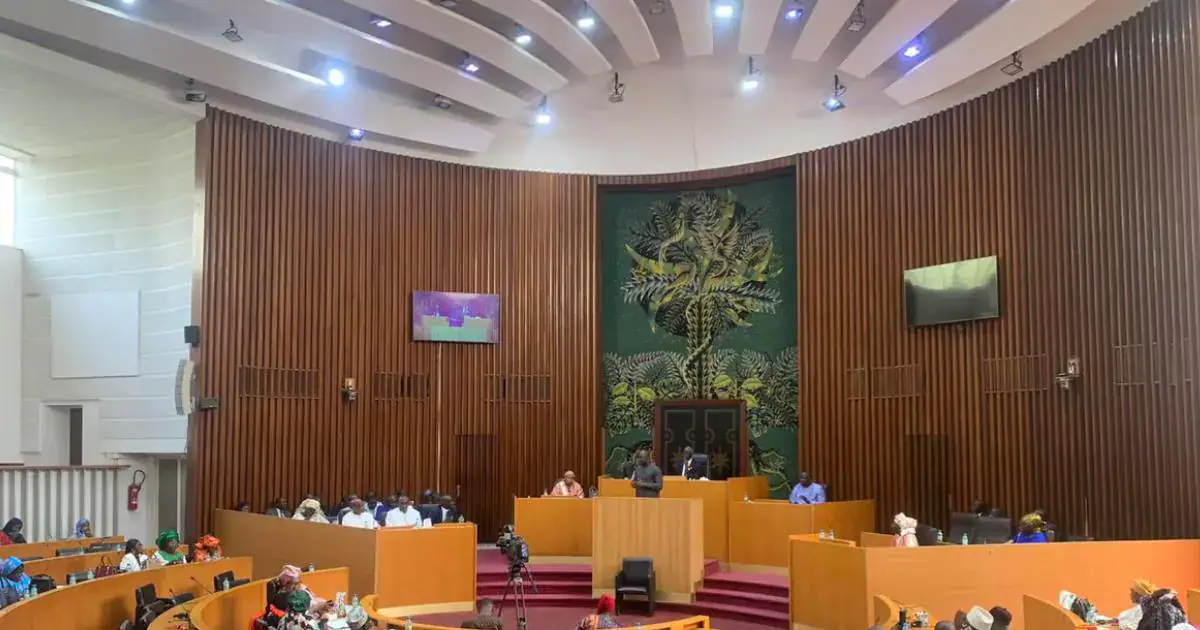
The Commission of Finance and Budget Control of Senegal's National Assembly has once again rejected the 2026 revised budget bill. This decision was made on Friday, October 30, 2026, and marks the second time the bill has been rejected. The rejection has significant implications for the country's financial management and has sparked concerns about the sustainability of Senegal's public finances.
The rejection of the revised budget bill has plunged Senegal into a deepening institutional impasse. The country's lawmakers have been struggling to pass the bill, which is crucial for the government's financial planning. The impasse has raised concerns about the potential impact on the country's economy and its ability to implement its development plans.
The Commission of Finance and Budget Control plays a critical role in scrutinizing the country's budget and ensuring that it aligns with the government's financial policies. The commission's rejection of the revised budget bill suggests that there are significant concerns about the bill's provisions and its potential impact on the country's finances.
The 2026 revised budget bill is crucial for Senegal's financial management, as it outlines the country's revenue and expenditure projections for the year. The bill's rejection has significant implications for the government's ability to implement its development plans and provide essential public services.
The Senegalese government has been working to address the country's financial challenges, including a significant budget deficit. The rejection of the revised budget bill has made it more challenging for the government to implement its financial plans and has raised concerns about the country's ability to meet its financial obligations.
The institutional impasse surrounding the revised budget bill has significant implications for Senegal's economy and its people. The country's lawmakers must work together to find a solution and pass the bill to ensure that the government can continue to provide essential public services and implement its development plans.
The rejection of the 2026 revised budget bill highlights the need for Senegal's lawmakers to work together to address the country's financial challenges. The country's economic growth and development depend on effective financial management, and the passage of the revised budget bill is crucial for achieving this goal.
Key points
- The Commission of Finance and Budget Control has rejected the 2026 revised budget bill for the second time.
- The rejection has plunged Senegal into an institutional impasse and raised concerns about the country's financial management.
- The passage of the revised budget bill is crucial for Senegal's economic growth and development.