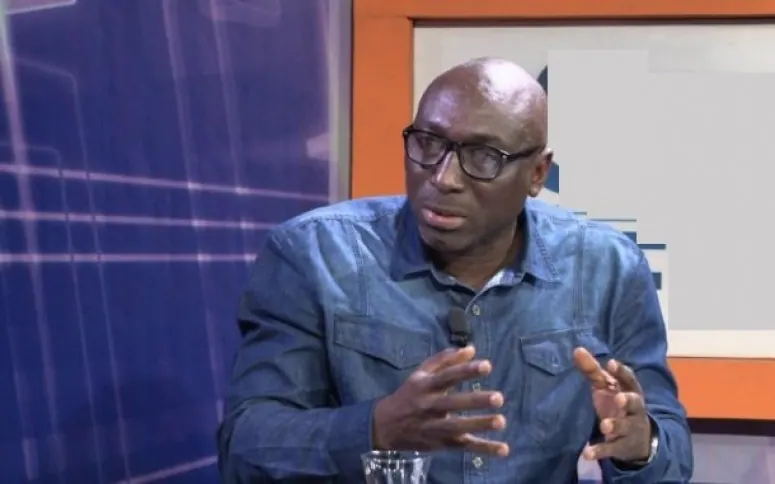
The Director-General of Ghana's National Road Safety Authority (NRSA), Abraham Amaliba, has emphasized the need for a comprehensive approach to road safety in the country. He believes that education, enforcement, road engineering, and emergency response must work together to reduce road crashes and save lives. According to Mr. Amaliba, weaknesses in any of these areas could undermine efforts to make Ghana's roads safer.
Mr. Amaliba highlighted the importance of public education in road safety, but noted that it alone would not be enough to change driver behavior if motorists believed they could ignore traffic regulations without facing punishment. He explained that road safety depended on several key interventions, including educating drivers and other road users, enforcing traffic laws, improving road infrastructure, and providing timely emergency assistance to crash victims.
The NRSA Director-General identified enforcement as a crucial aspect of road safety, stating that it was necessary to ensure compliance with traffic laws. He warned that the lack of effective enforcement could weaken the impact of road safety education, as some drivers might treat safety messages as mere advice rather than rules they were required to obey. Mr. Amaliba emphasized that enforcement was essential to making drivers take road safety seriously.
Mr. Amaliba also stressed the importance of road engineering in reducing road crashes. He pointed to the need for properly designed and maintained roads, clear road markings, visible pedestrian crossings, adequate street lighting, and functioning traffic lights. According to him, these responsibilities involved institutions mandated to construct, maintain, and manage road infrastructure.
The NRSA Director-General raised concerns about emergency response following road crashes, warning that the failure to provide timely and professional assistance could worsen the consequences for victims. He emphasized the need for Ghana to strengthen its emergency response arrangements to ensure that people involved in crashes receive appropriate care as quickly as possible.
Mr. Amaliba noted that countries that had made progress in road safety had done so by ensuring that the different parts of the system worked effectively. He expressed concern about situations in which crash victims were handled by people without the necessary training while waiting for professional assistance. According to him, this could lead to further harm or even death.
When asked which single intervention he would prioritize if given the resources to tackle road crashes, Mr. Amaliba said he would focus on enforcement. He believes that directing available resources towards ensuring that drivers complied with traffic laws would have a significant impact on road safety. Mr. Amaliba noted that drivers were more likely to exercise caution when they knew that law enforcement officers were present and that violations could attract penalties.
Key points
- Effective road safety requires a coordinated approach including education, enforcement, engineering, and emergency response.
- Enforcement is crucial to ensuring compliance with traffic laws and making drivers take road safety seriously.
- Ghana must strengthen its emergency response arrangements to provide timely and professional assistance to crash victims.