As people age, they reach a stage in life where their pace slows down, and their priorities change. This stage is commonly known as retirement. However, this term is often associated with clichés and misconceptions. Retirement is not an erasure or an end, but rather a recomposition of life, a new way of experiencing time, and sometimes, a genuine inner rebirth. It's a time for self-reflection, growth, and exploration.
In many cultures, retirement is perceived as the end of one's professional life and a withdrawal from the workforce. Nevertheless, reducing this phase to a simple "retirement" would be inaccurate. Human beings are not designed for inaction, but for movement, creativity, transmission, and connection with others. Life itself teaches us that what ceases to renew itself eventually becomes impoverished. Just like water that no longer circulates becomes stagnant, and land that is neglected loses its fertility, humans need to remain engaged.
For decades, work shapes a significant part of one's social identity. People often define themselves by their profession, sometimes more than by who they are. Therefore, retirement can create a void, as it's not just the end of a job or role, but also the loss of status, habits, relationships, and social recognition. However, this transition can also be liberating, allowing individuals to regain control over their time and prioritize life over work.
Retirement offers a rare gift: time. However, it also presents an essential question: what to do with this newfound time? Many discover that having time is not enough to give meaning to their days. The real challenge is not just occupying time but giving it direction. Retirement is not necessarily a stop; it can be a change in direction. It's an opportunity to choose a different nature, rhythm, and sense of activity.
Some people continue to work in different capacities, such as advising, training, or mentoring, while others focus on family, community, or personal projects. The paths are numerous, but one need remains: to feel useful. Retirement can become a transformation of duty into a freely chosen mission. It's a change in posture, characterized by less speed but more depth, and less constraint but more meaning.
A society's attitude towards its retirees reflects its values. In some cultures, elderly individuals are revered as wise, custodians of memory, and guardians of values. In others, retirees become increasingly invisible, as if their loss of economic function also meant a loss of social utility. This perspective is narrow. A balanced society needs the energy of its youth and the experience of its seniors.
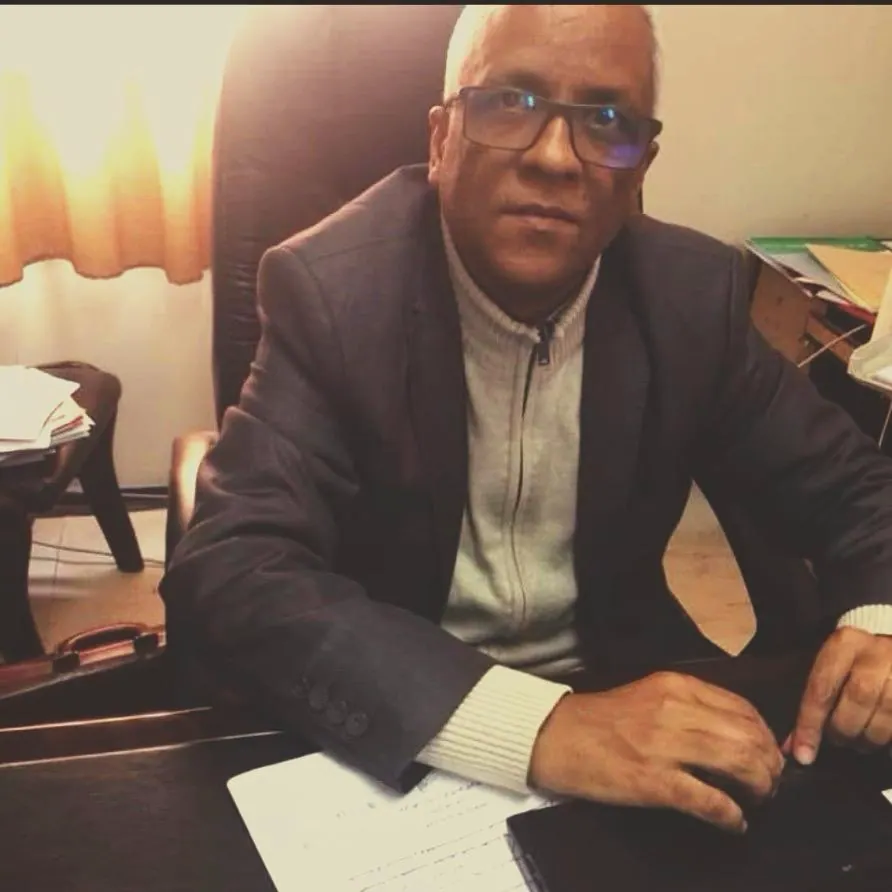
Ultimately, retirement is not a decline but an art of living. It's not the end of a cycle but the beginning of another – more free, more lucid, and perhaps more human. As Abidine Cheikhou Beyrouck, a retired HR executive, aptly puts it, retirement offers a chance to redefine one's purpose and make the most of the time available. It's a time to observe, learn, share, love, and inspire, allowing individuals to make a positive impact in their own unique way.
Key points
- Retirement is not an end, but a new beginning, offering a chance to rediscover oneself and contribute to society in different ways.