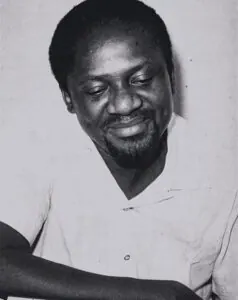
Okot p’Bitek was born in 1931 in Gulu, northern Uganda, to a school teacher father shaped by the colonial education system and a mother, an Acholi singer, dancer, and storyteller. This intersection of worlds influenced his life's work, which questioned what Africans had been taught to admire. His writings, including "Song of Lawino," critiqued the adoption of European ways and the loss of African identity. p’Bitek's work continues to resonate with contemporary debates on decolonizing African knowledge.
p’Bitek's work, "African Religions in Western Scholarship," critiqued Western scholarship's tendency to explain African religious thought through foreign categories. He termed this "intellectual smuggling," arguing that African realities were being repackaged and returned to Africans as knowledge about themselves. This issue persists, with many African scholars calling for the decolonization of African knowledge. However, little attention has been paid to the search for an "African identity" within Western scholarship models.
The concept of "Ape Manship" is central to p’Bitek's work, describing the tendency to imitate Western culture. This phenomenon is reinforced by Western-oriented education, shaping how Africans understand their culture, knowledge, and identity. The French philosopher Jean-Jacques Rousseau's idea that "man is born free" is contrasted with p’Bitek's observation that man is not born free and remains in chains, owing obligations to society.
The education system plays a significant role in perpetuating "Ape Manship." African youth are encouraged to imitate Western culture, often at the expense of their own. This is reflected in the adoption of Western names, music, and art, which can lead to a disconnection from African culture. p’Bitek argued that Africans must employ their own ingenuity in reconstructing their society and institutions in their own way.
The separation of African children from their families and cultural environments through education contributes to the erosion of African culture. The emphasis on passing examinations and adopting Western outlooks reinforces this split. As a result, many Africans struggle to connect with their cultural heritage, leading to a form of brainwashing that prioritizes Western culture over African traditions.
The impact of this education system is evident in the way many Africans interact with their own languages and cultural materials. For example, some Africans may struggle to read newspapers or books written in their native languages, preferring those written in English. This phenomenon is a result of the conditioning imposed upon them through early education, which often prioritizes Western culture over African traditions.
Okot p’Bitek's work remains relevant today, as Africans continue to grapple with the legacy of colonialism and the search for an authentic African identity. His critique of Western-oriented education and the concept of "Ape Manship" serves as a reminder of the need for Africans to reclaim their cultural heritage and prioritize their own knowledge and traditions.
Key points
- Okot p’Bitek's work critiques the adoption of Western culture and the loss of African identity.
- The education system plays a significant role in perpetuating "Ape Manship" and the erosion of African culture.
- Africans must employ their own ingenuity in reconstructing their society and institutions in their own way.