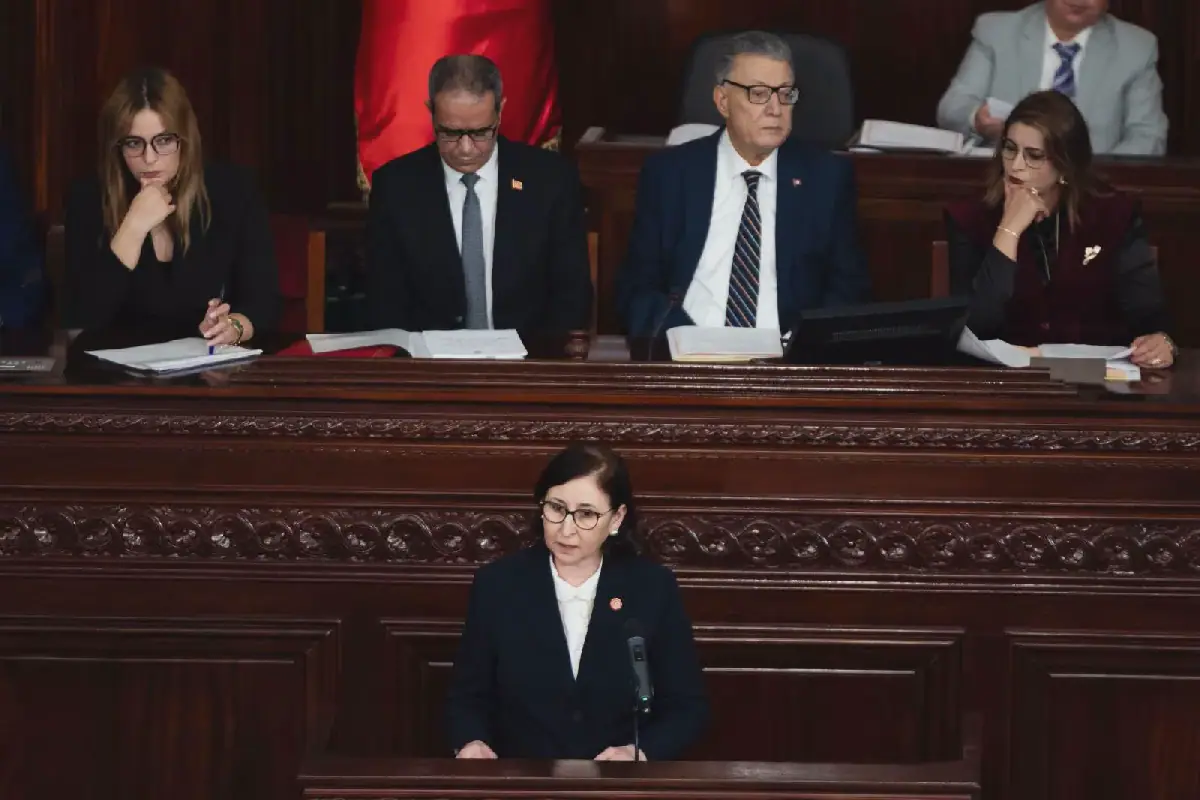
The Tunisian government has outlined its plans to reduce energy imports and lower its current deficit in the 2027 budget. According to the Head of Government, Sarra Zaafrani Zenzri, the country expects to decrease energy imports in 2027 compared to the record high in 2026. This reduction is anticipated to ease pressure on the country's external balances. The government's projections are based on an expected improvement in export performance and tourism revenues.
The current deficit is predicted to decline to 3.7% of GDP in 2027, down from 3.9% in 2026. This decrease is attributed to growth in exports of goods and services, tourism revenues, and continued transfers from Tunisians living abroad. The government is optimistic about the performance of various sectors, including mechanical and electrical industries, phosphates and derivatives, agriculture, and agri-food industries.
The government has identified diversifying exports and expanding the base of exporting companies as key priorities for its export policy in 2027. Efforts will focus on enhancing the competitiveness of the national economy and strengthening its ability to access foreign markets. The tourism sector is also expected to grow, with a projected 5.2% increase in value added in 2027, up from 4.9% in 2026.
Tourism revenues are forecast to rise by 5.9% in 2027, compared to 5.6% in 2026. The government plans to support and modernize the tourism sector, diversify its offerings, and encourage investment. This includes developing infrastructure, improving service quality, and promoting digital transformation and health tourism.
Despite expected lower energy imports, the government acknowledges that the energy deficit will remain a significant pressure on external balances. Tunisia's reliance on imports to meet a substantial portion of domestic demand exposes the energy balance to fluctuations in global prices. The government's forecasts assume a global oil price of around $80 per barrel in the 2027 budget.
To address these challenges, the government will continue to work on strengthening energy sovereignty, accelerating energy transition projects, and developing renewable energies. The goal is to reduce dependence on energy imports and mitigate the vulnerability of the energy balance. These efforts aim to promote sustainable economic growth and improve the country's external financial position.
The 2027 budget priorities reflect the government's commitment to addressing key economic challenges and promoting sustainable growth. By focusing on export diversification, tourism development, and energy sustainability, Tunisia aims to achieve a more balanced and resilient economy. The implementation of these plans will be crucial in meeting the country's economic objectives and improving living standards for its citizens.
Key points
- The Tunisian government plans to reduce energy imports and lower the current deficit to 3.7% of GDP in 2027.
- The government aims to diversify exports and expand the base of exporting companies to enhance economic competitiveness.
- The tourism sector is expected to grow, with a projected 5.2% increase in value added in 2027.
Reporting sources
- Radio Tunis Chaîne Internationale · Radio Tunis Chaîne Internationale