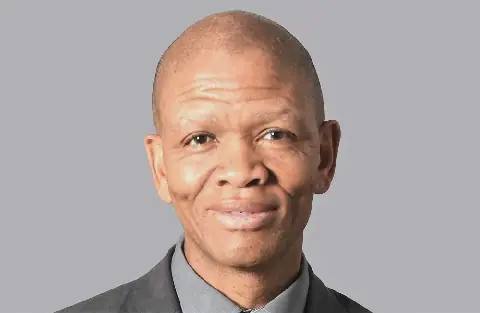
Dr. Cé Avis Gamy, Special Prosecutor near the juvenile court, has spoken out about the worrying trend of children engaging in regrettable and unlawful practices in Guinea. He described the situation as a national concern that requires a collective response from all stakeholders, including parents, educators, and the community at large. The phenomenon has gained significant traction across the country, sparking concerns about the well-being and future of Guinean youth.
Dr. Gamy emphasized that the law holds parents accountable for their children's actions, citing Article 956 of the Penal Code, which stipulates that neglecting parental obligations can result in fines of up to 400,000 Guinean francs or even imprisonment. He urged parents to take their responsibilities seriously, ensuring their children attend school and adhere to societal norms. The prosecutor's stance has sparked debate, with some questioning the feasibility of enforcing such laws given the economic challenges faced by many families.
The Special Prosecutor acknowledged that the education system in Guinea faces challenges, including a lack of attractiveness, which may contribute to school absenteeism and juvenile delinquency. He suggested that the system needs to adapt to the country's realities and that a holistic approach is required, involving the state, educators, parents, and children themselves. Dr. Gamy, a former teacher, noted that efforts are underway to reform the education sector, particularly at the secondary level.
The issue of children using social media has become a pressing concern, with Dr. Gamy announcing measures to curb the phenomenon. In schools, students found with smartphones will face disciplinary actions, and their guardians will be held accountable. The prosecutor emphasized that these measures aim to ensure the safety and morality of educational institutions. He also highlighted the importance of collaboration between law enforcement agencies, social services, and partner organizations.
Dr. Gamy stressed that the goal is not to systematically incarcerate children but to strike a balance between disciplinary actions and educational support. When children are apprehended, the focus is on sensitization and community service, in partnership with social services and relevant structures. The prosecutor underscored the importance of reintegrating children into society, recognizing their potential as future leaders.
Despite official bans, many children continue to be seen on the streets and markets during school hours. Dr. Gamy described this as a flagrant infringement on compulsory education, announcing joint patrols by police, gendarmerie, and child protection services to target hotspots. Parents and guardians found culpable will face severe sanctions, as the law prioritizes children's right to education over economic exploitation.
In conclusion, Dr. Cé Avis Gamy called on all stakeholders to join forces in protecting Guinean youth from these trends. He emphasized that safeguarding childhood is a collective responsibility that demands synergy among citizens, parents, educators, community leaders, and development partners. By working together, Guinea can ensure a brighter future for its young people, characterized by peace, prosperity, and opportunities for growth.
Key points
- Dr. Cé Avis Gamy urges collective responsibility in addressing juvenile delinquency and child protection in Guinea.
- The Special Prosecutor emphasizes the importance of parental accountability and educational reform.
- Dr. Gamy calls for a balanced approach between disciplinary actions and educational support for children.