Poor service delivery is expected to be a major issue in South Africa's 2026 Local Government Elections. Many communities still struggle with water shortages, electricity cut-offs, poor sanitation, pothole-ridden roads, and sewage pollution in rivers. Despite promises from political parties and municipal administrations, access to basic services remains a challenge over two decades after the first democratic municipal elections in 2000.
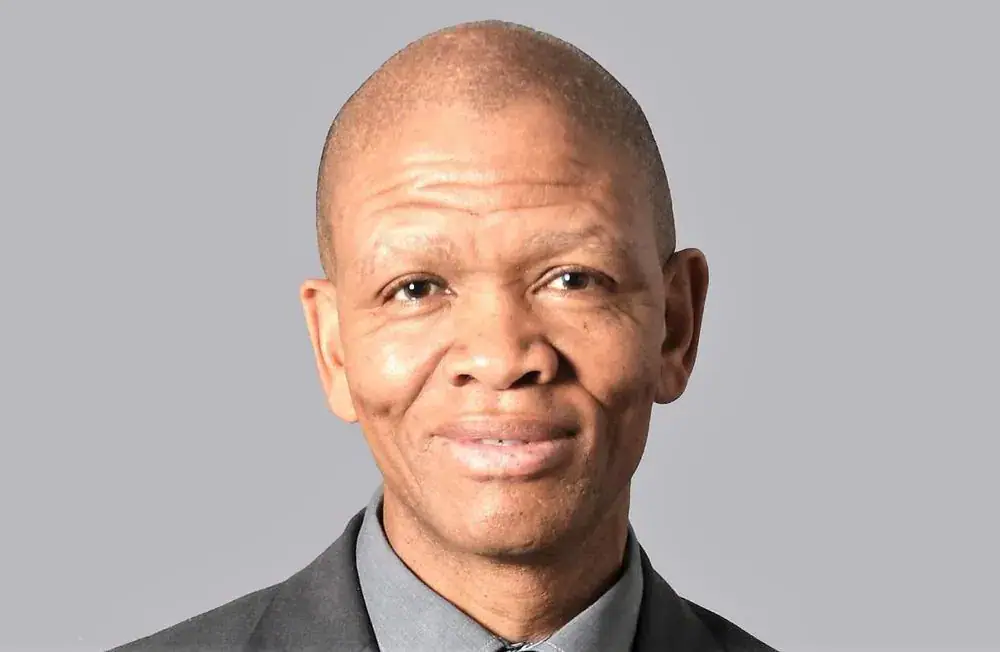
Professor Kealeboga Maphunye, an independent researcher, attributes the struggles to poor leadership, unaccountable officials, and limited municipal funds. He notes that some initial problems were understandable due to apartheid's legacy, but continued failures indicate serious weaknesses in municipal management. Politically motivated appointments, councillors' failure to report back to residents, and unethical conduct have further weakened municipalities.
Residents are increasingly frustrated, visible through community protests and threats not to vote. Maphunye describes this as conditional voter apathy, where residents say they will not participate until their service delivery complaints are addressed. Frustration goes beyond basic services; it's also about feeling ignored by elected representatives. This dissatisfaction alienates citizens, weakens municipal legitimacy, and creates anger towards the political system.
Corruption exacerbates the problems, with wasteful expenditure, financial mismanagement, tender corruption, and criminal groups like the 'water tanker mafia' and 'construction mafia'. Weak action against wrongdoing allows these issues to persist. The killing of local councillors raises concerns about safety, political tensions, and municipal functionality. These problems threaten municipal survival and may discourage residents from voting.
As the 2026 local government elections approach, political parties must account for their municipal performance and explain intended changes. Residents will look beyond election promises and ask why long-standing problems remain unresolved. Maphunye argues that South Africa needs a complete overhaul of its municipal system, not piecemeal changes, requiring political will to address poor service delivery, corruption, and weak administration.
The challenge is not just to promise better services but to ensure municipalities have the leadership, skills, resources, and commitment to deliver. Residents who have lived with leaking pipes, dry taps, and broken roads for years wonder how much longer they must wait. As voters prepare to make their choices, local government may repeat past promises, with communities demanding tangible results.
With the 2026 local government elections nearing, it remains to be seen whether political parties can regain residents' trust by addressing their concerns and delivering basic services. The electorate's patience is wearing thin, and the consequences of inaction may be severe. Ultimately, the success of the 2026 local government elections will depend on the ability of municipalities to provide satisfactory services and demonstrate a commitment to change.
Key points
- Poor service delivery is likely to influence voters in South Africa's 2026 Local Government Elections.
- Corruption and weak administration have weakened municipalities' ability to provide services effectively.
- A complete overhaul of the municipal system is needed to address the challenges facing local government.