Thandazo, a young woman from South Africa, has experienced palliative care firsthand. Born with gastroschisis, a rare condition where intestines develop outside the abdomen, she faced life-threatening complications and underwent surgery. She spent much of her childhood at Lambano Sanctuary's Children's Medical and Palliative Care Step-Down Facility, where she received ongoing care. Years later, she qualified as a health promotion officer and returned to Lambano to support other families living through difficult periods of care.
Thandazo's story challenges common assumptions about palliative care, which is often associated with end-of-life care. However, palliative care is a broader concept that focuses on supporting quality of life by managing pain and symptoms, and responding to psychological, social, and spiritual effects of serious illness. In South Africa, the National Policy Framework and Strategy on Palliative Care, introduced in 2017, defines palliative care as care that can begin from diagnosis.
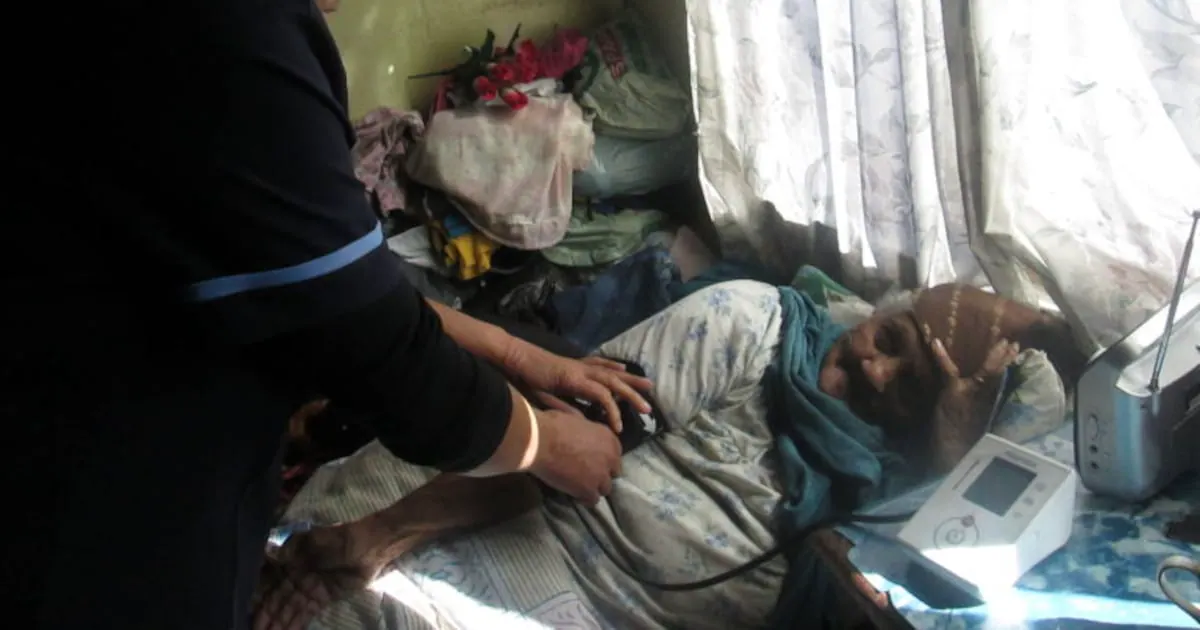
Despite this, many families encounter palliative care late in the process. Family caregivers play a crucial role in caring for people with serious illnesses, often taking on responsibilities such as medication management, hygiene, nutrition, and symptom monitoring. To address this need, Greendale House Palliative & Hospice Care Centre developed a training programme for caregivers in Soweto communities, covering topics such as symptom awareness, safe mobility, and caregiver self-care.
The training programme had a positive impact on caregivers, who reported feeling better equipped to care for their relatives. However, they also highlighted the emotional burden of caregiving and the need for continued practical guidance. This underscores the importance of palliative care in providing continuity between the healthcare team and daily reality.
Palliative care does not require specialist care, but rather a conversation guided by the patient's and family's experiences. It can be added to existing treatment plans, with both teams contributing their expertise. Across South Africa, members of the Association of Palliative Care Centres are providing support in homes, communities, and inpatient units.
However, many people are unaware of what palliative care entails or believe it should only be sought at the end of life. To raise awareness, the Association of Palliative Care Centres launched a campaign for World Hospice and Palliative Care Day on October 10, encouraging South Africans to imagine a scenario where every person who could benefit from palliative care receives it.
Thandazo's life is a testament to the impact of palliative care. Her story highlights the importance of timely access to palliative care, which can make a significant difference in the lives of patients and families. By raising awareness and promoting a broader understanding of palliative care, it is possible to create a future where families do not have to find their way to palliative care only after reaching a crisis point.
Key points
- Palliative care in South Africa goes beyond end-of-life care, supporting patients and families through serious illnesses.
- Timely access to palliative care can significantly impact patients' and families' lives.
- Raising awareness about palliative care is crucial to promote its benefits and encourage early access.