In the wake of a three-year conflict, Gaza's healthcare system is on the verge of collapse. A nine-year-old girl, Nasserin Abushqfa, from the Beach refugee camp in northern Gaza, is fighting for her life. She suffers from immune thrombocytopenia, a rare blood disorder that requires regular medical attention. However, with the healthcare system in shambles, her chances of survival are dwindling. Her platelet count has dropped to alarmingly low levels, and she is in dire need of specialized care.
Nasserin's condition is a stark reminder of the devastating impact of the conflict on Gaza's healthcare system. The girl's mother, Jamila Hassi, revealed that Nasserin has been experiencing severe bleeding episodes, and her condition has worsened due to the lack of medical supplies and equipment. The family is struggling to access basic medical care, and Nasserin's life is hanging in the balance. Her case highlights the desperate need for humanitarian intervention to address the healthcare crisis in Gaza.
The conflict has left Gaza's healthcare system in tatters. According to Dr. Khalil Al-Daqran, spokesperson for the Palestinian Ministry of Health, the Israeli occupation has deliberately restricted the entry of medical supplies and equipment, leading to a catastrophic shortage of essential medicines. The situation is dire, with many hospitals operating at reduced capacity and some on the brink of closure. The lack of medical supplies, including painkillers, antibiotics, and anesthetics, has forced doctors to make difficult decisions about who to treat and who to turn away.
The crisis has also had a profound impact on the well-being of Gaza's population. With over 80% of residents displaced and living in overcrowded and unsanitary conditions, the risk of disease transmission is high. The spread of infectious diseases, including respiratory and gastrointestinal illnesses, is a major concern. The healthcare system is struggling to cope with the influx of patients, and many medical staff are working in difficult conditions without regular salaries.
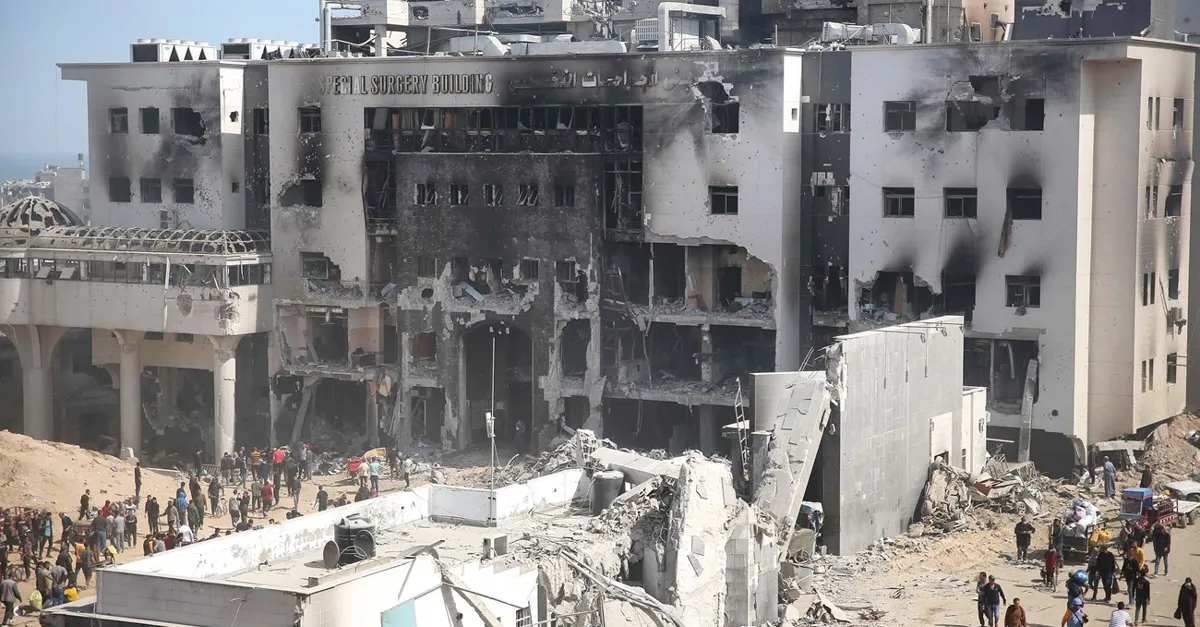
The destruction of medical infrastructure has exacerbated the crisis. According to Dr. Al-Daqran, 22 hospitals have been destroyed or put out of service, and many medical facilities have been damaged or looted. The loss of medical equipment, including life-saving devices, has severely compromised the ability of hospitals to provide adequate care. The situation is further complicated by the lack of fuel, which has forced hospitals to ration electricity and rely on backup generators.
The humanitarian situation in Gaza continues to deteriorate. The Israeli occupation's restrictions on the entry of medical supplies and equipment have had a devastating impact on the healthcare system. The international community has been urged to intervene to address the crisis. The Palestinian Ministry of Health has called for an immediate ceasefire and the lifting of restrictions on the entry of medical supplies and equipment.
The long-term consequences of the crisis are dire. The destruction of medical infrastructure and the loss of medical personnel will have a lasting impact on Gaza's healthcare system. The situation is a stark reminder of the need for sustained humanitarian intervention to address the crisis. The international community must act quickly to prevent further suffering and loss of life in Gaza.
Key points
- Gaza's healthcare system is on the verge of collapse after three years of conflict.
- The Israeli occupation's restrictions on medical supplies and equipment have exacerbated the crisis.
- The humanitarian situation in Gaza continues to deteriorate, with a high risk of disease transmission and a shortage of medical care.