Nigeria's football community is reeling after the Super Eagles failed to qualify for the 2026 FIFA World Cup, with allegations emerging that FIFA ignored its eligibility rules to award DR Congo a playoff slot. The controversy centers around DR Congo's use of goalkeeper Lionel Mpasi, who had not completed the necessary paperwork to switch his international allegiance from France. Despite FIFA lawyers acknowledging the irregularity in March 2026, no action was taken, and DR Congo went on to secure a spot in the World Cup.
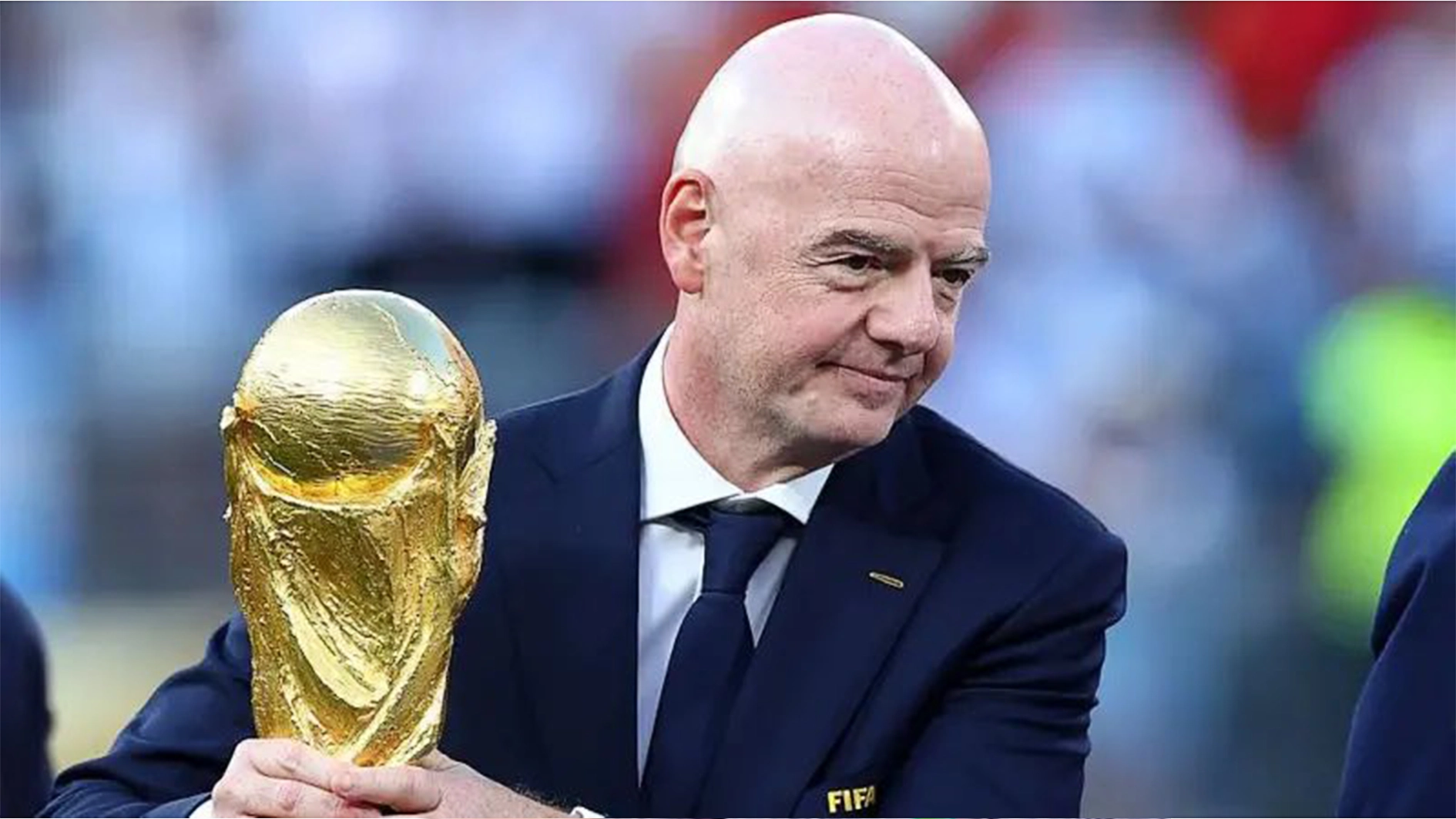
The Nigeria Football Federation (NFF) had filed a protest with FIFA, but it was deemed inadmissible, and the decision was communicated to the NFF in early March 2026. FIFA's judicial bodies claim to be autonomous, but the NFF's Alhaji Ibrahim Gusau lambasted the organization for its silence, suggesting that FIFA's inaction would lead to a serious crisis. The controversy has added fuel to allegations of corruption surrounding FIFA and its president, Gianni Infantino.
Infantino's alleged ties to Véron Mosengo-Omba, the head of Congolese football, have raised questions about favoritism. Mosengo-Omba and Infantino attended the same university in Switzerland, and Mosengo-Omba has been a long-time supporter of Infantino. The NFF's leadership has been criticized for its lack of strategic planning and failure to effectively navigate global football politics.
The incident has sparked debate about FIFA's consistency in enforcing player eligibility rules. In the past, FIFA has penalized teams for fielding ineligible players, including Malaysia and Bolivia. However, Nigeria's case appears to have been treated differently, with some suggesting that Infantino's relationship with Mosengo-Omba played a role in the decision.
The NFF's handling of the situation has also come under scrutiny. Former NFF chairman Amaju Pinnick had previously described Infantino as a "Friend of Nigeria," but the organization's inaction has raised questions about its ability to advocate for the country's interests. The Nigerian Sports Ministry's decision not to push for a neutral venue in crucial matches has also been criticized.
The controversy has sparked calls for Nigeria to become more involved in football politics. Former Nigeria international Harrison Jalla has alleged that the NFF concocted a "fake" petition against DR Congo to divert attention from its mismanagement of the country's bid to qualify for the World Cup. The incident has highlighted the need for stronger leadership and strategic planning within the NFF.
As the fallout continues, Nigerians are left to ponder what could have been if their team had participated in the World Cup. The country's football community is demanding answers and action, with many calling for greater transparency and accountability within FIFA and the NFF. The incident has also raised questions about the future of Nigerian football and the need for reform.
Key points
- FIFA's alleged favoritism towards DR Congo has sparked controversy and renewed allegations of corruption within the organization.
- The incident has highlighted the need for stronger leadership and strategic planning within the NFF.
- Nigeria's football community is demanding greater transparency and accountability within FIFA and the NFF.