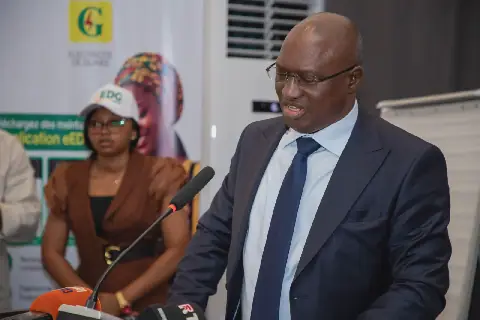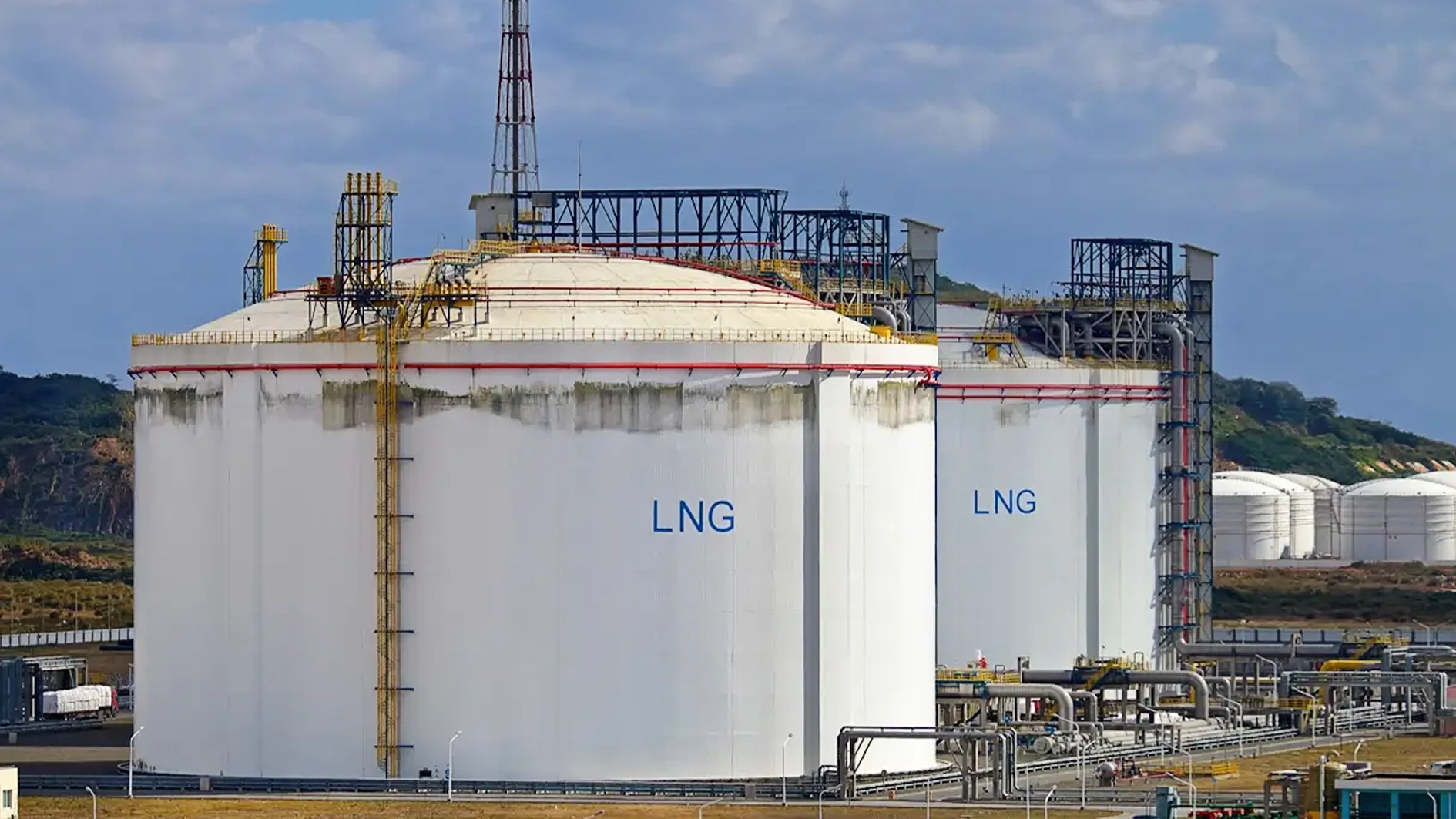
Nigeria's ability to maintain its position in the global liquefied natural gas (LNG) market and advance domestic gas projects relies heavily on production-ready infrastructure, operational efficiency, and timely project execution. According to Iretomiwa Odusote, Regional Segment Leader for Energies and Chemicals in West Africa at Schneider Electric West Africa, possessing abundant gas reserves is no longer enough. The region's substantial gas resources must be matched by infrastructure capable of supporting rapid project development and sustained production.
Odusote emphasized that operators are under increasing pressure to commercialize projects rapidly and generate returns on significant capital investments. Success will be measured by three key outcomes: speed to first gas, operational safety and reliability, and sustained production efficiency over the life of the asset. Nigeria remains a major player in the global LNG market, accounting for 3.4 per cent of global LNG exports, and is pursuing domestic gas-to-power projects to support power generation and economic development.
The World LNG Report 2026 of the International Gas Union cited Nigeria as the world's seventh-largest LNG exporter. Odusote noted that the race to bring new projects into production is becoming more important as global LNG markets become increasingly competitive. Gas projects are capital-intensive, and once projects receive final investment approval, operators face immediate pressure to begin production and commercialize output quickly.
Nigerian and other West African projects are now competing for investment capital and long-term customers with developments in the United States, Qatar, Australia, East Africa, and other producing regions. The ability to deliver projects on schedule and begin production safely is becoming a genuine competitive advantage. However, achieving first gas will not guarantee the long-term success of a project, as operators must manage equipment reliability, energy consumption, production efficiency, and maintenance after facilities become operational.
Odusote identified fragmented operational data and limited visibility across production processes as issues that could undermine efficiency in gas facilities. Many facilities struggle with these issues, which often remain hidden until they begin affecting production, reliability, or profitability. Greater access to real-time operational information could allow operators to monitor equipment health, energy consumption, production efficiency, and process performance from a unified operational environment.
The executive highlighted the need to integrate electrification systems, process automation, safety systems, and digital technologies during project development. The traditional approach of treating them as separate workstreams could create integration challenges. Odusote emphasized that the region's gas opportunity would ultimately depend on its ability to convert reserves and investment into reliable, sustained production.
The next generation of successful gas projects will be distinguished not only by the size of their reserves but by how quickly they achieve first gas, how consistently they operate, and how effectively they leverage integrated infrastructure and digital technologies to sustain production over decades. With the right infrastructure and operational efficiency, Nigeria can continue to play a significant role in the global LNG market and support its domestic economic development.
Key points
- Nigeria's gas future depends on production-ready infrastructure, operational efficiency, and timely project execution.
- The country must convert its abundant gas reserves into reliable, sustained production to remain a major player in the global LNG market.
- Integrating electrification systems, process automation, safety systems, and digital technologies is crucial for the success of gas projects.