A new emergency transport system has been launched in South Sudan to provide lifesaving care to mothers and babies in isolated communities. On September 21, a pregnant woman in a remote town was rushed to Mother Teresa Hospital on a motorcycle ambulance, marking a successful first-day test of the system. The ambulance, funded by the MAMA Project, is part of a network of community clinics and hospitals working together to provide emergency care. This development comes as South Sudan faces high maternal and neonatal mortality rates.
South Sudan has the world's highest estimated neonatal mortality rate, with one in 25 babies dying within their first 28 days of life, according to United Nations data. The country also has one of the world's highest maternal mortality rates, with an estimated 692 deaths per 100,000 live births in 2023. Local health workers report a positive impact from the new transport system, with no neonatal deaths and no maternal deaths reported so far. Joseph Makuach, health coordinator for Transformation of the World in Christ (TWIC), said the system has provided "good news" for the community.
The motorcycle ambulance system is designed to reach isolated communities, including displacement camps, and transport women in labor and patients experiencing obstetric emergencies to equipped healthcare facilities. The system is supported by a network of six primary health care clinics serving rural communities and internally displaced people. These clinics are located in Ayak Makot, Biemnhom, Bombil, Akotong, Madou, and Gogrial West. The motorcycle ambulances, built in Uganda, have proved effective in navigating difficult terrain.
The vehicles have drivers and fuel available to respond to emergency situations. Community members contact TWIC staff, who coordinate with drivers and receiving hospitals. The motorcycle ambulances can navigate narrow, damaged roads and can be pushed free when stuck in mud. This flexibility is crucial in South Sudan's challenging terrain, particularly during the rainy season.
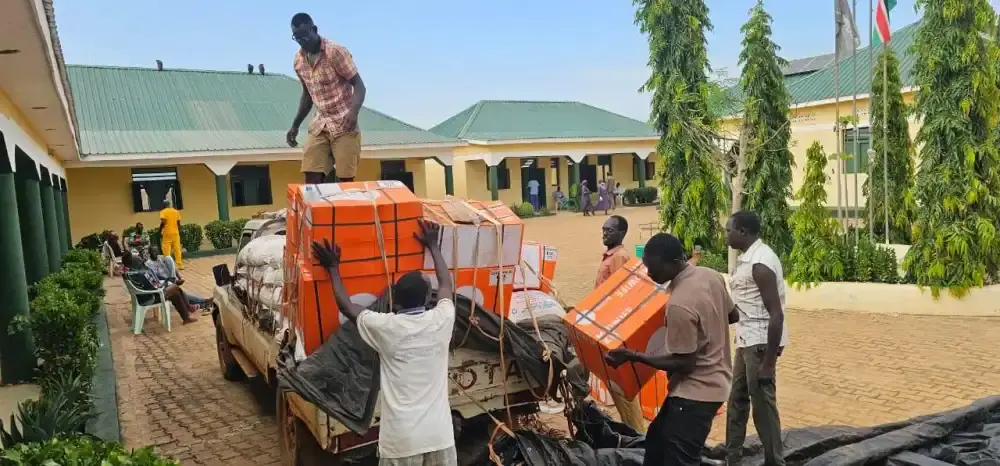
In addition to transportation, essential medical supplies are also being provided to support safer deliveries. Direct Relief recently provided 15 midwife kits to Mother Teresa Hospital, Lighthouse Hospital in Aweil, and nursing and midwifery partners associated with Juba Teaching Hospital. The donated supplies include sterile gauze, gloves, umbilical cord clamps, and disinfectants. These kits aim to address the shortages of essential medical supplies faced by Mother Teresa Hospital.
The partnership between TWIC, Direct Relief, and the MAMA Project aims to reduce maternal and neonatal mortality rates in South Sudan. The new emergency transport system and provision of midwife kits are critical steps towards achieving this goal. By improving access to emergency care and essential medical supplies, the project hopes to make a significant impact on the health and well-being of mothers and babies in isolated communities.
The success of the motorcycle ambulance system and midwife kit distribution will be closely monitored. Health workers will continue to report on the impact of the system, and adjustments will be made as needed. With continued support and collaboration, the project aims to sustain and expand its efforts to reach more communities and reduce maternal and neonatal mortality rates in South Sudan.
Key points
- The motorcycle ambulance system has been successfully tested, with a pregnant woman rushed to Mother Teresa Hospital on September 21.
- South Sudan has the world's highest estimated neonatal mortality rate and one of the world's highest maternal mortality rates.
- The project provides essential medical supplies, including midwife kits, to support safer deliveries and address shortages in healthcare facilities.
Reporting sources
- In South Sudan, New Lifelines for Mothers and Babies · pachodo.org