In Senegal's Delta du Saloum, a project aimed at creating green jobs for women and young people has achieved significant results. Launched two years ago, the initiative has established 15 cooperatives and impacted over 1,500 people. The project's focus on sustainable use of natural resources has led to the creation of various economic activities, improving livelihoods and promoting environmental conservation.
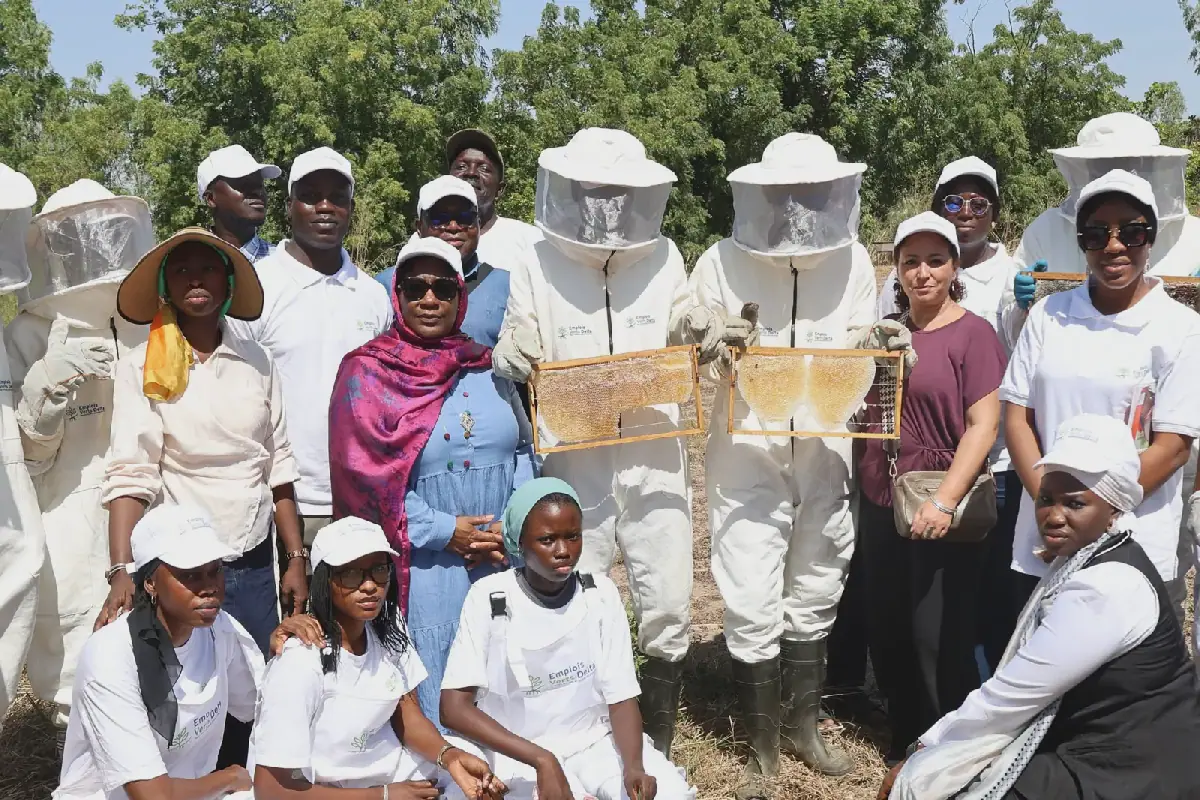
A recent field visit by Aminata Maiga, UN Resident Coordinator in Senegal, and Samira Daoud, Director of the International Labour Organization (ILO) for Senegal, Gambia, and Guinea-Bissau, showcased the project's progress. The delegation visited several cooperatives, including Ndami Ndam's oyster purification unit, a mangrove apiary, and SCOPAO's oyster farm. These initiatives demonstrate the potential of sustainable natural resource management for local economic development.
The project's integrated approach combines decent employment promotion, entrepreneurship, social protection, innovation, and product labeling, while prioritizing ecosystem preservation. This holistic strategy has contributed to improved incomes, enhanced skills, and better market access for beneficiaries. By adopting a comprehensive approach, the project aims to ensure the long-term sustainability of its achievements.
One of the project's notable successes is the improvement in living conditions for beneficiary communities. By creating economic opportunities and promoting sustainable practices, the initiative has helped to address some of the region's socio-economic challenges. As the project continues to evolve, its impact on local communities is expected to grow.
However, sustaining these gains is now a major challenge. The project's steering committee, comprising administrative authorities, technical services, professional organizations, and local communities, discussed the issue of activity sustainability during a recent meeting. Ensuring the long-term viability of these initiatives is crucial for their continued success.
The project's model has sparked interest in potential replication in other Senegalese regions. If expanded, it could provide more economic opportunities for women and young people while promoting sustainable resource management. This prospect aligns with the project's goals of creating jobs and supporting environmental conservation.
As the project moves forward, its focus on green jobs and sustainable development is likely to have a lasting impact on the Delta du Saloum region. By supporting eco-friendly economic activities and promoting social inclusion, the initiative can help to drive positive change and improve livelihoods for local communities.
Key points
- The project has established 15 cooperatives and impacted over 1,500 people in Senegal's Delta du Saloum region.
- The initiative promotes sustainable use of natural resources and decent employment for women and young people.
- The project's model may be replicated in other Senegalese regions to expand economic opportunities and support environmental conservation.