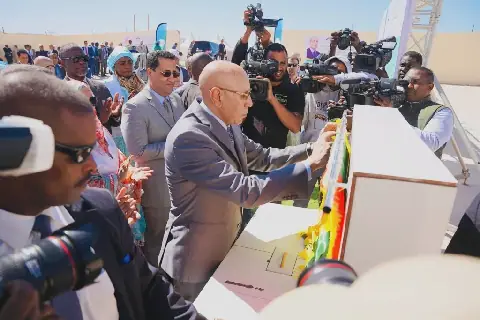
Namibia has launched a petroleum storage and regional pipeline project in Walvis Bay on the country's west coast, with an estimated investment of $2.5 billion. The project aims to strengthen fuel security and improve supplies to neighboring countries. The investment will expand the country's petroleum storage capacity and help secure fuel supplies for Namibia and landlocked countries in the region amid disruptions to international oil markets.
Namibian President Netumbo Nandi-Ndaitwah said the country's strategic location, particularly the Port of Walvis Bay and its established transport corridors, offered important advantages for regional petroleum distribution and trade. The project will include a storage facility with a planned capacity of 600 million liters, comprising 360 million liters of diesel and 240 million liters of petrol.
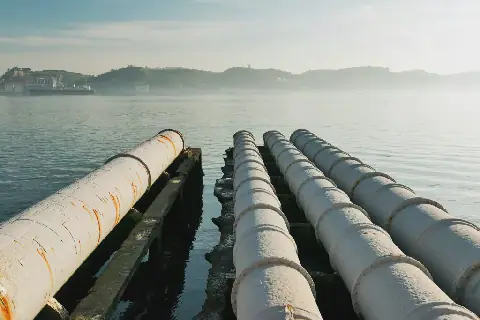
The Dangote Namibia Tank Farm and Regional Pipeline Project, led by Nigerian conglomerate Dangote Group, will also feature a regional pipeline network spanning approximately 1,700 km to connect Walvis Bay with inland markets in Southern Africa. The pipeline will extend from Walvis Bay towards Otjiwarongo, with connections northwards towards Rundu and eastwards towards Ghanzi and Francistown in Botswana.
The wider distribution network is intended to serve Botswana, Zambia, Zimbabwe, Malawi and the southern part of the Democratic Republic of the Congo. President Nandi-Ndaitwah called for Namibians to be given priority in employment opportunities arising from the project, followed by other Africans.
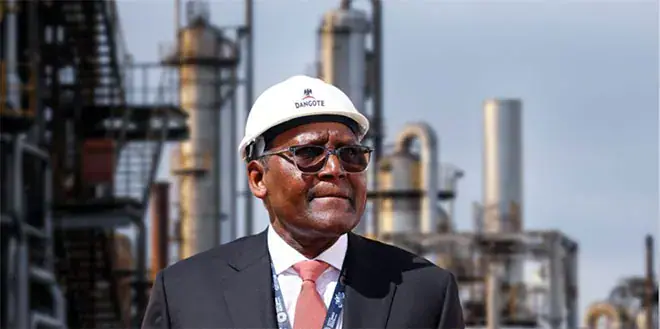
According to Aliko Dangote, president and chief executive of Dangote Group, the project will help secure fuel supplies for Namibia and landlocked countries in the region. The project is seen as a significant investment in the region's energy infrastructure.
Namibia has been seeking to expand trade and investment cooperation with Nigeria, building on longstanding ties rooted partly in Nigeria's support for its liberation struggle. The project is expected to boost economic growth and development in the region.
The launch of the project marks a significant milestone in Namibia's efforts to strengthen its fuel security and improve supplies to neighboring countries. The project is expected to have a positive impact on the regional economy and improve the lives of people in the region.
Key points
- The project has an estimated investment of $2.5 billion and aims to strengthen fuel security and improve supplies to neighboring countries.
- The project will include a storage facility with a planned capacity of 600 million liters and a regional pipeline network spanning approximately 1,700 km.
- The project is expected to have a positive impact on the regional economy and improve the lives of people in the region.