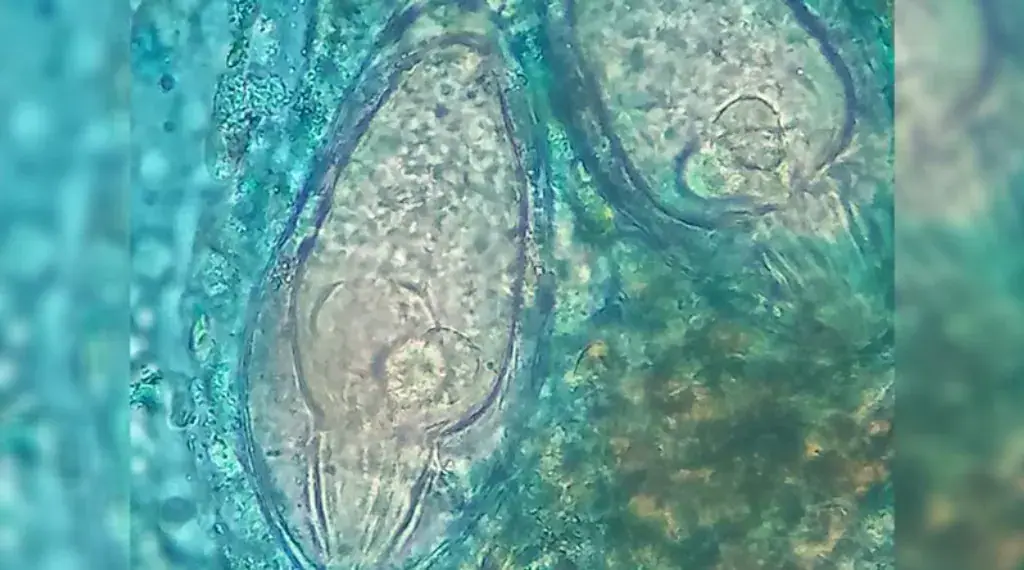
The National Public Health Institute (INSP) of Cabo Verde has reported that more than 50 cases of urinary schistosomiasis have been confirmed in the municipality of São Miguel as of October 11. The cases were confirmed through laboratory tests, and the data is still subject to change. Elisabete Lima, a member of the INSP council, stated that the transmission of the disease depends on the presence of infected individuals who urinate in water, the existence of the host snail of the genus "Bulinus," and contact with that water.
The host snail, which lives in still or slow-moving freshwater, such as tanks, streams, and reservoirs, is present on the island of Santiago. When an infected person urinates in water where the host snail exists, the parasite infects the snail, develops in its body, and is released back into the water, potentially infecting other people through bathing, laundry, or other contact with the water. The disease is not transmitted directly from person to person.
The current rainy season increases the risk of transmission due to the greater availability of water in these areas and the influx of people. The INSP is conducting surveillance activities, including malacological surveys and snail studies, in collaboration with local health authorities, municipalities, and other partners. The results of these studies are available in the malacological bulletin.
The INSP has been coordinating investigations since 2022, publishing national bulletins and articles in international journals in 2024 and 2025. The majority of cases are concentrated in the municipality of São Miguel, although the location of records has varied over time, with new cases appearing in other areas of the municipality. The risk is associated with places where people come into contact with still or slow-moving water, such as tanks and streams, that may harbor host snails.
The INSP warns that there is a possibility of imported cases appearing in other locations, even without active transmission in those areas. To prevent transmission during and after the rainy season, the INSP recommends avoiding contact with water in tanks, streams, and waterfalls identified as being at risk of contamination. The population is also advised not to urinate or defecate in tanks, streams, and other watercourses and to ensure regular cleaning and maintenance of tanks, under the guidance of competent authorities.
In case of symptoms, such as burning during urination or the presence of blood in urine or feces, the recommendation is to seek medical attention. The INSP warns that the end of the rainy season does not necessarily mean the end of the transmission risk. The institution is working to strengthen control measures, including enhancing the response of local health teams.
The situation highlights the need for continued vigilance and community awareness to prevent the spread of urinary schistosomiasis in São Miguel and other areas of Cabo Verde. The INSP and its partners will continue to monitor the situation and implement control measures to mitigate the impact of the disease.
Key points
- Over 50 cases of urinary schistosomiasis have been reported in São Miguel, Cabo Verde, as of October 11.
- The disease is transmitted through contact with contaminated water, where the host snail of the genus "Bulinus" is present.
- The INSP recommends avoiding contact with potentially contaminated water and ensuring regular cleaning and maintenance of tanks to prevent transmission.