On November 4, 2026, Aliko Dangote launched a $2.5 billion fuel-storage and regional pipeline project at Namibia's Walvis Bay. The project aims to strengthen Southern Africa's energy distribution network, connect coastal supply infrastructure with landlocked markets, and expand the commercial reach of African refining. The project was announced at a ceremony attended by Namibian President Netumbo Nandi-Ndaitwah.
The proposed tank farm will have a storage capacity of approximately 600 million liters, equivalent to four million barrels. This includes 360 million liters of diesel, with the remainder allocated to petrol. According to Dangote, the project is expected to be completed within 18 to 20 months. The facility would be eight times larger than Namibia's existing National Oil Storage Facility, which has a capacity of 75 million liters and is operated by the Namibia National Petroleum Corporation (NAMCOR).
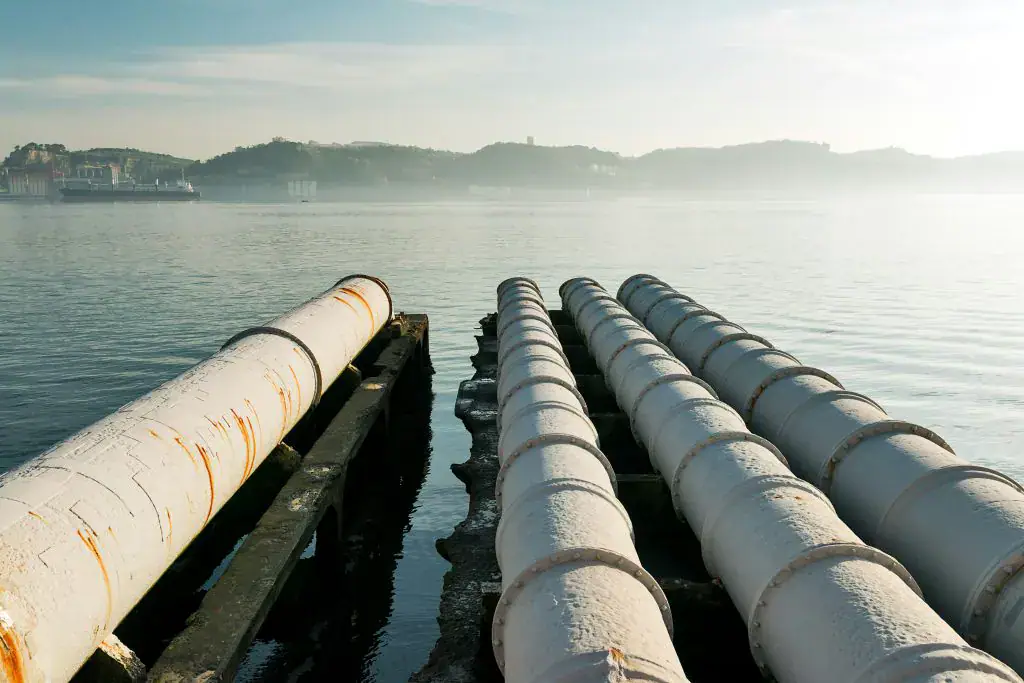
The strategic advantage of the project lies in Walvis Bay's coastal location, which provides access to maritime fuel shipments and established regional transport routes. The project also includes provisions for a proposed 1,700-kilometer regional pipeline connecting Walvis Bay with Botswana, Zimbabwe, and Zambia, with the Democratic Republic of Congo potentially included. If developed, the network could reduce logistical constraints facing landlocked countries that depend on imported petroleum products.
However, the pipeline remains a proposed component, and its final route, financing arrangements, and participating countries will require further clarification. The current announcement represents a substantial change from the project's earlier development specifications. In August 2026, Dangote Industries Namibia initiated an environmental approval process for a proposed 1.6-million-barrel petroleum storage facility on approximately 70 hectares at Farm 58 near Walvis Bay.
Dangote's investment builds on the growing commercial importance of his Nigerian refinery. The 700,000-barrel-per-day facility near Lagos has become an increasingly significant supplier of refined petroleum products to international markets. According to the United States Energy Information Administration (EIA), Nigeria's seaborne petroleum-product shipments averaged 561,000 barrels per day in the second quarter of 2026.
For Namibia, the investment comes at a particularly important moment. Fuel prices increased from November 4, with petrol rising by N$2 per liter and diesel by N$3. The government attributed the adjustment to higher shipping costs, vessel-waiting charges, and exchange-rate pressures. Although the proposed terminal cannot provide immediate relief from these increases, additional storage and distribution capacity could strengthen supply resilience over time.
The existing National Oil Storage Facility already provides an important foundation for national energy security. The proposed Dangote facility would add substantial private-sector infrastructure to an existing public-sector storage system, potentially creating opportunities for greater competition, improved logistics, and more diversified supply arrangements. The project's regional benefits will depend on how effectively local economies participate and how the investment generates benefits beyond fuel storage and transit.
Key points
- The project aims to strengthen Southern Africa's energy distribution network and connect coastal supply infrastructure with landlocked markets.
- The proposed tank farm will have a storage capacity of approximately 600 million liters, equivalent to four million barrels.
- The project's implementation will depend on confirmed financing, environmental approvals, construction contracts, commercial supply agreements, and binding commitments from participating countries.