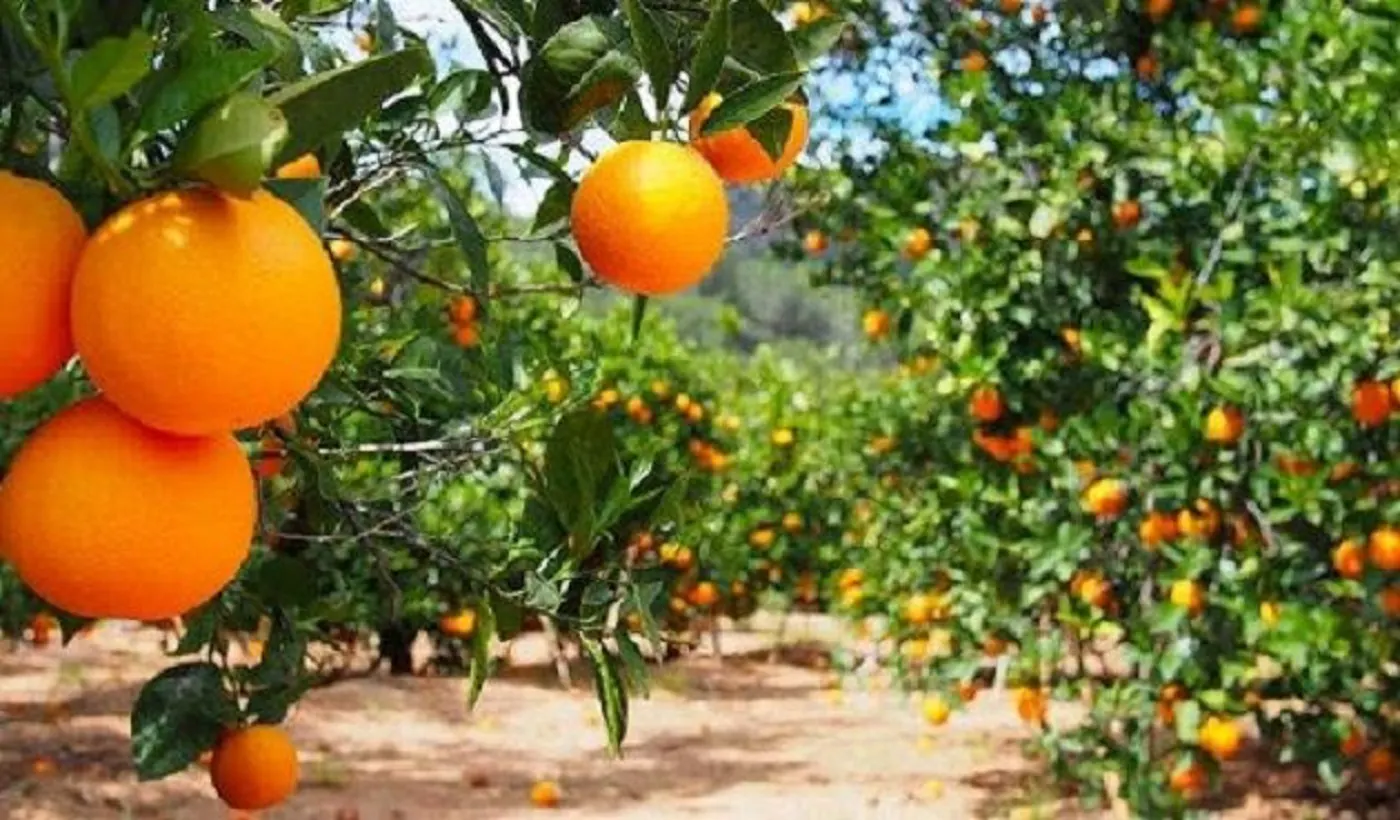
The citrus harvest season has begun in Tunisia's Nabeul region, with an initial estimate suggesting a 10% decrease in production compared to last year. According to Bechir Aounallah, president of the local agriculture and fishing union, the region produced around 270,000 tonnes of citrus fruits last season, accounting for approximately 75% of the country's total production of 350,000 tonnes. This year's lower yield is attributed to several factors, including a lack of irrigation water and frequent power outages.
Aounallah cited the recent heatwave and the clearing of around 5,000 hectares of citrus forests in the Menzel Bouzelfa and Béni Khalled areas as additional factors contributing to the decline in production. Despite the emergence of new production areas in Takelsa and El Haouaria, Béni Khalled remains the top producer, with 53,000 tonnes of citrus fruits. The region's citrus sector provides around 20,000 jobs and plays a significant role in the country's economy.
The current market prices for citrus fruits in Nabeul range from 4 to 10 dinars per kilogram, which Aounallah considers encouraging for farmers, allowing them to cover costs and compensate for losses. The Nabeul region's strategic importance in the citrus sector is expected to continue, despite challenges faced by the industry in recent years.
The decline in citrus production in Nabeul is a concern for the country's agricultural sector, as the region is a major contributor to Tunisia's citrus output. The sector has faced difficulties in recent years, including issues with irrigation and power supply. However, the current market prices may help mitigate some of these challenges.
According to Aounallah, the Nabeul region's citrus sector is working to overcome the challenges it faces, with a focus on maintaining its position as a leading producer. The region's farmers are adapting to the changing conditions, and new production areas are emerging. The sector's long-term prospects remain positive, despite the short-term challenges.
The impact of the lower citrus production in Nabeul may be felt beyond the region, potentially affecting the country's food supply and economy. Tunisia's agricultural sector is an important part of the country's economy, and any disruptions to production can have significant consequences.
As the citrus harvest season continues in Nabeul, farmers and industry stakeholders will be closely monitoring the situation, looking for ways to address the challenges facing the sector. With the right strategies and support, the region's citrus sector is expected to continue playing a vital role in Tunisia's agricultural industry.
Key points
- The Nabeul region's citrus sector is expected to produce around 10% less than last year's total of 270,000 tonnes.
- The decline in production is attributed to factors including a lack of irrigation water, frequent power outages, and the clearing of citrus forests.
- Despite challenges, the Nabeul region remains a leading producer of citrus fruits in Tunisia, accounting for around 75% of the country's total production.