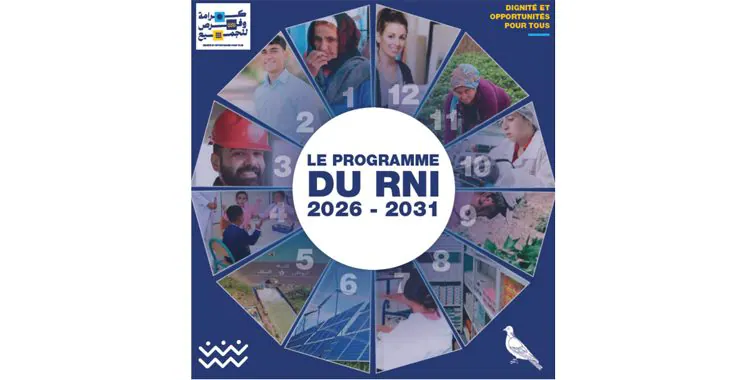
The Rassemblement national des indépendants (RNI) in Morocco has proposed a comprehensive program with 12 measures to consolidate social transformation in the country. The program, which is the result of a participatory process, aims to address various social and economic challenges facing the nation. With a focus on protecting the most vulnerable populations, the RNI's program seeks to build on the progress made during the current government's term. The proposed measures are designed to be realistic and achievable, ensuring a sustainable impact on the lives of Moroccans.
One of the key measures proposed by the RNI is the implementation of a social shield to protect vulnerable households from economic shocks. This involves indexing direct aid to inflation, allowing for automatic adjustments to the amount of aid based on price fluctuations. The RNI also plans to restructure the distribution circuits of food products and strengthen price control and quality monitoring. This measure aims to preserve the purchasing power of beneficiaries and make Morocco a pioneer in social protection.
The RNI is also proposing a savings account for vulnerable households, which will be accessible via mobile phone or local counter. The state will contribute to each deposit, allowing workers in the informal sector and vulnerable households to build a protection and investment capital. This measure is designed to capitalize on international best practices and Morocco's competitive advantages, such as the National Population Register and a dense postal-banking network.
Another key measure proposed by the RNI is the increase of the minimum wage (SMIG) to 5,000 dirhams. This move aims to support purchasing power and will be accompanied by a similar increase in the agricultural minimum wage (SMAG). The RNI also plans to consolidate retirement regimes in consultation with social partners. This measure is expected to reward work, encourage formalization, and strengthen national solidarity.
The RNI is also proposing a education tax credit of up to 5,000 dirhams per year and per child, applicable to school fees from preschool to high school. This measure aims to significantly alleviate the financial burden on middle-class families investing in their children's education. The proposed credit is considered one of the most generous among emerging countries, positioning Morocco as a regional leader in supporting education for middle-class families.
To address the challenges of water security, the RNI proposes a mixed water model combining dams, interconnections, and desalination. The goal is to reduce dependence on climate-related risks and invest in dams to better capture and conserve available resources. The RNI aims to increase the national storage capacity to nearly 26 billion m³ by 2031 and develop interconnections between hydraulic basins to transfer excess water from well-endowed regions to deficit areas.
The RNI's program is built on a participatory process that involved various initiatives of dialogue and consultation with stakeholders. The proposed measures are designed to be complementary and mutually reinforcing, ensuring a comprehensive approach to social transformation. By implementing these measures, the RNI aims to make a positive impact on the lives of Moroccans and contribute to the country's sustainable development.
Key points
- The RNI's program includes a social shield to protect vulnerable households from economic shocks.
- The proposed education tax credit aims to alleviate the financial burden on middle-class families investing in their children's education.
- The RNI's mixed water model combines dams, interconnections, and desalination to address water security challenges.