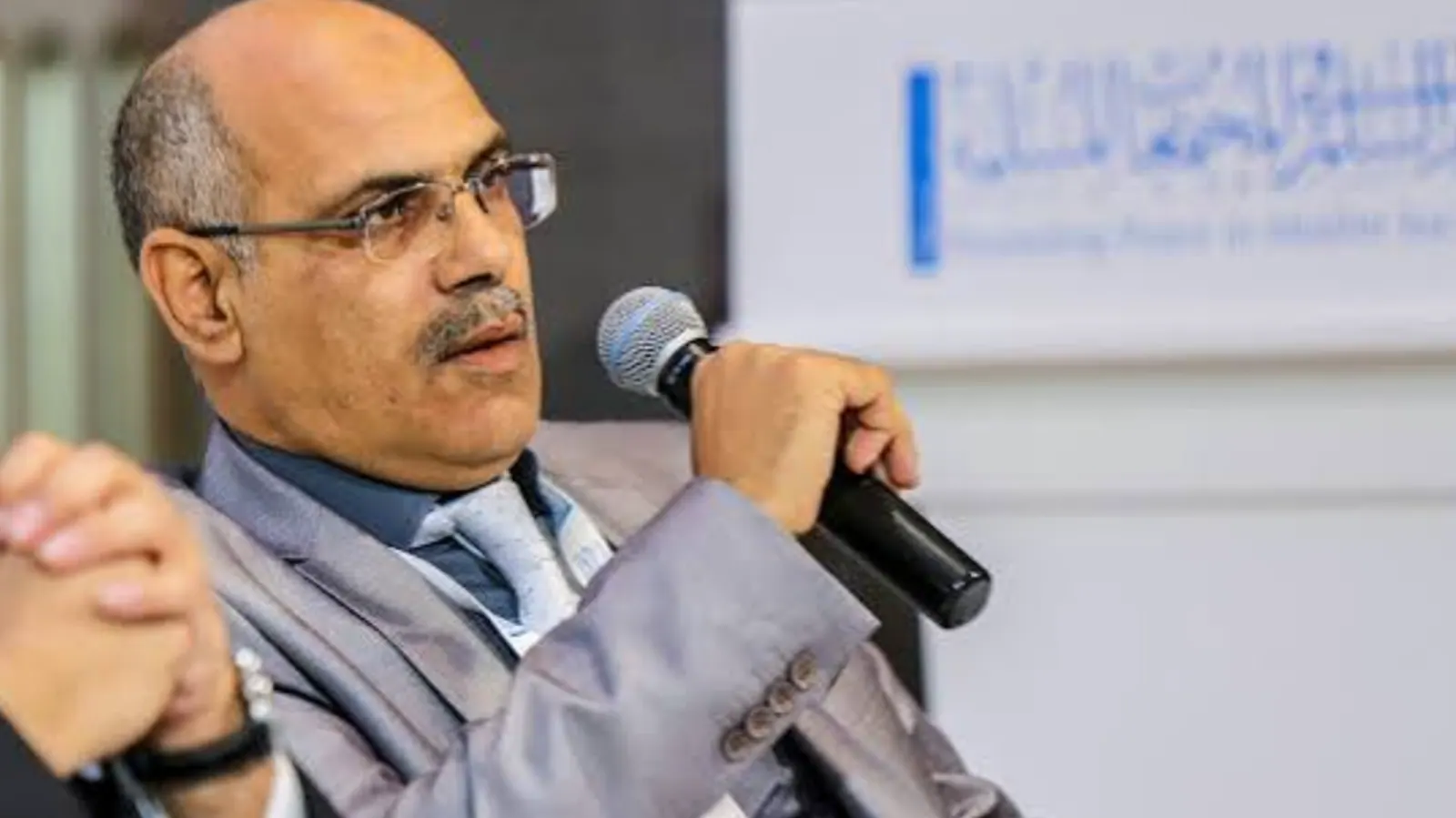
A recent statement by Moroccan Prime Minister Fatima Zahraa Mansouri has sparked controversy, as she claimed that religion is a personal matter. Mansouri stated that she received her religious teachings from her parents and saw no need for external guidance. This assertion has prompted a response from scholar Idris Al-Kanburi, who argues that the discussion goes beyond the realm of personal faith and raises questions about the relationship between religion and public affairs in Morocco.
Al-Kanburi contends that the issue is not solely about individual perception of religion but rather about the intersection of faith and national concerns. He cites examples of unified Friday sermons that address national and political issues, such as the constitution and citizenship. These instances, according to Al-Kanburi, reflect the unique Moroccan approach to managing the relationship between religion and state, which diverges from the strict separation of church and state observed in some Western countries.
The scholar highlights the role of the monarch as Amir al-Mu'minin and the significance of the Supreme Council of Ulemas and official religious institutions in Morocco. These elements, he argues, raise questions about the boundaries between religion and politics in the country's constitutional framework. Al-Kanburi advocates for an understanding of Morocco's specific context when exploring this topic, rather than imposing external models.
Al-Kanburi's response underscores the complexities of Morocco's religious and political landscape. He emphasizes that the country's experience cannot be reduced to simplistic interpretations of secularism or the separation of religion and state. Instead, Morocco's unique blend of faith and politics requires a nuanced approach that takes into account its cultural and historical context.
The debate surrounding Mansouri's comments and Al-Kanburi's response highlights the ongoing discussion about the role of religion in Moroccan society and politics. As the country navigates its democratic path, the intersection of faith and public affairs remains a contentious issue. The discussion is likely to continue, with various stakeholders weighing in on the complex relationship between religion and politics in Morocco.
The Prime Minister's comments have also sparked reactions from various quarters, with some questioning the implications of her stance on the role of religion in public life. The Moroccan government has been working to address various challenges, including economic and social issues, while maintaining the country's unique cultural and religious identity.
As Morocco moves forward, the conversation about the relationship between religion and politics is expected to continue. The country's experience will likely provide valuable insights into the complexities of managing faith and public affairs in a democratic context.
Key points
- Moroccan scholar Idris Al-Kanburi responds to PM Fatima Zahraa Mansouri's comments on religion and politics.
- Al-Kanburi argues that Morocco's experience with faith and politics cannot be reduced to simplistic interpretations of secularism.
- The debate highlights the complexities of Morocco's religious and political landscape.