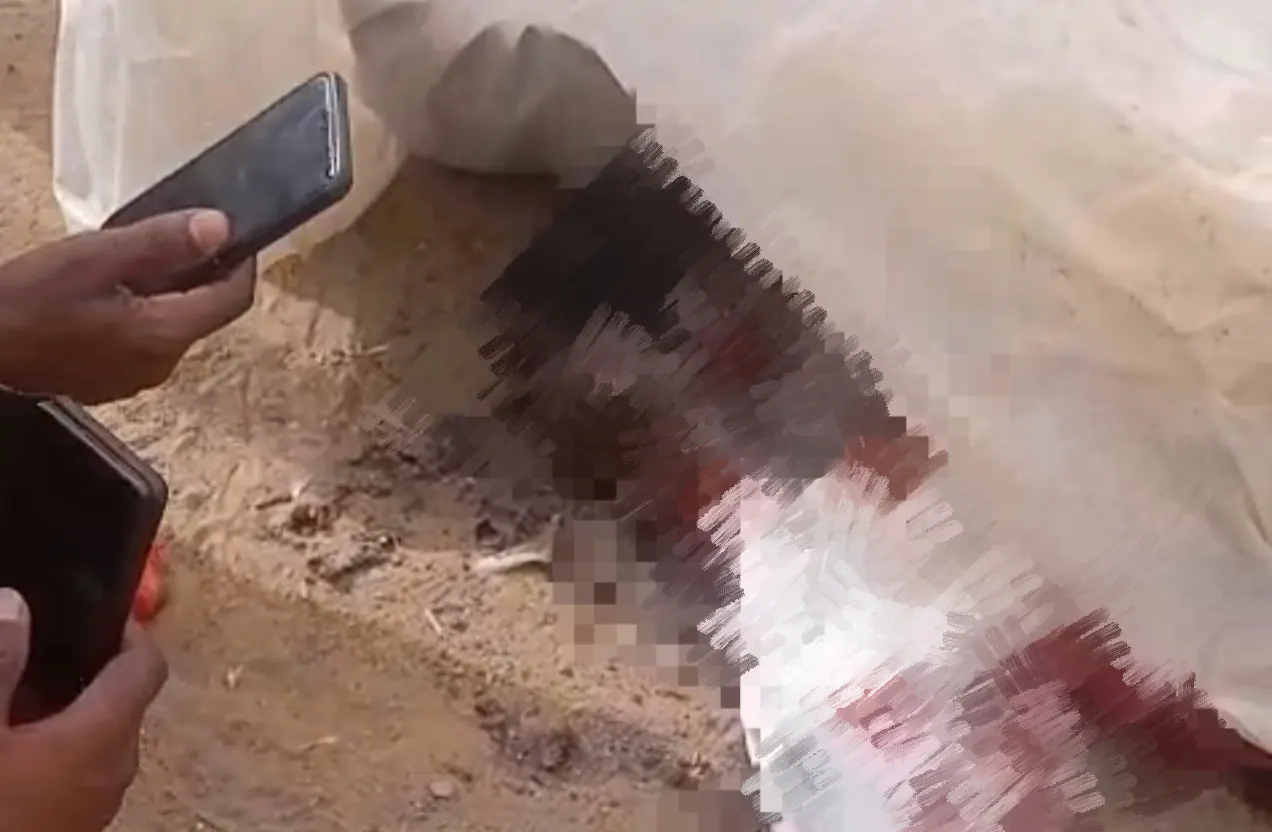
A recent United Nations report highlights a decline in global homicides, but a significant rise in organized crime and cyber threats. The global homicide rate decreased from 5.9 per 100,000 inhabitants in 2015 to 5.2 in 2023, according to the UNICRI. However, this positive trend masks significant regional disparities, with Latin America, the Caribbean, and sub-Saharan Africa accounting for approximately two-thirds of global homicide victims.
The report, titled "Crime and Justice in a Changing World," reveals that criminal networks are becoming more lucrative, diversified, and infiltrated into the legitimate economy. In Latin America, cartels that once focused on drug trafficking are now investing in agriculture, mining, fishing, and wildlife trafficking. This shift in criminal activities is driven by the pursuit of profits in transnational markets, digital victimization, and exploitation of legitimate supply chains.
The report also notes that organized crime groups are operating in multiple illicit markets simultaneously. In Europe, Europol estimates that about one in five criminal networks operates in multiple illicit markets. In Southeast Asia, criminal groups are involved in human trafficking and cyber fraud in special economic zones in Cambodia, Laos, and Myanmar.
The increasing use of digital tools has lowered the barriers to entry into organized crime. With the help of generative artificial intelligence and "cybercrime-as-a-service" models, individuals can now cause significant damage without belonging to a sophisticated criminal organization. A 2025 survey of 42 countries cited in the report found that 57% of adults worldwide had been victims of scams in the past 12 months, and 23% had lost money as a result.
The UN report highlights the need for international cooperation to combat the evolving nature of organized crime. The report's authors emphasize that the fight against organized crime requires a comprehensive approach that addresses the root causes of crime, such as poverty, inequality, and corruption. The report also calls for increased investment in law enforcement and justice systems to effectively tackle the new challenges posed by organized crime.
Chad, like many other countries, is likely to be affected by these global trends. The country's authorities will need to be vigilant in monitoring and responding to the shifting landscape of organized crime. This may involve strengthening law enforcement and justice systems, as well as addressing the social and economic factors that contribute to crime.
The UN report provides a timely reminder of the need for continued international cooperation and investment in efforts to combat organized crime. By working together, countries can share best practices, intelligence, and expertise to stay ahead of the evolving threats posed by organized crime groups.
Key points
- Global homicide rates have decreased, but organized crime and cyber threats are on the rise.
- Organized crime groups are diversifying into multiple illicit markets, including agriculture, mining, and cyber fraud.
- The increasing use of digital tools has made it easier for individuals to engage in organized crime, with 57% of adults worldwide reporting being victims of scams.